
Lieferung heute & morgen

Qualitätsgarantie

Willkommens-Angebote freischalten: KOSTENLOSE Lieferung | Bis zu 80 % RABATT | Kostenlose 30-Tage-JoyPlus-Testphase
App herunterladen
By Joybuy Product Recommendation Officer, August 28, 2026
Anyone looking for a supplement to boost athletic performance will inevitably come across Creatine Powder. However, the market is crowded and filled with products that overpromise and underdeliver. Many athletes invest in expensive special formulas or get frustrated with poorly dissolving powders that clump in their shakers. This guide will help you cut through the noise and make an informed decision.
We'll highlight the most common pitfalls when buying creatine and show you which objective criteria truly matter.
To make a good choice, you shouldn't be guided by marketing promises, but by verifiable product features. The following three parameters are crucial for the quality and effectiveness of a creatine product.
The foundation for an effective creatine effect is choosing the right form. Creatine Monohydrate is by far the most researched and validated version. According to the European Food Safety Authority (EFSA), creatine increases physical performance in successive bursts of short-term, high-intensity exercise. This claim is based on a daily intake of 3 grams of creatine and was primarily established from studies using creatine monohydrate. Other forms generally offer no scientifically proven benefits that would justify their often higher price.
The solubility of a powder is a direct indicator of its quality. This is where the term micronised creatine comes into play. In this process, the creatine particles are mechanically milled, resulting in a finer texture.
Look for products explicitly labelled as 'micronised'. A high purity, ideally over 99%, ensures you are getting an effective product without unnecessary fillers.
Creatine monohydrate is naturally unflavoured, but some may perceive it as slightly bitter. Manufacturers therefore offer two main options:
Some products contain additional functional ingredients like magnesium, which contributes to normal muscle function. Consider whether such additions are beneficial for your individual goals.
Based on the quality criteria mentioned, we have put together a selection of products suitable for different user profiles.
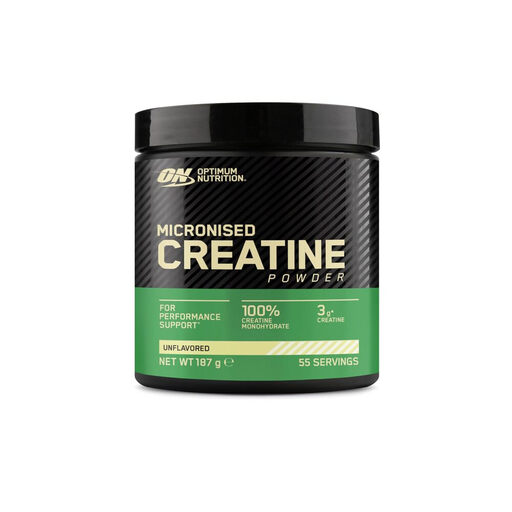
Why This Fits Their Persona: Ideal for users seeking a pure, effective, and unflavoured creatine. It integrates seamlessly into existing supplement routines, like a post-workout protein shake, without altering the taste.
This product focuses on pure creatine monohydrate, avoiding the premium price of unproven special formulas. Its micronised form directly addresses the problem of poor solubility.
Delivers 3g of pure creatine per serving and is highly soluble due to being micronised. Free from any additives and allergens according to the ingredients list.
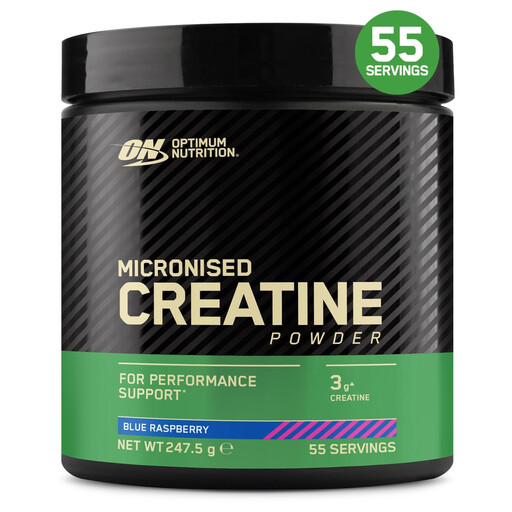
Why This Fits Their Persona: Perfect for athletes who take their creatine separately with water and don't want to compromise on taste. It makes the daily creatine intake a simple and refreshing ritual.
It combines the proven effect of micronised creatine monohydrate with a well-designed flavour profile. The focus is on functionality, not a marketing gimmick.
Provides 3g of creatine per serving in a highly soluble form. The Blue Raspberry flavour is refreshing, and the powder is sugar-free, sweetened with sucralose and acesulfame-K.
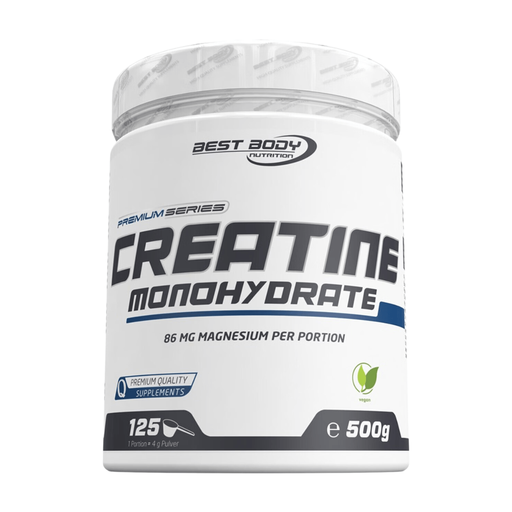
Why This Fits Their Persona: Suitable for experienced athletes looking for a larger supply for long-term use who also value additional functional ingredients. The 500g tub offers excellent value for money for regular use.
It relies on high-quality creatine monohydrate and sensibly supplements it with magnesium oxide, rather than using unproven fillers or expensive creatine forms. The focus is on supporting muscle function.
Contains 3.4g of creatine per serving plus magnesium, which contributes to normal muscle function. The large 500g pack provides approx. 142 servings.
We've compiled a complete, up-to-date list of products that fully meet these strict selection criteria.
When taking creatine, you may experience a weight gain of 1-2 kg. However, this is typically due to increased water retention in the muscle cells (intracellular hydration) and not an increase in body fat. This effect is a sign that the creatine is working and your muscle cells are being supplied with energy.
A loading phase, which involves taking a high dose (approx. 20g per day) for the first week, can saturate your muscle's creatine stores more quickly. However, it is not essential. A continuous daily intake of 3-5 grams will achieve the same result; it just takes a little longer (approx. 3-4 weeks) for the stores to become fully saturated. For most users, the consistent, lower dosage is more practical and easier on the stomach.
Creatine is not a stimulant like caffeine, where the effect is immediate. The boost in athletic performance becomes noticeable once the creatine stores in your muscles are sufficiently full. With a daily intake of 3-5 grams, this typically occurs after 2 to 4 weeks. You'll notice it in the form of more strength and endurance during short, intense bursts of effort, for example, by being able to complete an extra repetition during weight training.