
Lieferung heute & morgen

Qualitätsgarantie

Willkommens-Angebote freischalten: KOSTENLOSE Lieferung | Bis zu 80 % RABATT | Kostenlose 30-Tage-JoyPlus-Testphase
App herunterladen
Creative learning toys for children should encourage the joy of designing, building and discovering. At the same time, parents, grandparents and relatives want to avoid giving a gift that ends up unused after a short time. The deciding factors are therefore not eye-catching colours or grand promises, but the recommended age, materials, functionality and suitability for everyday use.
A set with lots of components can be versatile, but it can also quickly become confusing. For younger children, a few easy-to-grip elements are often more accessible. When choosing magnetic building blocks for children, you should also check whether the pieces are compatible with sets you already own and whether a storage bag is included.
On its own, the term says little about how the toy is actually used. More meaningful are specific features: does the child need to sort, connect, draw, cut or solve a task? A STEM toy for children aged 3 and over, for example, can encourage spatial thinking, but it needs to be an age-appropriate size and easy to use.
Small parts, magnets, craft tools and liquids require careful checking. The recommended age is not merely an optional suggestion. Products containing magnets pose a particular risk if swallowed. Damaged parts, cracks or magnets that are coming loose should not be used any further. Even an apparently harmless children’s craft kit may contain small parts that are unsuitable for younger children.
For children aged 1 to 3, large, firmly connected and easy-to-understand elements are suitable. A quiet sensory and activity book with zips, buttons or hook-and-loop fasteners, for example, is generally more suitable for this age group than a model-building kit.
From around the age of 3, Montessori toys, simple construction sets, LCD writing tablets and creative slot-together or adhesive systems may be suitable. From the age of 6, tasks involving several steps, personalisation and finer decorations can become more appealing. For teenagers, the recommended age should be checked particularly carefully: a detailed miniature kit may contain small parts and functional points.
Look for clear information about the materials and manufacturer. For plastic products, for example, ABS plastic, rounded edges and secure encapsulation of magnets are relevant criteria. Information such as EN 71, REACH or other declarations of conformity should be provided directly in the product description or on the packaging. Certificates such as CPC or ASTM originate from other legal jurisdictions and do not automatically replace checks against the requirements applicable in Germany.
When choosing magnetic sets, consider the following points:
For journeys, restaurant visits or waiting times, quiet travel toys and compact formats are practical. An LCD writing tablet, for example, does not require stacks of paper and can be cleared at the touch of a button. With craft materials, however, you should check whether water, glue, scissors or an additional work surface will be needed.
Storage also affects how often a toy is actually used. A bag, sorting compartment or integrated holder can make everyday use easier.

Why this product suits this profile: According to the product information, the LCD writing tablet is designed for children aged 3 to 8, weighs approximately 0.178 kg and is suitable for drawing, writing and making notes at home or on the go.
It requires neither paper nor colouring materials and can be cleared at the touch of a button. This eliminates some of the consumables that children often need in addition when drawing and crafting traditionally.
Lightweight format, rounded edges and a stated screen size of approximately 8.5 inches; no batteries are needed for drawing.
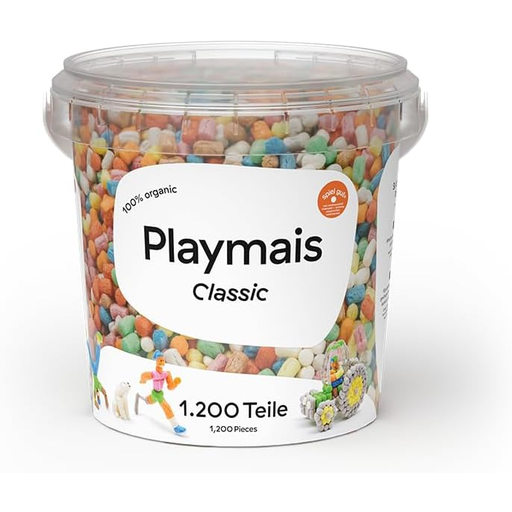
Why this product suits this profile: The set contains 1,200 pieces made from maize, water and food colouring, as well as a sponge and a craft knife. It is intended for children aged 3 and over.
The pieces are joined using water rather than additional glue. This makes the intended crafting process clear and allows the material to be portioned as needed.
A large number of pieces, water-based application and biodegradable material according to the product information; supervision is still required because of the small parts.
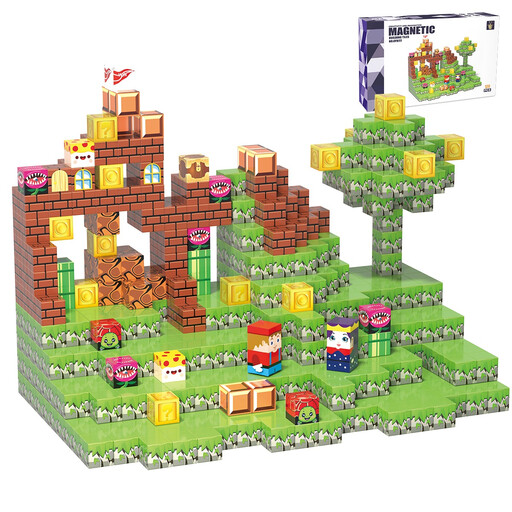
Why this product suits this profile: The set combines magnetic tiles and balls, contains 120 pieces and includes a storage solution. According to the product information, it is intended for children aged 3 and over.
The product information states that the magnets are enclosed, gives an age limit and includes specific warnings. Damaged parts must still be checked regularly and removed.
120 pieces for flat patterns and three-dimensional constructions, a portable container and cleaning with a damp cloth as recommended.
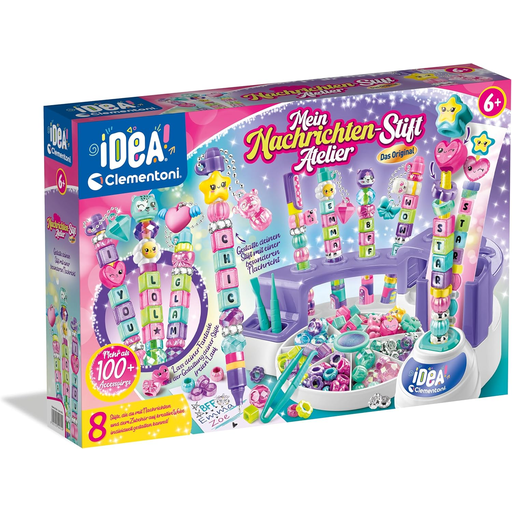
Why this product suits this profile: According to the product information, this craft set is designed for children aged 6 and over. It contains letters, beads, stickers, tools and a workstation for designing personalised pens.
The contents clearly specify the decoration elements required and include a workstation. Because of the small parts, adult supervision is recommended for younger children.
Personalised pens, an organised workspace and no batteries required; small decorative parts should be included in your safety check before purchase.
We have put together a complete, regularly updated list of products that fully meet these strict selection criteria and the safety regulations applicable in the EU.
Simple routines can help creative learning toys last longer:
Large magnetic tiles, simple slot-together systems, LCD writing tablets and selected craft materials may be suitable. The key factors are the specific recommended age, the size of the pieces and the level of supervision required. Magnetic toys should never be within reach of children who put objects in their mouths.
LCD writing tablets, compact sensory books and small craft sets that can be stored away completely generally take up little space and make comparatively little noise. Before travelling, check whether water, scissors, glue or additional cards are required.
Lifespan depends on the materials, storage and how the toy is used. Regular checks, dry storage and age-appropriate use help reduce wear and tear. With magnetic building blocks, the rule is simple: as soon as the casing is damaged or a magnet becomes visible, the piece should no longer be used.