
Lieferung heute & morgen

Qualitätsgarantie

Willkommens-Angebote freischalten: KOSTENLOSE Lieferung | Bis zu 80 % RABATT | Kostenlose 30-Tage-JoyPlus-Testphase
App herunterladen
Creative sets for children should keep them occupied, spark their imagination and offer plenty of use over time. In practice, though, a large number of items in the box doesn’t automatically make a set the right choice. Before buying, parents, grandparents and childcare providers should check the recommended age, materials, how the set is used and how it can be stored.
Many craft sets are promoted by highlighting how many pieces they contain. But they may include lots of small accessories that are only enough for a single project. So it’s not just the number of items that matters, but how useful they are in practice:
A colouring set with a few useful materials may be more practical day to day than a large DIY craft set full of specialist pieces.
‘Age 3+’ doesn’t mean a child should use every product without supervision. Small decorations, beads, removable caps or pointed pens may mean an adult needs to supervise. For craft activities for children aged 3 and over, simple, large-format materials are usually more suitable. A craft set for children aged 6 and over may include more complex steps and smaller accessories, provided the safety instructions are followed.
According to product information, washable ink can often be removed from skin and many fabrics. However, this doesn’t guarantee that it will come out of every surface or item of clothing. Children’s art materials should therefore be used on suitable paper and at a protected workstation. Pastel crayons, wax crayons and glitter may also leave residue or stains.
The age recommendation on the packaging is an important factor when choosing a product. Follow the relevant warning if it contains small parts. Many creative materials aren’t suitable for children under three because they contain parts that could be swallowed. Supervision is also advisable for older children if the set includes tools, decorations or electrical components.
If the online description and product packaging give conflicting information, follow the packaging. This applies, for example, to sets described as suitable from age three when some of the individual components appear to be intended for an older age group.
A good children’s art set should clearly state which items are included. Check the following:
A coloured pencil set with pre-sharpened pencils is an easy option for beginners. If the pencils will be used often, check that they’re sturdy enough for their intended use and that a suitable sharpener is available.
Compact sets with their own box are handy for travelling, waiting times or use in childcare settings. Creative projects involving glue, paint or pastels, on the other hand, need a wipe-clean table and more time to prepare. A 3D pen for children also needs power, filament and adult supervision. Practicality matters more than an eye-catching list of features.
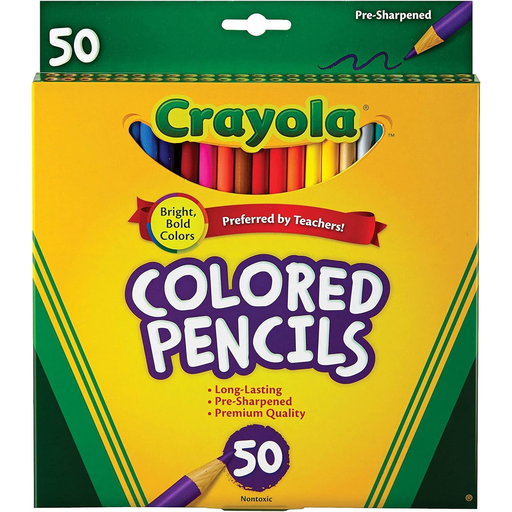
Why it suits this profile: This 50-piece set is designed for drawing, colouring and schoolwork. The pencils come pre-sharpened, so they’re ready to use straight away.
Most of the contents are coloured pencils that can be used straight away, rather than lots of one-off craft pieces. Check the age recommendation and warnings before buying.
50 colours, pre-sharpened pencils and an HB core, according to the product description. Suitable for paper, colouring books and creative projects.
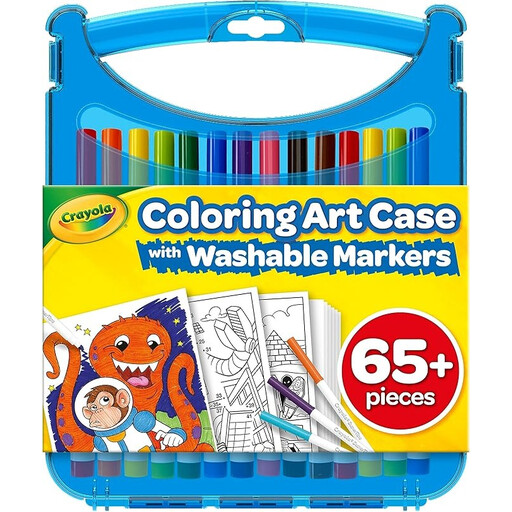
Why it suits this profile: This set combines markers with drawing paper and a carry case. It’s a good fit for children who want to draw at home, at school or on the go.
The paper sheets included mean you’ll need fewer extra materials. The box helps keep the caps and pens tidy.
According to the product description, the set contains 25 SuperTips markers, 20 colouring sheets and 20 blank sheets. The ink is described as washable.
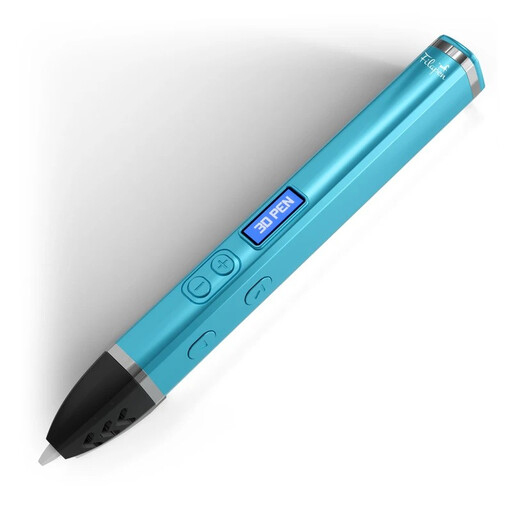
Why it suits this profile: According to the product information, this 3D pen is for children aged eight and over, as well as teenagers and adults. It’s suited to creating 3D drawings and supervised creative projects.
The recommended age group is clearly stated. The pen should still be used under supervision, and you’ll need to factor in the instructions, power supply and filament.
PCL filament, OLED display, USB-C connection, 25 metres of filament and templates, according to the product description.
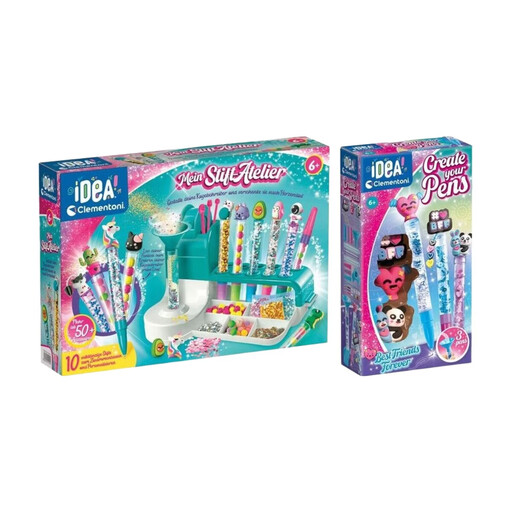
Why it suits this profile: Children aged six and over can design and decorate their own pens. It’s a fun project for supervised afternoons and a creative gift idea for children.
The practical workstation keeps the tools and accessories together. As the set contains small parts, adult supervision is required, especially for younger children.
Workstation, tools and decorations for personalising pens. No batteries needed; the product description says it can be cleaned with a damp cloth.
We’ve put together a complete, regularly updated list of products that meet these strict selection criteria and the safety regulations in force in the EU.
A few simple habits can help keep children’s creative sets complete after more than a handful of uses:
Simple, manageable painting sets for children with large, easy-to-hold materials and a clear age recommendation are generally suitable. Avoid small parts, pointed pens and complex tools, or only offer them under supervision. Always follow the manufacturer’s specific guidance on the packaging and in the instructions.
No. According to product descriptions, ink labelled as washable can be removed from skin and many fabrics. However, the result depends on the material, how long the ink has been left and the washing temperature. It’s best to protect clothing and furniture.
With coloured pencils and felt-tip pens, the only ongoing costs are usually replacement pens, paper or a sharpener. DIY sets may also need refill materials. A 3D pen requires filament and electricity too. Before buying, check whether refills are available and how much material is included.