
Lieferung heute & morgen

Qualitätsgarantie

Willkommens-Angebote freischalten: KOSTENLOSE Lieferung | Bis zu 80 % RABATT | Kostenlose 30-Tage-JoyPlus-Testphase
App herunterladen
The selection of creative toys is vast, but not every set lives up to the promise of its colourful packaging. Well-intentioned purchases often lead to frustration for children and unnecessary expenses for parents, grandparents, and relatives. Before you decide on a product intended as a gift for creative kids or as an engaging activity, it's helpful to know the most common pitfalls.
Three typical problems when choosing creative toys are:
A conscious look at a few core features helps to avoid these problems and find the right toy for crafting.
A good craft kit for kids should contain all the necessary materials to start immediately. Pay close attention to the contents list on the packaging. Phrases like "Complete Set" or "All-in-One" are often a good indicator. Check whether basic tools like scissors, needles, or brushes are already part of the package or if they need to be purchased separately. A complete creative kit for kids prevents frustration and allows for an uninterrupted, creative experience right from the start.
The quality of the materials is crucial for success and safety during crafting.
Consider what kind of creative activity you want to encourage.
Here are some recommendations tailored to different interests and play styles.
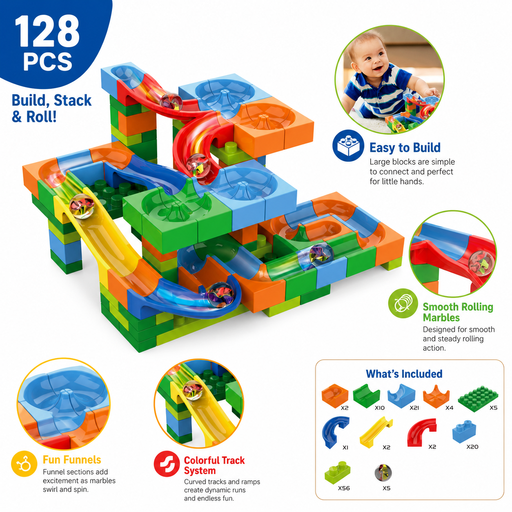
Why it's a great fit: Ideal for children who love to build, tinker, and discover cause-and-effect principles. As a STEM toy, it playfully promotes an understanding of physics and logic.
This set avoids the pitfall of low replay value. Thanks to the modular components, the marble run can be rebuilt in countless new and different ways, ensuring long-lasting fun.
Promotes creative building and logical thinking through an open-ended play concept. The 128 pieces provide a solid foundation for complex tracks.
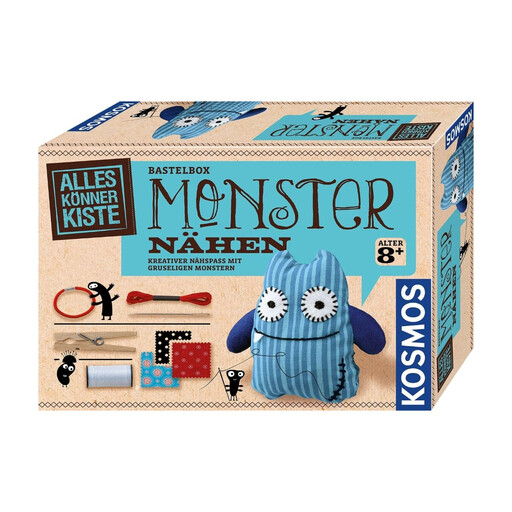
Why it's a great fit: Perfect for children aged 8 and up who enjoy creating and want to see a tangible result of their work. It introduces basic sewing techniques and promotes fine motor skills and patience.
This "all-in-one" set from Kosmos avoids the pitfall of incomplete kits. It includes all the necessary materials like fabric, thread, and stuffing, so sewing can begin immediately.
The detailed, illustrated step-by-step instructions are easy for beginners to understand and ensure a successful outcome. The finished monsters are great for playing with or giving as gifts.
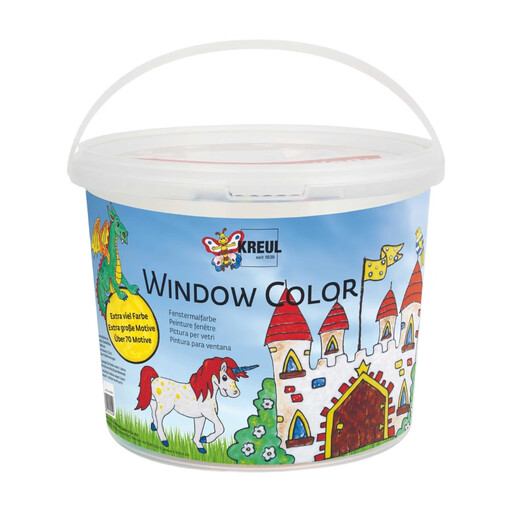
Why it's a great fit: A great choice for kids who love to paint and decorate. The homemade window clings can be applied to any smooth surface like windows, mirrors, or tiles.
This set avoids the pitfall of poor-quality materials. The water-based paints from Kreul, a well-known German manufacturer of artist's colours, are vibrant and easy to work with.
After drying, the finished pictures are peelable without residue and reusable. In addition to 7 colours, the set includes a special film and over 70 design templates for an easy start.
We've compiled a complete, up-to-date list of products that meet these strict selection criteria and safety regulations.
Always look for the CE marking, which indicates that the product complies with EU safety standards. Check the manufacturer's age recommendation to ensure the toy is appropriate for the child's developmental stage. For younger children, it is especially important to be aware of small parts that could be swallowed. Warning labels on the packaging, such as "Not suitable for children under 36 months," should be strictly followed.
Construction toys are a valuable tool for promoting various skills. Building and assembling parts trains fine motor skills and hand-eye coordination. Planning and executing building projects strengthens spatial reasoning and problem-solving skills. When children discover physical principles like balance or gravity through a STEM toy, their logical-abstract thinking is also enhanced.
This largely depends on the individual child's developmental stage and the type of craft kit. Simple sets with large pieces, such as fuse beads or modelling clay, are often suitable for children as young as 3. More complex sets that require the use of scissors, needles, or small beads are generally intended for primary school-aged children (6-8 years and up). Use the manufacturer's age recommendation as a guide, but also consider your child's individual abilities and interests.