
Lieferung heute & morgen

Qualitätsgarantie

Willkommens-Angebote freischalten: KOSTENLOSE Lieferung | Bis zu 80 % RABATT | Kostenlose 30-Tage-JoyPlus-Testphase
App herunterladen
Finding the right creative toy for your child can be a challenge. The market is vast, and manufacturers' promises are often grandiose. But not every product that looks great at first glance proves to be practical or safe in everyday use. As a Joybuy Product Recommendation Officer, I'm here to help you navigate the common pitfalls and make an informed decision that brings joy to children and meets parents' standards.
Before we dive into the selection criteria, it's important to understand the most common issues that lead to disappointment and unnecessary expenses.
To avoid a bad purchase, focus your attention on three objective features. These will help you assess a product's quality and suitability, independent of marketing claims.
Your child's safety is the top priority. Always look for the CE mark, which indicates the manufacturer's declaration that the product meets applicable EU standards. For plastic products like a kids' LCD writing tablet, a BPA-free label is a key quality indicator. In general, children's products should be declared "non-toxic" or "tested for harmful substances." This is especially crucial for an educational toy for ages 3+.
A creative activity for kids should make daily life easier, not harder. Check the product description for terms like "washable markers" or "washes from most textiles." For on-the-go fun, portability is key. A good toy for car rides is compact, lightweight, and ideally comes without many small parts that can get lost. A complete craft kit in a sturdy case or a slim drawing tablet are excellent examples.
A gift for children aged 3-8 must cater to varying motor skills. For three-year-olds, thick, ergonomically shaped pens and durable materials are ideal. Older children, from age six, will enjoy sets with finer tips and more complex instructions. Always check the manufacturer's recommended age range and consider whether the product will be frustration-free for your child to use.
Based on the criteria above, we have identified some products that are well-suited for specific profiles.

Why This Fits Their Persona: Ideal for long car rides, flights, or waiting at a restaurant. It's lightweight, requires no loose paper, and the stylus is attached directly to the device, so nothing gets lost.
Completely solves the problem of stains from non-washable inks and lost small parts. It's a clean, self-contained unit.
Reusable and mess-free; erases with the touch of a button. According to the manufacturer, the ABS plastic housing is durable and free of BPA and lead.
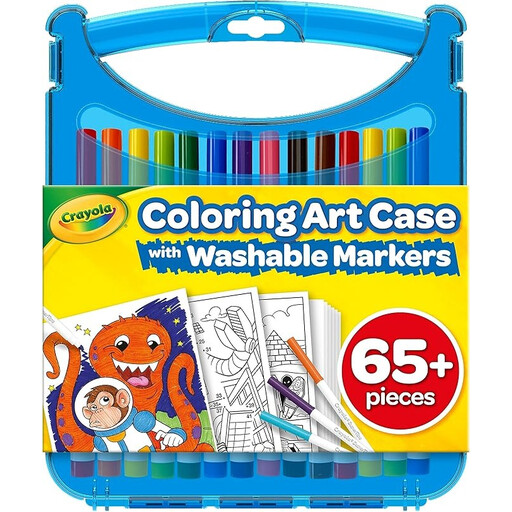
Why This Fits Their Persona: A comprehensive set for kids who appreciate a wide selection of colours and materials at home. The case keeps everything organised and also makes the set portable.
Addresses the short-lifespan trap. Crayola is an established brand, and the sturdy case protects the materials. The ink is declared as washable.
A 65-piece set including markers and paper in a convenient carrying case. According to the manufacturer, the ink is easy to remove from skin and most fabrics.
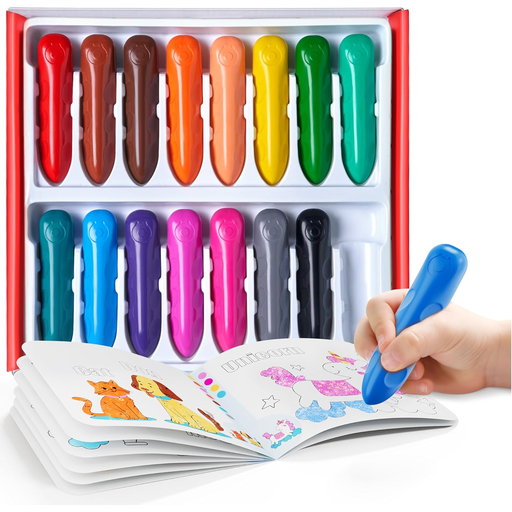
Why This Fits Their Persona: Specifically designed for the motor skills of toddlers. The thick, triangular shape fits well in small hands and prevents the crayons from rolling off the table.
Sidesteps the trap of poor usability. Thin, standard crayons break easily and are frustrating for toddlers. These are described as break-resistant.
Ergonomic triangular shape for a secure grip. The formula is listed by the manufacturer as non-toxic and washable, combining safety with easy cleanup.
We have compiled a complete, up-to-date list of products that fully meet these strict selection criteria and European safety regulations.
The drawing surface is cleared electronically with the press of a button. To remove fingerprints or light smudges from the casing, a dry, soft microfibre cloth is sufficient. Avoid using water, harsh cleaning agents, or abrasive cloths, as these could damage the screen.
Always adhere to the manufacturer's age recommendation on the packaging. Due to the choking hazard, sets with small parts like beads, sequins, or tiny mosaic tiles are generally not suitable for children under 36 months. For children between the ages of 4 and 6, adult supervision is recommended.
Look for explicit labels like "washable" or "washes out." Reputable manufacturers often specify which surfaces (e.g., skin, most textiles) the colour can be removed from and with what (e.g., with soap and water). A quick online search for user reviews can also provide practical insights.