
Lieferung heute & morgen

Qualitätsgarantie

Willkommens-Angebote freischalten: KOSTENLOSE Lieferung | Bis zu 80 % RABATT | Kostenlose 30-Tage-JoyPlus-Testphase
App herunterladen
By the Joybuy Product Recommendation Officer | June 07, 2026
Choosing a camera for content creation depends on specific technical requirements that directly impact production quality and workflow. Parameters like video resolution, autofocus performance, sensor size, and portability are critical factors that must be weighed differently depending on the application—be it vlogging, streaming, or studio recording. This guide analyses the key technical criteria and presents a selection of cameras for various content creator profiles.
The decision for a camera model should be based on an objective analysis of its technical specifications. The following parameters are of particular relevance for content production.
4K resolution (3840 x 2160 pixels) has established itself as the standard for high-quality video production. It not only offers high detail density but also provides flexibility in post-production, such as the ability to crop or zoom into the frame without losing quality. The available frame rates (frames per second, fps) are also important. While 24 or 30 fps are standard for typical recordings, 60 fps or 120 fps enable smooth slow-motion footage.
For content creators who often film themselves (vlogging, tutorials), a reliable autofocus (AF) system is essential. Modern cameras offer features like continuous autofocus (AF-C) with face and eye detection for this purpose. A fast and precise system ensures that the subject remains sharp at all times, even when in motion.
Shaky footage can significantly degrade the quality of a video. Integrated image stabilisation is therefore a key feature. A distinction is made between optical image stabilisation (OIS), where the sensor or a lens element is movably mounted, and electronic image stabilisation (EIS), which digitally corrects the image. For handheld shooting, effective stabilisation is a major advantage.
The size of the image sensor has a significant impact on image quality, especially in low-light conditions. Larger sensors (e.g., APS-C or full-frame) can capture more light, resulting in lower-noise images and better performance at high ISO sensitivities. They also allow for a shallower depth of field to make subjects stand out from the background.
For professional content, audio quality is just as important as image quality. While built-in microphones may suffice for simple recordings, a 3.5mm microphone input for connecting external microphones is a crucial feature. This allows the use of shotgun or lavalier microphones for clear, interference-free audio recording.
A camera for content creators should be practical to handle. A lightweight and compact design is advantageous for a travel camera or vlogging camera. A fully articulating screen is essential for self-recording, as it allows you to monitor your framing.
Based on the technical criteria mentioned, we have compiled a selection of devices suitable for the different requirement profiles of content creators.

Why We Recommend It The Sony Alpha 6100 is a compact system camera that combines high image quality with versatile features. Its APS-C sensor and fast autofocus system make it a powerful tool for both photo and video. Compatibility with the wide range of Sony E-mount lenses also offers long-term flexibility and upgrade potential.
Pros
Who It's For This model is aimed at beginners in photography and videography, vloggers, and content creators looking for a lightweight yet powerful beginner camera that also suits intermediate users. It's an excellent choice for those seeking a balance of portability, image quality, and future expandability.
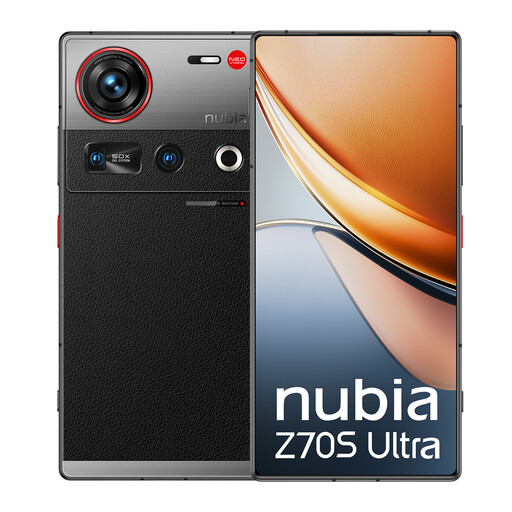
Why We Recommend It The nubia Z70S Ultra 5G represents the convergence of a mobile phone and a specialised camera. With its 35mm focal length main lens and a high-resolution 64MP sensor, it offers a perspective that is unconventional for a smartphone, yet classic for photography. The combination of powerful hardware and AI-driven image processing makes it an all-in-one solution for mobile content creation.
Pros
Who It's For This smartphone is ideal for mobile-first creators, travel bloggers, and anyone seeking an extremely portable and discreet solution for high-quality content. It's perfect for users who want to handle the entire workflow—from capture and editing to publishing—on a single device.
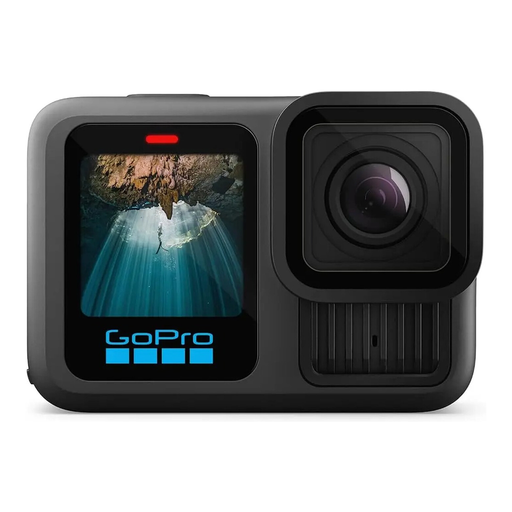
Why We Recommend It The GoPro HERO13 Black is designed for use in demanding conditions. Its durability, waterproofing without an extra housing, and advanced HyperSmooth 6.0 image stabilisation make it the top choice for action and outdoor shooting. The ability to use HB-series lenses significantly expands its creative versatility.
Pros
Who It's For The HERO13 Black is the ideal streaming camera for outdoor activities and an excellent travel camera for adventurers. It is perfect for athletes, travel vloggers, and any content creator who needs an extremely compact, durable, and versatile camera for dynamic scenes.
If these models don't meet your specific needs, our Camera with Lens category offers a wider selection of system cameras and associated lenses for further research.
For YouTube beginners, a camera with user-friendly operation, reliable autofocus, and an articulating screen is highly recommended. Models like the Sony Alpha 6100 offer a great starting point, as they deliver high image quality and can grow with your skills thanks to interchangeable lenses. Alternatively, a high-end smartphone like the nubia Z70S Ultra can be a great all-in-one solution.
A 4K camera is not strictly necessary, as most platforms also support Full HD (1080p). However, 4K footage offers significant advantages: it's future-proof and allows for greater flexibility in post-production. You can crop your shots or stabilise the video without a visible loss in quality.
For a vlogging camera, four factors are particularly important: reliable autofocus with face and eye detection, effective image stabilisation for shooting on the move, a front-facing flip-out screen for self-monitoring, and an input for an external microphone to improve audio quality. Portability and good battery life are also beneficial.