Who’s watching in the shared house?

A shared house with different seating positions

If you all watch together from the sofa and seats to the side, consider screen size alongside the view from the outermost seats. CHIP’s buying guide uses 55- and 65-inch TVs as common sizes for comparison; Philips describes how the picture looks from different viewing angles on its Ambilight model.

A shared house that streams cricket

If you’re buying a TV mainly for specific live matches, first check how they’re available to watch in Germany. The ICC notes that live match availability varies by region and competition.

A shared house with a bright living room

For daytime matches, consider the actual light sources and seating positions in your room. Samsung advertises “Glare Free” on the GQ65QN90FATXZG model, but you should still check how distracting reflections are on the specific TV in your own living room.

What should you look for when buying?

OLED TVs

A good fit if: People in your shared house often sit in different places and the picture needs to look good from the side. Check the specific model and choose a size that suits your room.

Consider: Individual product specifications don’t prove that a TV will be better for every sports broadcast. The lighting conditions and specific model matter too.

Mini LED LCD TVs

A good fit if: Daylight or visible light sources might affect the screen and you want to compare specific models with features designed to address this.

Consider: Features such as “Glare Free” or a high refresh rate are no substitute for checking the view from side seats or watching sports footage on the TV.

More affordable LED or QLED TVs

A good fit if: You want to weigh up a shared purchase carefully and choose a specific model based on its size, viewing angles and reception options.

Consider: A 4K or QLED label alone doesn’t tell you how the picture looks from the side or when watching your chosen stream.

What matters when buying What to check Who is this most important to?
Screen size and seating Check the viewing distance, available space and view from the outermost seats on the specific model. If we’re watching together from the sofa and seats to the side, everyone should be able to follow the match clearly. That’s why around 29% of consumers prioritise a good view from different seats and the right screen size.
Live match access Check how the match you want to watch is available in Germany, then make sure the app, streaming device and connections are compatible. If you’re buying a TV for a particular live match, you’ll want to know in advance how you can actually watch it. Around 22% of consumers prioritise access to the match they want to see.
Daylight and reflections Consider where the windows are and when you usually watch; check reflections on the model from the seats you’ll use. If we’re watching during the day, the picture should remain clear in our living room’s lighting conditions. Around 21% of consumers prioritise daylight and reflections.
Motion handling Watch sports footage using the source you plan to use, and distinguish between native and variable refresh rates. If you want to follow the ball and camera pans as clearly as possible, check how motion looks with the actual playback setup. Around 14% of consumers put motion handling first.
Shared running costs Compare energy labels using the same unit, and consider the cost of the required broadcast separately. If we’re planning the purchase and ongoing use together, we’ll want to consider both running costs and how we’ll watch. Around 14% of consumers prioritise the total costs shared by the household.

Common misconceptions

  • A smart TV guarantees access to every cricket match

    Whether a particular match is available in Germany depends on the competition and how it’s being broadcast. Having an app doesn’t necessarily mean it will show the match you want to watch.

    First check how that specific match is being broadcast, then make sure you can access it through the TV app or a suitable streaming device.

  • A high refresh rate guarantees smooth-looking sport

    The panel’s native refresh rate is just one feature of the TV. The incoming signal and image processing also affect how motion looks.

    Check the native and variable refresh rates separately, and, if possible, assess motion using comparable sports footage.

  • Screen size or a straight-on view is enough to compare TVs

    A large screen won’t necessarily suit the furniture or viewing distances in your shared house. And the picture viewed straight on doesn’t show you how it looks from seats to the side.

    Measure the available space and viewing distance, and check the specific model from the outermost seats too.

Brands to consider

LG

The OLED55C56LB is a 55-inch OLED option to consider when comparing TVs for a shared house.

  • LG lists a native refresh rate of 120 Hz for this model.
  • The stated VRR support of up to 144 Hz doesn’t prove that a cricket stream will have the same refresh rate, or that every LG TV is suitable.

Samsung

The GQ65QN90FATXZG is a 65-inch Mini LED option worth comparing for a bright living room.

  • Samsung advertises “Glare Free” on this specific model.
  • The manufacturer’s claim is no substitute for an independent comparison of reflections or viewing angles.

TCL

The 55Q6C is a 55-inch QD Mini LED option for comparing features and picture quality when watching together.

  • TCL lists an HVA panel, ONKYO 2.1 audio and a native refresh rate of 144 Hz for the 55Q6C.
  • These specifications don’t support a general claim about side viewing or sports performance across other models and sizes.

Sony

The K-55XR5 is a 55-inch Mini LED option with several connection options.

  • Sony lists a refresh rate of 120 Hz and four HDMI inputs.
  • No specific viewing-angle figure is given, so check the picture on the TV from the side seats in your shared house.

Philips

The 55OLED810/12 combines a 55-inch OLED screen with Ambilight, if your shared house is specifically interested in this lighting feature.

  • Philips describes Ambilight as lighting that responds to the picture.
  • The manufacturer’s claims about Ambilight and changing viewing angles are no substitute for checking the screen itself or how you’ll watch cricket.

Joybuy products

This selection includes OLED, LED and Mini LED TVs in 55, 65, 75 and 85 inches. Compare screen size and the space available in your room; refresh rate and anti-reflective screen specifications alone can’t guarantee a particular picture for sport.
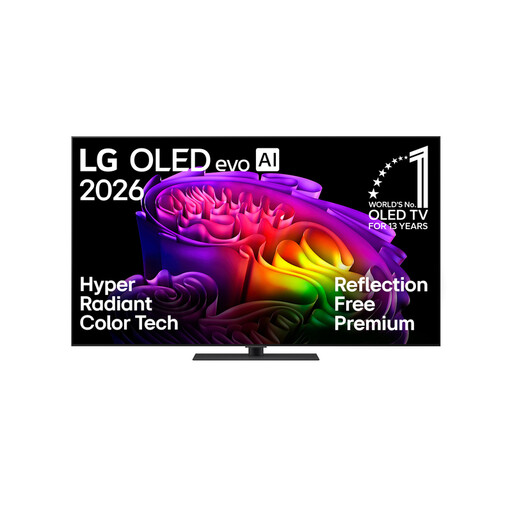
LG OLED65G66LS OLED evo AI G6, 65 inches

LG OLED65G66LS OLED evo AI G6, 65 inches

For a shared house comparing a 65-inch OLED option with an anti-reflective screen.

The product specifications list a 65-inch OLED screen, 4K resolution and an anti-reflective screen.

Four HDMI inputs are listed for connecting external devices.

View on Joybuy
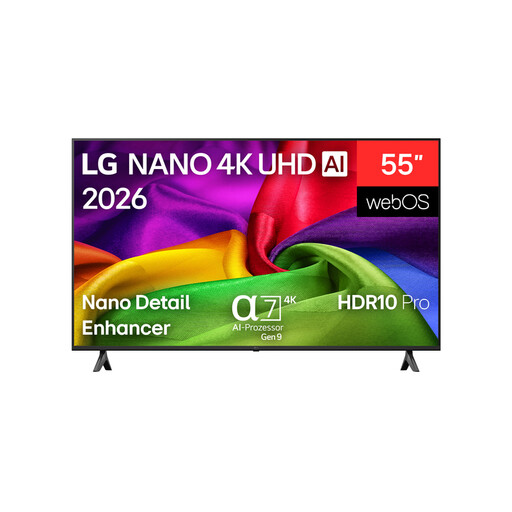
LG 55NU800B6LA, 55-inch 4K NANO UHD AI TV

LG 55NU800B6LA, 55-inch 4K NANO UHD AI TV

For a shared house comparing a 55-inch option with webOS and external connection options.

The product specifications list a 55-inch screen, 4K resolution and a refresh rate of 60 Hz.

webOS and three HDMI inputs are listed; the refresh rate alone doesn’t tell you how a cricket stream will look.

View on Joybuy
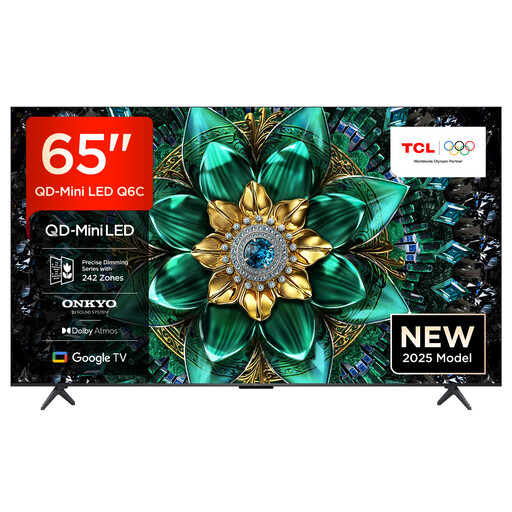
TCL 65Q6C QLED Mini LED TV, 65 inches

TCL 65Q6C QLED Mini LED TV, 65 inches

For a shared house comparing a 65-inch Mini LED TV with external connection options.

The product specifications list 4K resolution, Mini LED, 144 Hz and four HDMI 2.1 inputs.

The stated dimensions with the stand are 145 × 89 cm; check that your TV unit has enough space.

View on Joybuy
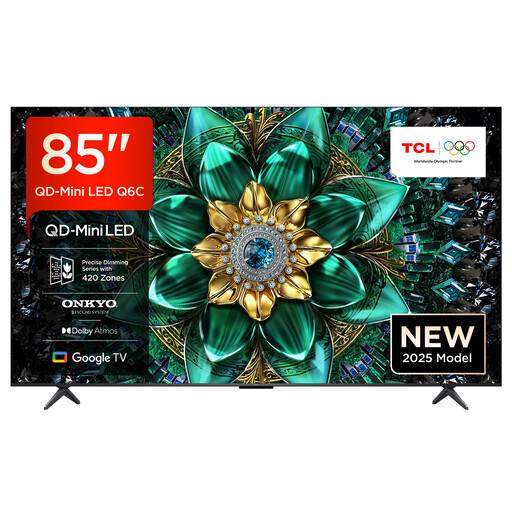
TCL 85Q6C QLED Mini LED TV, 85 inches

TCL 85Q6C QLED Mini LED TV, 85 inches

For a shared house considering a particularly large screen and with enough space for it.

The product specifications list an 85-inch screen, 4K resolution, Mini LED, 144 Hz and four HDMI 2.1 inputs.

The stated dimensions with the stand are 189 × 115,5 cm; check that it will fit your furniture and room.

View on Joybuy
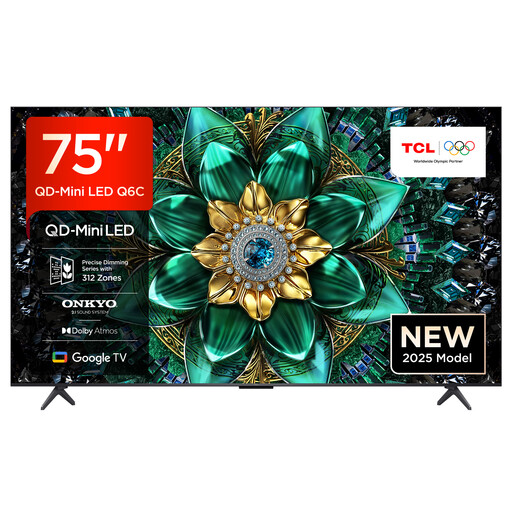
TCL 75Q6C QLED Mini LED TV, 75 inches

TCL 75Q6C QLED Mini LED TV, 75 inches

For a shared house comparing a larger Mini LED option between the screen sizes listed.

The product specifications list a 75-inch screen, 4K resolution, Mini LED, 144 Hz and four HDMI 2.1 inputs.

The stated dimensions with the stand are 166,7 × 102,5 cm; consider the space available before choosing.

View on Joybuy

Frequently asked questions

Is a high refresh rate enough to make the cricket ball look sharp?

No. The panel’s native refresh rate is just one feature of the TV; the incoming signal and image processing also affect how motion looks. For the OLED55C56LB, LG distinguishes between a native refresh rate of 120 Hz and VRR support of up to 144 Hz.

How do we set up the TV for a specific live match?

First check with the rights holder or organiser how that specific match is available to watch in Germany. Then make sure you can access it through the TV app or an external device, and check the available connections. The regional ICC.tv fixture list doesn’t guarantee access to every match.

How do we compare the energy use of two TVs?

Compare the energy labels for the specific models on a like-for-like basis: the stated energy use for electronic displays is given in kWh per 1,000 hours of use. To work out your household’s electricity costs, you’ll also need to factor in how long the TV is used and your electricity tariff.

Does everyone in a shared house have to pay the broadcasting contribution because of the TV?

In principle, Germany charges a broadcasting contribution per home, regardless of the number of residents or whether it has a receiving device. The Beitragsservice provides separate information about possible exceptions and exemptions.

Are a manufacturer’s guarantee and the statutory warranty the same thing?

No. The statutory warranty covers claims against the seller for faulty goods; a guarantee is an additional voluntary service with its own terms and conditions. The Verbraucherzentrale explains that for purchases made from 31 July 2026, the warranty period may be extended if, under the stated conditions, you choose a repair rather than a replacement during the first two years.