What should you look for when buying?
First decide whether the crispbread will be a regular addition to a lunchbox or whether you’re choosing it for a special filled meal. Then compare only the features that matter for how you plan to use it.
| What to consider |
What to check |
Who it matters to |
| Wholegrains and fibre |
Compare wholegrain ingredients and the type of grain in the ingredients list, as well as fibre per 100 g. |
If crispbread is a regular base for packed lunches, I want to choose the grain ingredients carefully. Around 31% of consumers put this need first. |
| Taste and texture |
Consider the seeds and seasoning, and whether it’s best suited to be topped or served as a thin cracker. |
For a special meal, the variety should suit the planned toppings or snack platter. Around 31% of consumers place the greatest importance on this choice. |
| Lunchboxes and storage |
Check the slice size, packaging and storage instructions, and consider how it will cope with moist toppings. |
If lunch is eaten away from home, I want crispbread that’s easy to pack and can be topped just before eating. Around 23% of consumers put ease of use first. |
| Allergens |
Read the ingredients list, highlighted allergens and any ‘may contain’ warnings on the current pack. |
If a particular ingredient is important for my household, the specific variety needs to meet our requirements. This comes first for around 15% of consumers. |
Crispbread selection at Joybuy
This selection includes rye crispbread for topped packed lunches, as well as varieties with seeds or seasoning for a different flavour. Check that the ingredients, nutritional information and format of each pack suit the way you plan to use it.
 No image available
Wasa Whole Grain Rye crispbread 260 g
A rye variety for anyone looking for crispbread as a base for a filled packed lunch.
Pack size: 260 g. Check the slice size for your lunchbox, and the current pack labelling if you have allergies.
View at Joybuy
 No image available
Wasa Sesame & Flaxseed crispbread 210 g
A variety for a packed lunch where seeds are part of the flavour you’re looking for.
Pack size: 210 g. If sesame is a concern for your household, check the ingredients and allergen information on the actual pack before buying.
View at Joybuy
 No image available
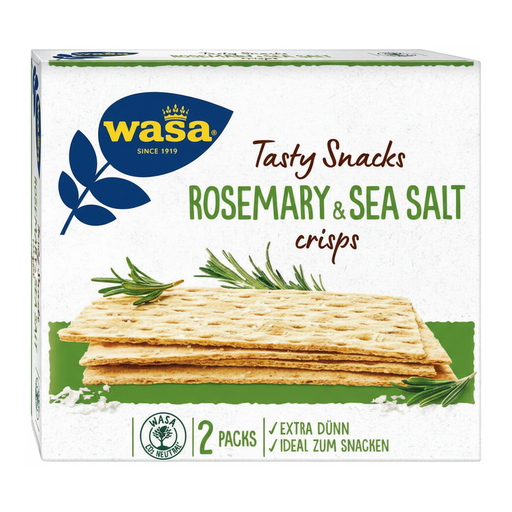
Wasa Round Crispbread Rosemary & Sea Salt 190 g
Round crispbread for a meal where rosemary and sea salt suit the flavours you have in mind.
Pack size: 190 g. If you eat it regularly, compare the salt per 100 g and check that the round shape fits in your lunchbox.
View at Joybuy
 No image available
Wasa Delicate Crisp Oats & Sesame crispbread 230 g
An oat and sesame variety for anyone who wants to choose these ingredients for a filled meal.
Pack size: 230 g. If you have relevant allergies, check the current ingredients list and any ‘may contain’ warnings.
View at Joybuy
 No image available
Wasa Sourdough Rye crispbread 235 g
A rye and sourdough variety for anyone who prefers this flavour in topped crispbread.
Pack size: 235 g. If you have allergies, check the ingredients and allergen information on the actual pack.
View at Joybuy
Frequently asked questions
How can I tell if crispbread is wholegrain?
Check the product name and ingredients list, not just the colour. For grain products, the German Nutrition Society recommends looking specifically for the word ‘wholegrain’. The listed ingredients and nutritional information per 100 g can also help you compare different crispbreads.
Why should I check the allergens on every pack?
The labelling on the specific pack is what matters when you’re choosing a product, as recipes can vary and may change. If you have relevant allergies, check the highlighted ingredients and any ‘may contain’ warnings.
What does ‘May contain traces of …’ mean?
This voluntary warning flags the possibility of unintended traces of an allergen; it doesn’t mean the allergen is definitely present. The German Food Association explains the distinction in its information on allergen labelling. If you have a medically significant allergy, follow the guidance agreed for your individual needs.
How can I keep crispbread crunchy for the school lunch break?
Store it somewhere dry and reseal the pack well after opening. For a packed lunch, you can pack moist toppings separately or top the crispbread just before eating.
Is crispbread enough for breakfast at school?
Crispbread can provide the grain base for breakfast at school, but remember to include toppings and a drink as part of the meal. The German Federal Centre for Nutrition highlights the importance of breakfast and snacks on school days.


