What should you look for when buying?
First, decide whether convenience on the go, a wholegrain base or checking ingredients is your priority for breakfast. Then compare the slice format and the information on the pack.
| Criteria |
What to check |
Who it matters to |
| Taking it with you and storing it |
Individually wrapped portions or a resealable pack; slice size and storage instructions to keep it dry. |
If I have breakfast on the go, I want a pack that’s easy to handle and slices that are easy to pack away. This is a priority for around 42% of consumers. |
| Wholegrain and fibre |
Wholegrain content, plus fibre per 100 g and in the portion you eat. |
For my breakfast base, I want to compare ingredients and nutritional values rather than choosing by variety name alone. Around 33% of consumers give this priority. |
| Ingredients and allergens |
Ingredients list, highlighted allergens and any precautionary ‘may contain’ information on the current pack. |
If I need to avoid an ingredient, the labelling for the specific variety takes priority over the format or fibre content. This is the most important buying criterion for around 25% of consumers. |
Crispbread for breakfast and on the go
This Joybuy selection includes a crispbread sandwich for a breakfast that needs no extra toppings, as well as crispbreads you can compare as a base for toppings. For each variety, check the slice format and pack information to make sure it suits how you plan to use it.
 No image available
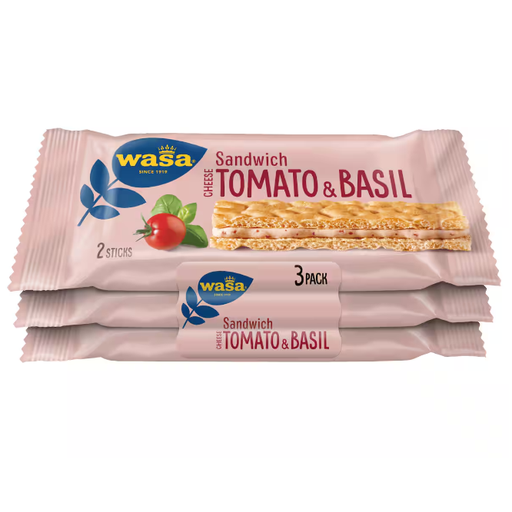
Wasa Crispbread Sandwich Tomato & Basil, 3 × 40 g
This sandwich variety is an option for breakfast without any extra toppings. The pack contains 3 × 40 g; check the slice format and allergens on the pack.
View at Joybuy
 No image available
Wasa Delicate Crisp Oats & Sesame crispbread, 230 g
If you’re looking for a crispbread base with oats and sesame, you could compare this 230 g variety. Before buying, check the allergen information and make sure the slice size suits you.
View at Joybuy
 No image available
Wasa Whole Grain Rye crispbread, 260 g
This 260 g variety could be a good base for a breakfast featuring wholegrain rye crispbread. Compare the slice size and nutritional information on the pack with your usual portion.
View at Joybuy
 No image available
Alnatura Organic Sesame Crispbread, 250 g
If you’d like sesame crispbread as a base for breakfast, you could consider this 250 g pack. If you have a sesame allergy, it’s especially important to check the ingredients and allergen information.
View at Joybuy
 No image available
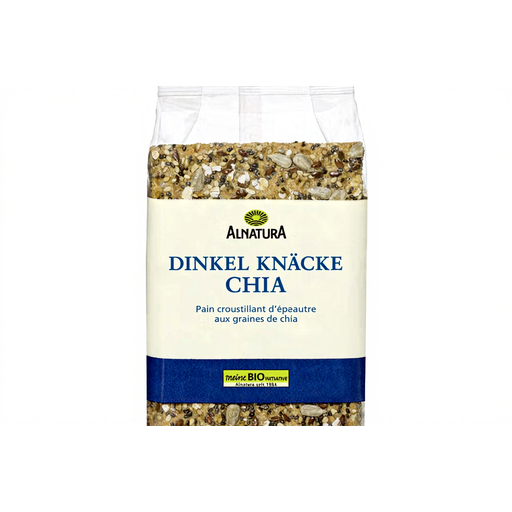
Alnatura Organic Spelt Crispbread with Chia Seeds, 200 g
If you’re looking for spelt crispbread with chia seeds for breakfast, this is the 200 g variety. For nutritional comparisons, check the information on the pack, and read the ingredients list if you have any intolerances.
View at Joybuy
Frequently asked questions
How can I tell if crispbread is suitable for breakfast on the go?
First, check whether the pack format and slice size will fit in your bag or container. Individually wrapped portions, as with Wasa Original Crisp, or a resealable pack, like the GUT&GÜNSTIG product featured here, can be handy. The term “medium sliced” on its own doesn’t define a reliable slice format.
Should I choose the variety with the highest fibre content?
Not on that basis alone: figures per 100 g only become meaningful for your breakfast when you consider the portion you eat. Compare the ingredients and allergens too. For example, REWE lists 30 g of fibre per 100 g for Burger Ballaststoff, but also lists wheat, oats and sesame ingredients.
How should I store an opened pack of crispbread?
Follow the storage instructions on the pack and keep the crispbread dry. The German Food Federation explains that a best-before date is not an automatic expiry date; after it has passed, the condition of the product matters too.
What should I check on the pack if I have an allergy?
Read the ingredients list, highlighted allergens and any precautionary ‘may contain’ information for the specific crispbread variety. According to the German Food Federation, a ‘may contain’ statement doesn’t mean the allergen mentioned must be present, but it also doesn’t rule out the possibility of accidental cross-contamination.


