
Lieferung heute & morgen

Qualitätsgarantie

Willkommens-Angebote freischalten: KOSTENLOSE Lieferung | Bis zu 80 % RABATT | Kostenlose 30-Tage-JoyPlus-Testphase
App herunterladen
By Joybuy Product Recommendation Officer, 28 August 2026
Crispbread is considered a convenient and often healthy alternative to conventional bread. However, the selection is vast, and not every product that looks healthy delivers on its promise. Many consumers are drawn to varieties that win them over with clever marketing, but upon closer inspection, contain high levels of sugar or refined flour. This guide will help you avoid the common pitfalls and make an informed choice.
Before you decide on a product, you should be aware of two common marketing tactics that often lead to an unsuitable choice.
To find the right crispbread for your needs, focus on these three objective characteristics.
The foundation of any crispbread is the grain. The choice of variety directly impacts the taste, texture, and nutritional value.
Always check the percentage of whole-grain flour in the ingredients list. A high value is a clear sign of quality.
A good bread alternative is made with just a few high-quality ingredients. Ideally, a traditional crispbread consists only of whole-grain flour, water, salt, and possibly yeast or sourdough. Varieties like crispbread with sesame or other seeds can further enhance the nutritional value. Be sceptical of long lists with unfamiliar terms, flavourings, or emulsifiers.
Two values in the nutrition table are particularly revealing:
Here are some recommendations tailored to different needs and preferences.
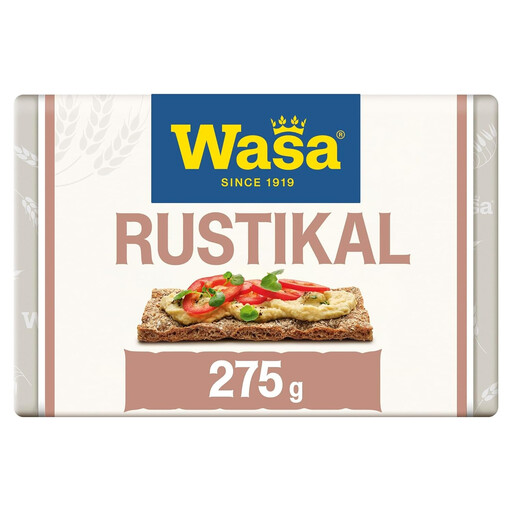
Why This Fits Their Persona: Ideal for anyone seeking an authentic, robust crispbread with no frills. It serves as a sturdy base for savoury toppings and delivers maximum fibre.
This product consistently avoids the "whole-grain" fallacy. According to the manufacturer, it is made from 100% whole-grain rye flour. The ingredients list is minimal and free from added sugars.
Very high fibre content of 20 g per 100 g. The ingredients are reduced to the essentials: whole-grain rye flour, rye bran, salt, and yeast.
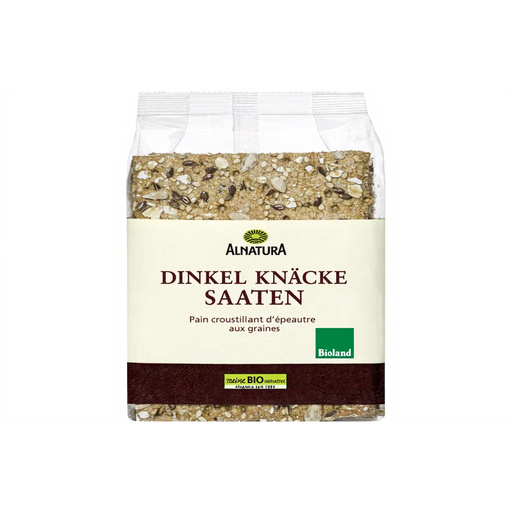
Why This Fits Their Persona: Perfect for health-conscious consumers who value organic ingredients, a vegan recipe, and the added nutritional benefits of seeds.
This organic crispbread avoids unnecessary additives. According to the manufacturer, the ingredients are sourced from organic farming (Bioland certified), and the recipe is vegan and low in sugar.
A high proportion of whole-grain spelt flour (62%) and a seed mix (17%) of linseed, sesame, and sunflower seeds provide a high protein and fibre content.

Why This Fits Their Persona: A safe and flavourful choice for people with coeliac disease or gluten sensitivity who are looking for a crispy, versatile base for sweet and savoury toppings.
This product is explicitly designed and certified as a gluten-free crispbread. It avoids the risk of cross-contamination and uses naturally gluten-free flours like rice and corn flour.
Guaranteed gluten- and wheat-free. It is also lactose-free and made without preservatives, palm oil, or yeast, making it suitable for many dietary needs.
We have compiled a complete, real-time list of products that fully satisfy these strict selection criteria and UK safety regulations.
The most important rule is to avoid moisture. After opening, keep the crispbread in its original packaging and seal it tightly, for example with a clip. An airtight container or bread bin in a cool, dry place is also an excellent solution for maintaining its crispiness.
That largely depends on the product you're comparing it to. A whole-grain rye crispbread with high fibre content and no added sugar is generally more nutritious than white bread. Compared to a high-quality sourdough whole-grain bread, the differences are smaller. Crispbread has the advantage of a very long shelf life and being lower in calories per slice, which makes portion control easier.
The pairing possibilities are endless. Here are a few suggestions: