Which options suit different needs

Those looking for wholegrains and fibre

If you’re after a plain, savoury crispbread, check the first ingredient and the fibre content per 100 g. Wasa lists wholemeal rye flour, yeast and salt in its wholegrain rye crispbread, as well as 20 g of fibre per 100 g.

Organic shoppers who prefer seeded varieties

If you want a hearty option to serve with toppings, compare the ingredients, nutritional values and allergens as well as the organic label. Sesame, for example, may be an ingredient in seeded crispbread.

Those with gluten or allergen requirements

If you need to avoid certain ingredients, check the ingredients and allergen information on the specific pack. If you need to follow a gluten-free diet, choose crispbread that is explicitly labelled ‘gluten-free’.

What to look for when buying

When shopping with organic products in mind, first check which allergen or gluten labelling you need, then compare the recipe, organic details and nutritional values. ‘Digestive’ is no substitute for this.

CriteriaWhat to checkWho it matters most to
Wholegrains and fibre Compare the first ingredient, wholegrain content and fibre per 100 g. If you’re looking for a simple wholegrain base, you’ll want to be able to check the recipe and fibre content easily; around 50% of consumers put this need first.
Organic and seeds Check for an organic label and an organic inspection body; for seeded varieties, compare fat, energy and salt per 100 g. For an organic shop with a preference for hearty crispbread, the label and seeded recipe should both fit the bill. Around 30% of consumers put this need first.
Gluten and allergens Read the ingredients and allergen information on the pack; if needed, choose a product explicitly labelled ‘gluten-free’. If you need to avoid gluten or particular allergens, the right labelling takes priority over taste and recipe; around 20% of consumers put this check first.

Common comparison mistakes

  • Taking ‘digestive’ as a promise of health benefits

    The term alone tells you nothing reliable about any special effect of the crispbread. According to the Verbraucherzentrale, there is no evidence that added ‘prebiotic’ fibre has a special effect on gut flora.

    When choosing, check the fibre content, ingredients and how well you tolerate the product. If symptoms persist, don’t treat product claims as medical advice.

  • Assuming seeded crispbread is automatically the lighter option

    Seeds change the recipe and therefore the nutritional values too. REWE lists 19.5 g of fat per 100 g for its Bio Naturland wholegrain seeded crispbread.

    Compare seeded crispbread with plain rye crispbread on the same per-100 g basis, and take the ingredients into account too.

  • Confusing organic with gluten-free

    An organic label doesn’t tell you whether a crispbread contains gluten or sesame. The organic rye and wheat varieties described here are not suitable choices for a gluten-free diet simply because they’re organic.

    If you need to follow a gluten-free diet, look for an explicit ‘gluten-free’ label; if you have allergies, check the information on each pack individually.

  • Assuming a retailer’s product details apply to every pack

    Recipes and nutritional values can vary between varieties or suppliers. ALDI SÜD specifically notes that its organic three-seed crispbread may differ depending on the supplier.

    In store, check the current ingredients list, nutritional information, allergen labelling and best-before date on the specific pack.

Brands to help you choose

Wasa

A useful reference point for classic wholemeal rye crispbread.

  • Wasa lists wholemeal rye flour, yeast and salt in its wholegrain product, as well as 20 g of fibre per 100 g.
  • The rye product contains gluten. If you specifically want to buy organic, check the label on the pack you choose.

Ryvita

Original Crackerbread is a wheat-based crackerbread, not the same as classic rye crispbread.

  • Ryvita lists ingredients including wheat flour, rapeseed oil and skimmed milk powder in Original Crackerbread.
  • Wheat and milk are relevant when checking for allergens. If you’re shopping for organic products, check the label on the specific variety on offer.

REWE Bio

Its Naturland wholegrain seeded crispbread combines wholemeal wheat with seeds.

  • REWE lists sunflower seeds, sesame and linseed, as well as 11.4 g of fibre per 100 g.
  • For this variety, REWE lists 19.5 g of fat and 1.1 g of salt per 100 g; check the allergen information on the pack too.

EDEKA Bio

Its wholemeal rye crispbread is an organic option with a short ingredients list.

  • EDEKA lists 94% wholemeal rye flour, water and sea salt.
  • Rye contains gluten; EDEKA also notes that traces of sesame may be present. The information on the pack you buy is what matters.

Lidl

Lidl has an organic range, but the specific product is what matters when choosing crispbread.

  • You can compare the varieties on offer by checking the labels on the packs.
  • A general organic range doesn’t tell you the ingredients or nutritional values of a particular crispbread.

ALDI

ALDI SÜD includes three-seed crispbread among its organic products.

  • For the three-seed variety described, ALDI SÜD lists 12 g of fibre per 100 g.
  • ALDI SÜD also lists 17 g of fat and 1.3 g of salt per 100 g, and notes that nutritional values may vary by supplier.

Crispbread at Joybuy

This selection includes seeded crispbread and wholemeal rye varieties. If you’re specifically shopping for organic or gluten-free products, check the label on each pack.

Alnatura Organic Sesame Crispbread 250 g

Alnatura Organic Sesame Crispbread 250 g

A sesame variety for shoppers looking for organic products. Before buying, check the organic label and allergen information on the pack.

View at Joybuy
Wasa Delicate Crisp Oats & Sesame Crispbread 230 g

Wasa Delicate Crisp Oats & Sesame Crispbread 230 g

A choice for shoppers looking for an oat and sesame variety. If organic products or allergen requirements are a priority, check the label on the pack.

View at Joybuy
Wasa Whole Grain Rye Crispbread 260 g

Wasa Whole Grain Rye Crispbread 260 g

A wholemeal rye option for shoppers who prefer plain crispbread. Rye contains gluten; if organic products are a priority, check the label on the pack.
View at Joybuy
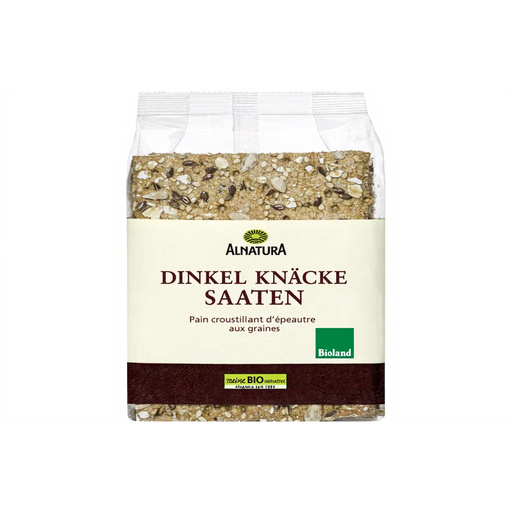
Alnatura Organic Spelt Crispbread with Seeds 200 g

Alnatura Organic Spelt Crispbread with Seeds 200 g

A choice for organic shoppers who want seeds too. If you have allergen requirements, carefully check the ingredients and information on the specific pack.
View at Joybuy
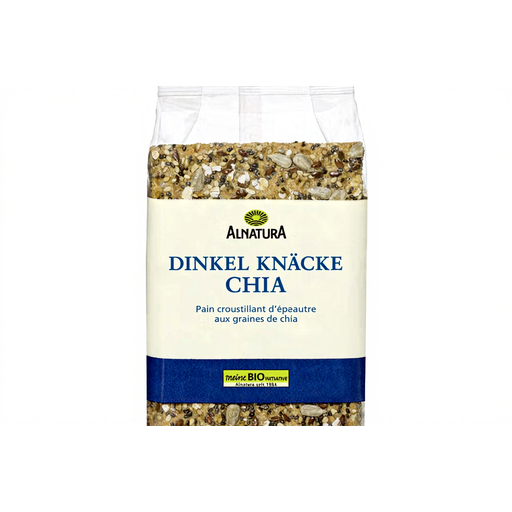
Alnatura Organic Spelt Crispbread with Chia Seeds 200 g

Alnatura Organic Spelt Crispbread with Chia Seeds 200 g

A spelt variety with chia seeds for shoppers who prefer seeded crispbread. Check the ingredients and allergen labelling on the pack before buying.

View at Joybuy

Frequently asked questions

Is ‘digestive’ a reliable claim about the effects of crispbread?

No. The term alone doesn’t tell you that a crispbread has any special effects. Ingredients, fibre content and how well you tolerate it are more useful things to consider when buying. According to the Verbraucherzentrale, there is no evidence that added ‘prebiotic’ fibre has a special effect on gut flora.

How can I identify organic crispbread?

For prepacked organic food from the EU, the EU organic logo and the name of the responsible organic inspection body are important labels, as explained by the Verbraucherzentrale. Check both on the pack of the variety you choose.

Is ordinary rye or wheat crispbread suitable if I need to follow a gluten-free diet?

No. Ordinary rye or wheat crispbread isn’t suitable; look for an explicit gluten-free label. According to the Verbraucherzentrale, foods labelled this way may contain no more than 20 mg of gluten per kg.

How do I compare plain rye crispbread with seeded crispbread?

Compare the ingredients, fibre, fat, salt and energy per 100 g, as well as the allergen information. Values apply to the specific variety: REWE, for example, lists 19.5 g of fat per 100 g for its Bio Naturland wholegrain seeded crispbread; Wasa lists 2.0 g of fat per 100 g for its wholegrain rye product.