What should you look for when buying?
First, decide whether a clearly stated flour blend or a wholegrain recipe is your priority. Then check the nutritional information and whether the product is suitable for everyone sharing the table by looking at the specific pack.
| Criteria |
What to check |
Who it matters most to |
| Flour blend |
Check the ingredients list for wholemeal and white flour listed separately, and compare the amounts. REWE lists Wasa Sesame & Wholegrain as containing 49 % wholemeal wheat flour and 39 % wheat flour. |
If guests have different preferences, I want to offer a stated blend without mistaking it for a wholegrain-only product; around 42 % of consumers are likely to make this compromise their main consideration. |
| Wholegrain and fibre |
Compare wholegrain ingredients and fibre per 100 g for the specific product. Wasa states that its wholegrain rye crispbread contains 20 g of fibre per 100 g. |
If your main priority for the coffee table is comparing wholegrain ingredients and fibre, you’ll need to accept a different recipe from the flour blend; around 33 % of consumers are likely to put both first. |
| Ingredients and allergens |
Read the highlighted allergens and may-contain warnings on the pack; if needed, compare the salt content per 100 g too. |
If anyone at the table has a known allergy, I want to check the specific product before serving it; around 25 % of consumers are likely to prioritise checking ingredients and allergens. |
Crispbread and similar options at Joybuy
Here, you’ll find savoury seasoned crispbread, a wholegrain rye option and spelt crispbread with seeds. For your coffee table, it’s particularly useful to compare their ingredients and consider whether a savoury flavour will work with the toppings you have in mind.
 No image available
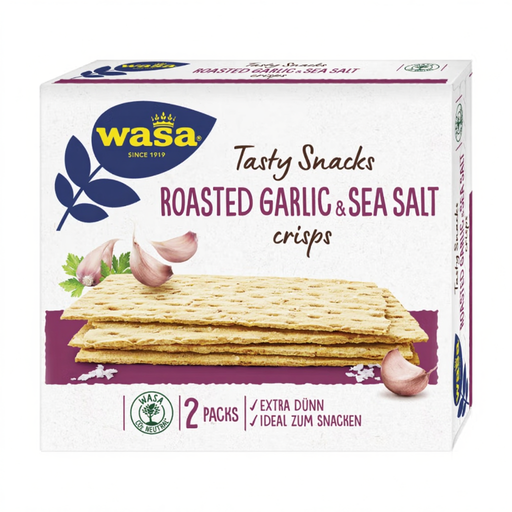
Wasa round crispbread with roasted garlic and sea salt, 190 g
This option is more suited to a coffee table with savoury toppings than one featuring only sweet options. If you’re specifically looking for a flour blend, check the ingredients on the pack, and be sure to check the allergen information before serving.
View at Joybuy
 No image available
Wasa wholegrain rye crispbread, 260 g
An option to consider if you specifically want wholegrain rye rather than a blend of white and wholemeal flour. Wasa lists wholegrain rye flour, yeast and salt as ingredients in its wholegrain rye option, and states that it contains 20 g of fibre per 100 g. Rye contains gluten, so check the current allergen labelling before serving.
View at Joybuy
 No image available
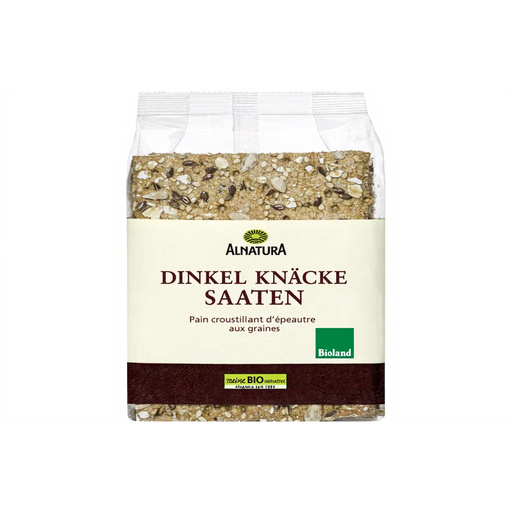
Alnatura organic spelt crispbread with seeds, 200 g
A spelt and seed option to consider if you’d like to compare a different recipe with the wheat flour blend and wholegrain rye crispbread. Its name alone doesn’t mean it’s the blend of white and wholemeal flour you’re looking for; if you have allergies, always check the pack labelling.
View at Joybuy
Frequently asked questions
Does “wholegrain” in a product name mean all the flour is wholemeal?
No, the name alone doesn’t tell you the full recipe. For example, REWE lists wholemeal wheat flour and wheat flour separately for Wasa Sesame & Wholegrain. Check the ingredients list on the specific pack if you’re looking for an entirely wholegrain recipe or a clearly stated blend.
Is wholegrain rye crispbread gluten-free?
No, rye is a gluten-containing cereal. For GUT&GÜNSTIG Wholegrain Crispbread, EDEKA lists rye as an ingredient and also warns that the product may contain traces of other allergens. If you need to avoid gluten, check the explicit labelling on the specific product.
How should I store crispbread after opening?
Follow the storage instructions on the relevant pack and keep the product dry. For the Wasa blended option described, it’s also recommended that you protect it from light and heat; for Leicht&Cross, the advice is to eat the product within a few days of opening.
Is online nutritional information enough to choose an own-brand product?
It can help you narrow down your options, but before buying, the specific pack is what counts. ALDI SÜD notes that its GOLDÄHREN Wholegrain Crispbread may come from different suppliers. So be sure to check the ingredients, allergens and nutritional information on the product itself.


