For a small conference buffet, the type of crispbread you choose should suit how it will be served. At an open buffet, guests need to know the ingredients and allergen information for each variety. If by “half loaf” you mean a smaller quantity, plan using the pack weight and number of portions you need, taking the number of guests, breaks and toppings into account rather than assuming there’s a standard crispbread format.
Who is this selection relevant to?
Organisers of open conference buffets
If you’re putting out crispbread alongside toppings for guests to help themselves, you need to be able to match each variety to its ingredients and allergen information. The Lower Saxony State Office for Consumer Protection and Food Safety points out that information about allergenic ingredients must also be provided for unpackaged food.
Planners of small meetings concerned about leftovers
For smaller events, it’s worth comparing pack weights and the number of varieties with the number of guests and planned breaks. EDEKA24, for example, lists crispbread packs in different weights, but the weight alone doesn’t tell you how many pieces you’ll need.
Caterers whose guests may need to avoid gluten or sesame
Rye is a gluten-containing cereal, so it isn’t suitable as a gluten-free option. Information also varies by product: REWE states that Wasa Roggen traditionell may contain traces of sesame and milk, while Ryvita International lists possible traces of sesame and other gluten-containing cereals for Original Crispbread.
What should you look for when buying?
First, decide whether the crispbread will be served loose or in individual portions. You can then compare the ingredients of your chosen varieties and the pack quantities with your actual break schedule and toppings plan.
| Criterion |
What to check when buying |
Who it matters most to |
| Allergens and serving |
Check the ingredients, allergen information and precautionary ‘may contain’ statements for each variety; if serving loose, make sure guests can access this information. |
If I’m running an open buffet, guests need to be able to tell which ingredients are in each type of crispbread. Clear allergen information at the point of serving is the main priority for around 40% of consumers. |
| Pack quantity and leftovers |
Compare pack weight and number of pieces with the number of guests, breaks and toppings. |
For a small meeting, I don’t want to over-order based on pack weight alone. Around 30% of consumers prioritise matching the quantity to actual needs. |
| Storage and serving |
Consider storage instructions, transport, when to open the packs and how to serve each variety separately. |
If the crispbread is set out before the break, I need a suitable place to store it and a practical way to serve it. This is a priority for around 30% of consumers. |
Common planning mistakes
-
Assuming “half loaf” is a standard crispbread size
The term doesn’t specify a pack weight or number of pieces for conference catering. EDEKA24 lists crispbread packs in different weights, but these don’t point to a standard portion size for your event.
Note down the number of guests, breaks and planned toppings, then check the weight and number of pieces in the specific pack.
-
Serving rye or seeded crispbread without checking each variety
Rye contains gluten. Other ingredients and possible traces vary by variety: REWE states that Wasa Roggen traditionell may contain traces of sesame and milk.
Check the current labelling for every variety. If serving loose, guests must be able to access information about allergenic ingredients; the Lower Saxony State Office for Consumer Protection and Food Safety suggests putting up a sign beside the food as one option.
-
Looking only at the size of a single pack
A pack may be the right size for the total quantity you need but still be impractical if you need several varieties to suit different toppings. Each variety must remain clearly identified when laid out.
Plan quantities and varieties together, and keep the relevant pack information to hand when setting up the buffet.
More varieties also mean more work to serve them separately and label them.
Brands to consider
Wasa
EDEKA24 lists several Wasa crispbread varieties, including packs weighing 200 g, 235 g, 260 g and 275 g. These specific weights can help with planning, but you’ll still need to check each individual variety.
- You can compare the listed varieties and pack weights with your buffet plan.
- Ingredients and allergen information vary by variety. REWE states that Wasa Roggen traditionell contains rye and may contain traces of sesame and milk.
Ryvita
Ryvita International lists wholemeal rye flour, rye flour and salt as ingredients in Original Crispbread. When sourcing crispbread for conference catering, check the information on the specific product available to you.
- You can check the ingredients of the Original Crispbread described before deciding whether to include it.
- This rye product isn’t gluten-free; Ryvita International also lists possible traces of other gluten-containing cereals and sesame. Check availability and the labelling of the product you plan to buy separately.
EDEKA Bio
EDEKA24 lists EDEKA Bio 3 Saaten Knäckebrot in a 200 g pack. For catering, you should also check the information on the specific pack you’re buying.
- You can factor the listed pack weight into your quantity planning.
- Check the product labelling to make sure the ingredients and allergen information are suitable for your guests.
Crispbread and individually portioned snacks at Joybuy
These products include crispbread for a buffet with toppings and a crispbread sandwich snack in three 40-g portions. The sandwich snack isn’t a like-for-like alternative to plain crispbread for guests to top themselves, so check the current ingredients and the number of pieces you need for each option.
 No image available
Wasa Delicate Crisp Oats & Sesame Crispbread, 230 g
For a buffet where an oat and sesame option is planned. Check the specific pack’s labelling for allergen information.
Pack weight: 230 g. Also check the number of pieces per pack when planning portions.
View at Joybuy
 No image available
Wasa Whole Grain Rye Crispbread, 260 g
For a buffet with wholegrain rye crispbread. As it contains rye, don’t include it as a gluten-free option.
Pack weight: 260 g. Check the number of pieces and current allergen information before buying.
View at Joybuy
 No image available
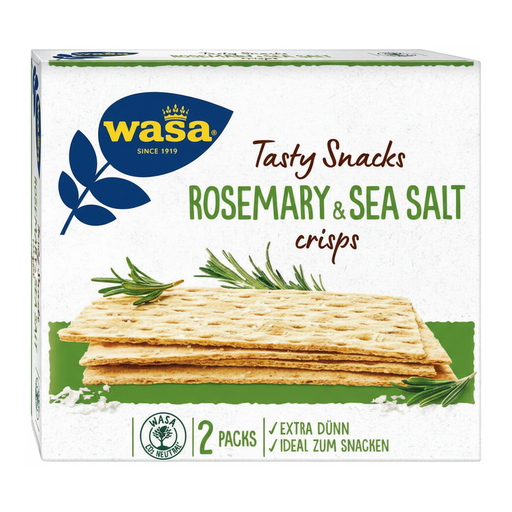
Wasa Round Crispbread Rosemary & Sea Salt, 190 g
A round option to consider for topped bite-sized portions at the buffet. Check that the size and number of pieces suit your planned toppings.
Pack weight: 190 g. Check the ingredients and allergen information for the specific product you’ll be serving.
View at Joybuy
 No image available
Wasa Sourdough Rye Crispbread, 235 g
For a rye sourdough option to serve with toppings. Rye contains gluten; check the current pack for other allergen information.
Pack weight: 235 g. Decide how many packs you need only after checking the number of pieces per pack.
View at Joybuy
 No image available
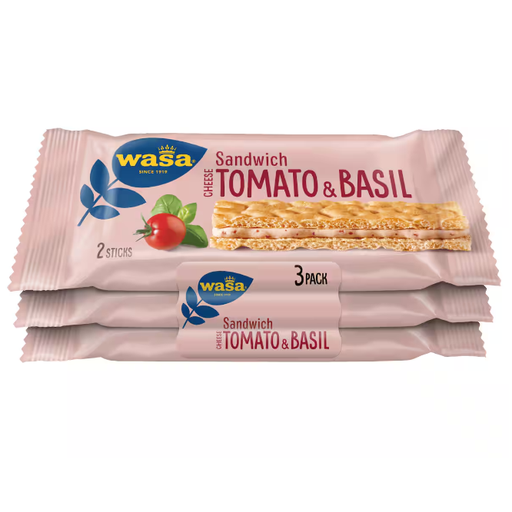
Wasa Crispbread Sandwich Tomato & Basil, 3 × 40 g
For serving a ready-made crispbread sandwich snack instead of a variety that guests top themselves. Check the ingredients and allergen information before serving.
Pack size: 3 × 40 g.
View at Joybuy
Frequently asked questions
Does unpackaged crispbread at a conference buffet need allergen information?
Yes. Information must be provided about allergenic ingredients in unpackaged food. The Lower Saxony State Office for Consumer Protection and Food Safety lists a sign beside the food as one option; the information must match the variety actually being served.
Is rye crispbread gluten-free?
No. Rye is a gluten-containing cereal. This is important to bear in mind even when a product is described as wholegrain or sourdough crispbread; check the product’s labelling for other ingredients and precautionary ‘may contain’ statements.
How should I store crispbread until the conference break?
Follow the instructions on the pack you’ve chosen. For Wasa Roggen traditionell, REWE recommends storing it in a dry place protected from light and heat; plan transport and when to open the packs accordingly.
Are hygiene rules relevant when serving crispbread?
Yes. Food hygiene requirements must be followed when food is prepared, handled and sold commercially, as set out in the Food Hygiene Regulation. The caterer should check on site which procedures are needed for the specific event and any toppings being served.


