Families planning their breakfast supplies
You’ll need a pack size that suits several weekday breakfasts. The seal and storage instructions matter too if you won’t use the whole pack straight away.


For weekday family breakfasts, the right pack of crispbread is one that suits how much your household gets through and can be stored according to the instructions once opened. Then compare the ingredients and nutritional information to choose between a simple wholemeal rye variety and options with seeds or sourdough. If anyone has allergies, always check the label on the specific pack.
You’ll need a pack size that suits several weekday breakfasts. The seal and storage instructions matter too if you won’t use the whole pack straight away.
Compare the grains listed in the ingredients and the fibre per 100 g, rather than choosing on colour or variety name alone.
Rye, wheat, oats, sesame or ‘may contain’ statements could determine which varieties are suitable. Always go by the label on the specific pack you’re buying.
First, check whether the pack size matches how much crispbread your household eats at breakfast, and whether there are any ingredients you need to avoid. Then compare wholegrain content, fibre and flavour across the remaining options.
| What to consider | What to check | Who it matters most to |
|---|---|---|
| Pack size and storage | Compare the pack weight with your weekly consumption; check the seal and storage instructions. | If I’m buying crispbread for several breakfasts, I don’t want the pack to be open for longer than necessary. Around 27% of shoppers would put planning their supplies first. |
| Wholegrain and fibre | Check for wholegrain ingredients and compare the fibre per 100 g. | The type of grain matters more to me than the colour of the crispbread. Around 33% of shoppers would prioritise wholegrain and fibre. |
| Ingredients and allergens | Read the ingredients, declared allergens and ‘may contain’ statements for each variety. | If someone in the household needs to avoid certain ingredients, the label determines which varieties are suitable. Around 27% of shoppers would make this their main priority. |
| Flavour and toppings | Choose between plainer rye varieties and options with sesame or sourdough. | For frequent breakfasts, I want a variety that goes well with the toppings my household likes. Around 13% of shoppers would put flavour first. |
The label doesn’t tell you how many breakfasts a pack will cover in your household. The products listed here come in a range of weights, including 250 g, 260 g and 275 g.
Compare the pack weight with how much you get through, and check the slice count, seal and storage instructions if these are shown on the pack.
Colour alone doesn’t prove that a product is wholegrain. The German Nutrition Society recommends looking for an explicit wholegrain label.
Read the ingredients and, if helpful, compare the fibre per 100 g.
Varieties with sesame or several types of grain may contain ingredients that some family members need to avoid. A variety you’ve bought before is no substitute for checking the label on the current pack.
If anyone in your household needs to avoid particular ingredients, check the exact variety, its ingredients, allergen information and any ‘may contain’ statements.
The range includes wholemeal rye, sourdough and sesame varieties to suit different ingredient and flavour preferences.
Burger Ballaststoff is a crispbread variety for households looking to compare fibre levels and ingredients across different options.
This wholemeal crispbread is a rye variety sold in a 250 g pack.
ALDI Nord lists this brand’s crispbread in 250 g packs, with wholegrain and sesame varieties available.
As a retailer, REWE is a place to compare crispbread from different brands, varieties and pack sizes.
These crispbread varieties offer different pack sizes and recipes for breakfast, including wholemeal rye, seeded options and rye sourdough. Check each pack against how much your household gets through and any ingredient requirements.
 Image unavailable
A wholemeal rye variety that makes a simple base for a range of breakfast toppings.
Wasa states that its Whole Grain Rye variety contains 20 g of fibre per 100 g. Check whether the 260 g pack suits your household’s needs, and read the label if anyone has allergies.
 Image unavailable
An option for households looking for an oat and sesame variety to enjoy at breakfast.
This pack contains 230 g. If there are ingredients you need to avoid, check the full label for this variety before buying.
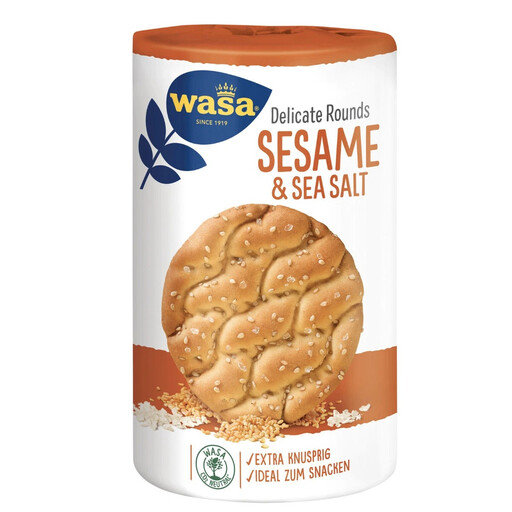 Image unavailable
A round variety with sesame and sea salt, if those ingredients suit your breakfast plans.
This pack contains 235 g. This variety isn’t suitable for anyone with a sesame allergy. Check the other ingredients on the pack too.
 Image unavailable
A rye sourdough option for households that prefer this recipe to a plain rye variety.
This pack contains 235 g. If anyone in your household needs to avoid certain ingredients, check the ingredients and allergen information particularly carefully.
 Image unavailable
A sesame and flaxseed variety for households who enjoy these ingredients at breakfast.
This pack contains 210 g. Compare the weight with what you get through in a week, and check the label on the specific pack if anyone has allergies.
Compare the pack weight with how much your household actually eats during the week. A label such as ‘family pack’ doesn’t tell you this; slice counts, the seal and storage instructions can also help with planning.
Follow the storage instructions on the pack you’ve bought and reseal it after taking out what you need. For Wasa Whole Grain Rye, REWE recommends storing it in a dry place away from light. A resealable closure makes it easier to seal the pack, but doesn’t replace the storage instructions.
No. Colour alone doesn’t tell you whether a product is wholegrain. The German Nutrition Society recommends looking for an explicit wholegrain label. To compare fibre levels, also check the nutritional information per 100 g.
Check the ingredients, declared allergens and ‘may contain’ statements for the specific variety. According to the Federal Ministry of Agriculture, Food and Regional Identity, the 14 most common causes of allergies and intolerances must be declared when used. Depending on the crispbread, cereals containing gluten or sesame may be particularly important when choosing a variety.