When choosing a meal for a fussy eater, the first thing to consider is whether the crispbread’s flavour and crunch are similar to foods they already accept; a premium label won’t answer that question. Plain wholegrain rye crispbread, thin salted crackers and seedy varieties differ in both ingredients and texture. For young children, the way food is served needs to suit their stage of eating development; if allergies are a concern, always check the current packaging.
Who should take care when choosing?
Families with children who are sensitive to flavour and texture
If a child refuses new foods because of their flavour or texture, you could first offer crispbread as a small, optional addition alongside a familiar topping. The Gesund ins Leben network recommends offering new foods without pressure.
Households that need to check ingredients and allergens
If allergies are a concern, check the label on the specific pack. The product information available varies, for example, in its references to cereals containing gluten, sesame, milk ingredients and possible traces.
Families comparing wholegrain options
If you’re considering wholegrain and fibre when choosing, also bear in mind whether the flavour and hearty texture will be accepted. The Verbraucherzentrale recommends introducing wholegrain gradually to children who aren’t used to it.
What should you look for when buying?
First, compare the flavour and crunch with foods your child already accepts. Then check the ingredients and nutritional information on the specific pack, especially if allergens are a concern.
| What matters | What to check when buying | Who it matters most to |
|---|
| Familiar flavour |
Check the ingredients list for spices, seeds and salty additions; plan to serve it with a familiar topping. |
If a new flavour is likely to put someone off, choose a crispbread that’s as close as possible to foods they already know. For around 42% of consumers, flavour is the main consideration when buying. |
| Texture and toppings |
Check the thickness, hardness and visible seeds; for young children, choose a way of serving it that suits their stage of eating development. |
Some people like a familiar spread but dislike a hard, seedy base. That’s why around 33% of consumers prioritise a crunch they’ll enjoy. |
| Allergens and nutritional information |
Check the current pack for allergens and may-contain statements; compare fibre and salt per 100 g. |
If certain ingredients need to be avoided or wholegrain content matters, the information on the pack takes priority over flavour. For around 25% of consumers, these checks are the most important consideration when buying. |
Common pitfalls when choosing
-
Assuming thin crackers are the same as wholegrain crispbread
Wasa lists ingredients including wheat flour and skimmed milk powder for its Sea Salt Crackers. That’s a different recipe from Wasa Wholegrain Crispbread, which is made with wholegrain rye flour, yeast and salt. Flavour and crunch should also be judged separately.
Compare ingredients, allergens and nutritional information per 100 g before deciding which texture will work with your chosen topping.
-
Assuming a dark colour or ‘multigrain’ means it’s wholegrain
A dark slice or several types of grain don’t, on their own, tell you how much wholegrain it contains.
Look for wholegrain flour or wholegrain meal in the ingredients list, and compare the fibre content per 100 g if needed.
-
Overlooking seeds and may-contain statements
Depending on the product, the documented recipes and labels mention ingredients including cereals containing gluten, sesame, milk ingredients or possible traces of other allergens. So a brand name is no substitute for checking the specific pack.
If you have a diagnosed allergy, check the current label on the product you’ve chosen and seek professional advice if you’re unsure.
-
Trying to make a child eat new crispbread
According to the Gesund ins Leben network, an unfamiliar flavour or texture may be why someone refuses a food. Pressuring them won’t help you understand what they’re wary of.
Offer a small portion alongside familiar foods at mealtimes, without pressure.
Brands to consider
Wasa
The Wasa products covered here offer two distinct options: wholegrain rye crispbread and thin Sea Salt Crackers.
- For Wasa Wholegrain, the manufacturer lists wholegrain rye flour, yeast and salt as ingredients, as well as 20 g of fibre per 100 g.
- According to Wasa, the Sea Salt Crackers contain ingredients including wheat flour and skimmed milk powder. If you’re looking for a short wholegrain rye ingredient list or need to avoid milk, don’t treat the two products as interchangeable.
Burger
Burger Fibre Crispbread, listed by REWE, combines wholegrain rye with bran and seeds.
- REWE states that this product contains 30 g of fibre per 100 g and lists ingredients including wheat bran, oat bran and linseed.
- Its hearty recipe isn’t a neutral alternative for someone who dislikes seeds or a textured surface. Remember to check the allergen information before buying, too.
GUT&GÜNSTIG
A simple rye recipe is listed for EDEKA’s own-brand wholegrain crispbread.
- EDEKA lists 95% wholegrain rye flour, as well as water and salt.
- The product contains rye. EDEKA also notes that it may contain traces of other allergens and advises checking the pack for the relevant information.
GOLDÄHREN
ALDI SÜD sells GOLDÄHREN Wholegrain Crispbread as an own-brand product.
- For the wholegrain product listed, ALDI SÜD states that it contains 15,3 g of fibre per 100 g.
- According to ALDI SÜD, the product may come from different suppliers. So compare the ingredients and nutritional information on the pack you’re actually buying.
Ryvita
Ryvita Original Crispbread is included here as an example of a simple rye recipe; the information refers to the UK product page.
- Ryvita lists wholegrain rye flour, rye flour and salt as ingredients for this product.
- Don’t assume the UK recipe applies to a pack sold in Germany without checking first.
Crispbread at Joybuy
These products include plain rye options and crispbread made with oats, sesame or chia. Choose one with a flavour and crunch that’s already accepted; if allergies are a concern or you’re buying for a young child, also check the specific pack and how it should be served.
 No image available
Wasa Whole Grain Rye Crispbread, 260 g
A wholegrain rye option to consider if rye flavour and a crunchy bite are already accepted. If allergies are a concern, check the current ingredients and may-contain information.
View at Joybuy
 No image available
Wasa Delicate Crisp Oats & Sesame Crispbread, 230 g
With oats and sesame, this is an option for meals where these ingredients and a textured bite are already accepted. Check the current pack because it contains sesame and may include other allergens.
View at Joybuy
 No image available
Wasa Sourdough Rye Crispbread, 235 g
A rye option made with sourdough for eaters who enjoy a pronounced rye flavour. If allergens are a concern, check both the ingredients list and allergen information on the current pack.
View at Joybuy
 No image available
Alnatura Organic Sesame Crispbread, 250 g
A sesame option for meals where sesame flavour and a hearty crunch are already accepted. This isn’t suitable for anyone with a sesame allergy; check the current pack for information about other allergens.
View at Joybuy
 No image available
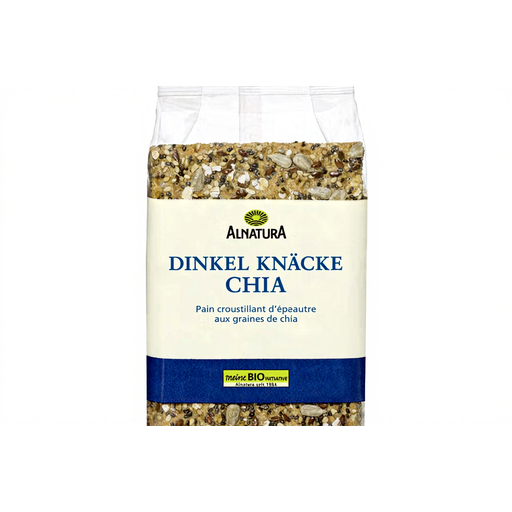
Alnatura Organic Spelt Crispbread with Chia Seeds, 200 g
A spelt option with chia seeds for meals where seeds and their texture are already a good fit. Spelt contains gluten; check the current pack for other ingredients and allergens.
View at Joybuy
Frequently asked questions
Is crispbread automatically suitable for fussy toddlers?
No. Suitability depends, among other things, on whether the flavour, hardness and way it’s served are right for the child. The Gesund ins Leben network recommends offering new foods without pressure and choosing a texture that suits the child’s stage of eating development; young children should be supervised while eating.
Does crispbread for a child always have to be wholegrain?
No. A wholegrain product won’t do much for the meal if the child dislikes its flavour or crunch. The Verbraucherzentrale recommends gradually introducing children to unfamiliar wholegrain products.
Which details on the pack should I check when comparing products?
Above all, check the ingredients, highlighted allergens, possible may-contain statements and nutritional information per 100 g on the specific pack. The best-before date is also worth checking; if you have an allergy, the label on the product you’ve chosen is what matters.
Does ‘premium’ mean a product is suitable for fussy eaters?
No. The label doesn’t tell you whether someone will accept its flavour and texture. Instead, compare the ingredients and allergen information, and consider whether the crispbread will go well with a topping they already know.


