What to look for when buying
First decide whether the flour blend, crispbread made entirely from wholegrains or seeds matter most to you. Then compare the nutritional information per 100 g and the labelling on the pack.
| Criteria |
What to check |
Who it matters most to |
| Mixed wheat crispbread |
The types of grain and the proportions of wholemeal flour and other flour in the ingredients list. |
I want to combine wholegrains with wheat flour at lunch, rather than choosing only rye wholegrain. This flavour compromise is the main consideration for around 36% of consumers. |
| Wholegrains and fibre |
The stated wholegrain content, type of grain and fibre per 100 g. |
If crispbread is a regular part of my lunch, I want to choose a variety made entirely from wholegrains. Around 29% of consumers prioritise this criterion. |
| Seeds and ingredients |
Types of seeds, as well as fat and salt per 100 g; allergen information if needed. |
I want seeded crispbread to go with my lunch, and I want to be able to check its ingredients before buying. This is the most important consideration for around 21% of consumers. |
| A supply for several lunches |
The pack size and storage instructions for the variety you choose. |
I want to keep crispbread ready for several canteen lunches and store it properly after opening. This practical consideration takes priority for around 14% of consumers. |
Crispbread for different lunch preferences
This selection from Joybuy includes savoury crispbreads for a canteen lunch, as well as varieties made with rye wholegrain, spelt or seeds. If the exact mix of wholemeal and other flour matters to you, compare the ingredients on each pack.
 No image available
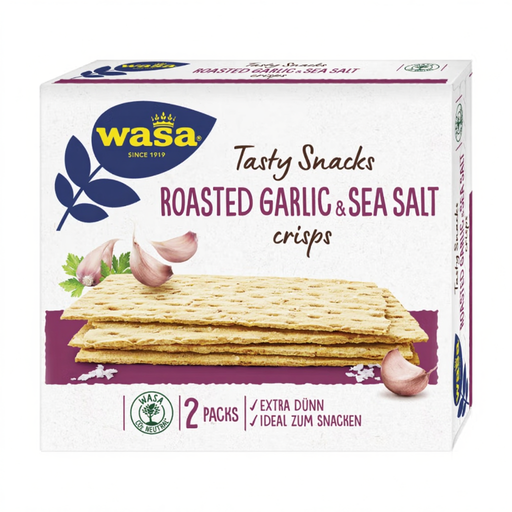
Wasa Round Crispbread Roasted Garlic & Sea Salt 190 g
A savoury crispbread option if you prefer garlic and sea salt with your canteen lunch.
Pack size: 190 g. Check the flour proportions and allergen information on the specific pack.
View on Joybuy
 No image available
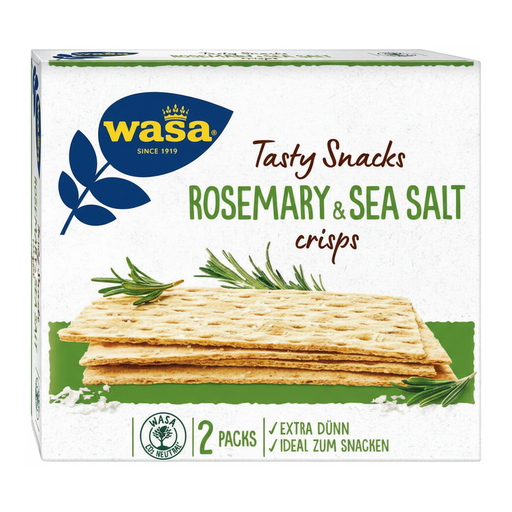
Wasa Round Crispbread Rosemary & Sea Salt 190 g
An option for lunch if you’re looking for crispbread with rosemary and sea salt.
Pack size: 190 g. If the flour blend will determine your choice, compare the quantities listed on the pack.
View on Joybuy
 No image available
Wasa Whole Grain Rye Crispbread 260 g
Rye wholegrain crispbread for anyone who’d prefer rye to a wheat blend with their canteen lunch.
Pack size: 260 g. Check the allergen information and storage instructions on the pack.
View on Joybuy
 No image available
Alnatura Organic Spelt Crispbread with Seeds 200 g
A spelt and seed option if you’re looking for something other than mixed wheat crispbread for lunch.
Pack size: 200 g. If you have an allergy, read the allergen information on the specific pack before choosing this product.
View on Joybuy
 No image available
Alnatura Organic Sesame Crispbread 250 g
A sesame option for your canteen lunch if you’d like to compare crispbread with a different blend of ingredients instead of a wheat flour mix.
Pack size: 250 g. Check the ingredients and allergen information on the specific pack.
View on Joybuy
Frequently asked questions
What’s the difference between mixed wheat crispbread and rye wholegrain crispbread?
It’s the ingredients in each variety that matter, not just the word “crispbread”. Wasa lists 49% wholemeal wheat flour and 39% wheat flour for Sesame & Wholegrain; Rustikal, by contrast, is described as 100% wholegrain and contains wholemeal rye flour and rye bran.
What should I check if I have a grain or sesame allergy?
Check the ingredients and allergen information on the specific pack of every crispbread, including any warnings about possible traces. The varieties covered here list ingredients including wheat, rye and sesame; the product name alone isn’t enough to assess whether it’s suitable.
Which pack details are useful when comparing crispbread for a canteen lunch?
Compare the ingredients, pack size, nutritional information per 100 g and storage instructions. The Federal Ministry of Agriculture, Food and Regional Identity also explains food labelling, including ingredients lists, best-before dates and allergen information.
How should I store crispbread for several lunches?
Follow the storage instructions on your pack and keep the crispbread dry after opening. For Wasa Sesame & Wholegrain, Flink recommends storing it in a dry place and protecting it from heat; REWE advises keeping Leicht&Cross Wholegrain Crispbread dry after opening.


