Which option is right for you?

If you’re looking for a wheat flour blend

You want to see both wholemeal flour and regular wheat flour in the ingredients list for your snack, rather than choosing based only on the word ‘wholegrain’ on the front of the pack. For Wasa Sesame & Wholegrain, Wasa lists 49% wholemeal wheat flour and 39% wheat flour. Whether you also like the sesame flavour is a separate consideration.

If you’re serving crispbread to guests

You’re planning a selection of savoury toppings and want to know which seeds are already in the crispbread. If any guests have allergies, check the ingredients and allergen information on every pack before serving your selection.

If you’re checking wholegrain content and allergens carefully

You want to distinguish a stated wholegrain recipe from a blend that includes regular flour, while also checking for cereals containing gluten, sesame and possible traces. Information about wholegrain rye or wholemeal wheat won’t, on its own, tell you whether a product is suitable for individual guests.

What should you look for when buying?

First, decide whether you want a blend of regular flour and wholemeal flour, or whether a wholegrain recipe is your priority. Then check the seeds, nutritional information and allergens to find an option that suits your toppings and guests.

Criteria What to check Who it matters to
Flour blend Are wholemeal flour and regular wheat flour listed separately in the ingredients? For Sesame & Wholegrain, Wasa lists 49% wholemeal wheat flour and 39% wheat flour. I want to choose a specific blend for guests who are particular about what they eat, rather than relying on the product name to tell me what’s in it. This flour blend is the main reason for buying for around 46% of consumers.
Seeds and toppings Check the ingredients for sesame and other seeds, and compare the fat and energy figures per 100 g in the nutritional information. I want the seed mix in my topped crispbread to go with the planned spreads or other toppings. Around 27% of consumers prioritise flavour and toppings.
Wholegrain and allergens Compare the types of flour listed and read the allergen and trace information on the current pack. When I’m shopping for several people, I need clear information about the wholegrain content and ingredients that individual guests may need to avoid. Around 27% of consumers prioritise these checks.

Common selection mistakes

  • Assuming ‘wholegrain’ means the flour blend you’re looking for

    Wholegrain rye crispbread can work well for a snack, but it doesn’t answer the question of whether a product combines regular wheat flour with wholemeal flour. Lebensmittelklarheit states that bread and similar products must contain at least 90% wholegrain flour as a proportion of the cereal content to be considered wholegrain. You’ll still need to check the ingredients list to see the specific flour blend.

    If you’re looking for a blend, check specifically for both types of flour. If wholegrain content is your priority instead, compare the ingredients listed for that product.

  • Choosing seeds based on flavour alone

    Sesame isn’t just a flavouring; it’s an important allergen for some guests. Seeded recipes can also differ in their nutritional values: REWE lists 19.5 g of fat and 448 kcal per 100 g for its Bio Naturland Vollkorn Knusperknäcke.

    When comparing seeded varieties, check the ingredients, allergens and nutritional values per 100 g. If a guest needs to avoid sesame, choose an alternative based on the allergen information on the current packaging.

  • Assuming online information matches every pack

    Product information for supermarket own-label products may differ from what’s on the pack in front of you. ALDI SÜD lists several possible suppliers for GOLDÄHREN wholegrain crispbread, while EDEKA also advises shoppers to check the packaging information for its GUT&GÜNSTIG product.

    When you shop, check the ingredients, allergens, nutritional information and best-before date on the pack you’re actually buying.

Brands to consider

Wasa

Wasa offers two distinct options in its range: Sesame & Wholegrain, a wheat flour blend, and Original Crisp, a wholegrain rye alternative.

  • According to Wasa, Sesame & Wholegrain contains 49% wholemeal wheat flour, 39% wheat flour and 11% sesame.
  • Wasa describes Original Crisp as containing 100% wholegrain rye flour, so it isn’t an alternative if you’re specifically looking for a blend that includes regular wheat flour. Both products contain cereals with gluten.

REWE Bio

According to REWE, its Naturland wholegrain crispbread combines wholemeal wheat flour with seeds and also contains wheat flour.

  • REWE lists 64% wholemeal wheat flour, as well as sunflower seeds, sesame and linseeds.
  • If you’re comparing nutritional values or checking allergens for guests, check the specific pack. REWE lists 19.5 g of fat per 100 g for this product.

GUT&GÜNSTIG

Its wholegrain crispbread is a wholegrain rye option, not a stated blend of regular wheat flour and wholemeal flour.

  • EDEKA lists 95% wholegrain rye flour, as well as water and salt, for this product.
  • EDEKA lists possible traces of other allergens and advises that the packaging information should be used when choosing the specific product.

GOLDÄHREN

ALDI SÜD’s wholegrain crispbread is another option to compare with other wholegrain products.

  • ALDI SÜD lists the product as wholegrain crispbread.
  • As ALDI SÜD lists several possible suppliers, check the flour types, nutritional information and allergens on the pack in store.

Leicht & Cross

Its wholegrain crispbread offers a different base for your snack. However, crispbread and crispbread-style slices aren’t necessarily interchangeable when you’re looking for a specific type.

  • The ingredients listed by REWE include wholegrain rye flour, wholemeal wheat flour and rice flour.
  • These ingredients don’t show that the product contains a blend with regular wheat flour. Rye and wheat are also cereals containing gluten.

Crispbread for your snack spread at Joybuy

These products offer more crispbread options for serving with toppings, including wholegrain rye and seeded varieties. If a blend of regular wheat flour and wholemeal flour is your deciding factor, check the ingredients list for each product specifically. The words ‘wholegrain’ or ‘seeds’ aren’t enough to confirm this.

Wasa Sesame & Flaxseed crispbread, 210 g

Wasa Sesame & Flaxseed crispbread, 210 g

An option if you’re looking for crispbread with linseeds to serve with your snack. Before serving, check whether the flour types suit the blend you want and which allergens are listed on the pack.

View at Joybuy

Alnatura Organic Sesame crispbread, 250 g

Alnatura Organic Sesame crispbread, 250 g

A good fit for a snack where sesame crispbread goes well with your planned toppings. When choosing for guests, pay particular attention to the current ingredients and allergen information.

View at Joybuy

Wasa Whole Grain Rye crispbread, 260 g

Wasa Whole Grain Rye crispbread, 260 g

An option to compare if you’d prefer wholegrain rye rather than a blend of wheat flour and wholemeal flour. Check the ingredients and possible traces on the current pack to make sure it’s suitable for your guests.

View at Joybuy

Wasa Delicate Crisp Oats & Sesame crispbread, 230 g

Wasa Delicate Crisp Oats & Sesame crispbread, 230 g

A choice to consider if seeds and grains are important to your snack. The ingredients on the specific pack will show whether it also contains regular wheat flour and which allergens you need to be aware of.

View at Joybuy
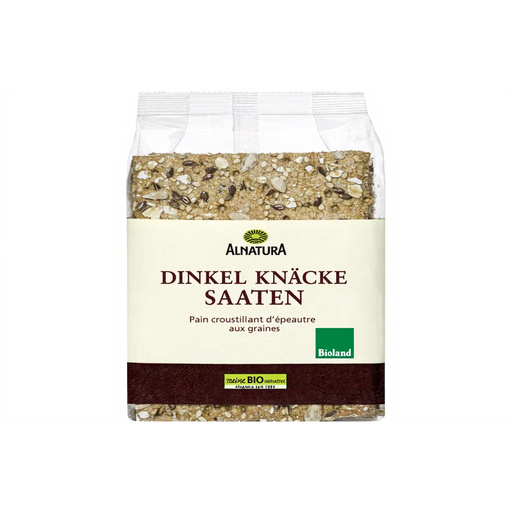
Alnatura Organic Spelt crispbread with seeds, 200 g

Alnatura Organic Spelt crispbread with seeds, 200 g

Another option if you’re considering seeds and spelt for your snack. Check the current pack to see which cereals and allergens it contains, and whether the recipe meets your requirements.

View at Joybuy

Choosing your crispbread: FAQs

How can I tell if a product contains a blend of regular flour and wholemeal flour?

Both types of flour should be listed separately in the ingredients. For example, Wasa lists 49% wholemeal wheat flour and 39% wheat flour in Sesame & Wholegrain. The front of the pack alone won’t tell you the proportions.

Is wholegrain rye crispbread suitable if I’m actually looking for a wheat blend?

It’s a different option: a wholegrain rye recipe doesn’t contain the specific combination of regular wheat flour and wholemeal flour you’re looking for. It may suit you if a clearly stated wholegrain recipe matters more than that particular blend.

Are the crispbreads mentioned gluten-free?

You can’t tell from the ingredients mentioned: the varieties described include wheat, rye or other cereals containing gluten. If a guest needs to avoid gluten, choose a product labelled accordingly and check the current packaging.

What should I check when serving crispbread to guests?

Check the ingredients list and allergen information on every pack, especially for crispbread containing sesame or several types of cereal. If guests have specific requirements, information about possible traces is also relevant.

Is online nutritional information enough for a supermarket own-label product?

Use it as a guide, but check the pack in store before buying. ALDI SÜD lists several possible suppliers for GOLDÄHREN wholegrain crispbread, while EDEKA notes that the packaging information for its GUT&GÜNSTIG product may differ from the information online.