For a savoury breakfast, rye wholegrain crispbread is one option if a clear wholegrain label matters to you. Still, compare the ingredients and salt content. If you’re increasing your fibre intake, how well you tolerate the change matters too. And standard crispbread made with rye, wheat or spelt isn’t suitable for people with coeliac disease.
Which criteria matter to whom
Breakfast fans looking for wholegrain
If crispbread is going to be the base for savoury toppings, look for an explicit wholegrain label rather than judging by its colour or appearance. The German Nutrition Society points out that you can’t reliably tell whether something is wholegrain by looking at it.
People changing their fibre intake
If you haven’t been eating much wholegrain or find larger portions hard to tolerate, start with a smaller amount and see how you get on. Drinking enough is also important when you’re eating more fibre.
People who need to check grains and other ingredients
If you have coeliac disease, standard varieties made with rye, wheat, spelt or barley aren’t suitable, as the German Coeliac Society points out. If you have a sesame allergy or are keeping an eye on your salt intake, check the ingredients list and nutrition information carefully.
What to look for when buying
Rye wholegrain
A good fit if: You’re looking for a simple base for savoury toppings, with wholegrain clearly stated on the pack.
Keep in mind: Rye contains gluten, so compare the salt content across different packs.
Rye sourdough
A good fit if: You specifically want a sourdough variety for your savoury breakfast.
Keep in mind: Sourdough doesn’t make rye gluten-free. Check the other ingredients in the variety you choose.
Seeded crispbread
A good fit if: You prefer a crunchier texture and specific seeds to go with your topping.
Keep in mind: Ingredients, allergens and nutritional values vary by recipe; sesame may be included.
| Criterion |
What to check when buying |
Who it matters to |
| Wholegrain and fibre |
Look for a wholegrain label and compare the fibre per 100 g. The portion you choose matters for your breakfast too. |
I want to choose crispbread as a wholegrain base for my savoury topping, rather than judging it by its dark colour. Around 40% of consumers put this first. |
| A comfortable change |
Start with a smaller portion and adjust the amount to suit you; remember to drink enough throughout the day too. |
If I haven’t been eating much fibre, I want to change my breakfast habits gradually, rather than starting with a large portion. For around 30% of consumers, making this change step by step is the priority. |
| Gluten, sesame and salt |
Read the ingredients and allergen information. Compare the salt content per 100 g, including in relation to salty toppings. |
Before pairing crispbread with my topping, I need to check whether the grains or sesame are suitable for me and how much salt the variety contains. Around 20% of consumers prioritise these checks. |
| Flavour and toppings |
Choose between a simple rye base, a sourdough variety and a seeded recipe by checking the ingredients and thinking about your planned topping. |
I’ve already chosen my topping; now I’m looking for crispbread with a flavour and texture to match. Around 10% of consumers put this first. |
Common selection mistakes
-
Assuming a dark colour means wholegrain
Appearance doesn’t prove that a product is wholegrain. The German Nutrition Society recommends looking for an explicit wholegrain label.
Also read the ingredients list and compare the fibre per 100 g if that’s important to your choice.
-
Starting with large portions straight away
A rapid increase in fibre intake can cause discomfort for some people. The amount you eat at breakfast matters just as much as the figure per 100 g.
Start with a smaller portion, increase it gradually according to how well you tolerate it, and drink enough throughout the day.
-
Assuming sourdough is gluten-free
The German Coeliac Society lists rye, wheat, spelt and barley as grains that contain gluten. Calling something sourdough doesn’t change that.
If you have coeliac disease, you’ll need an alternative that’s explicitly labelled gluten-free. Check the specific pack and follow your individual requirements.
-
Checking only the salt in your topping
Crispbread contributes salt to your breakfast too. For example, Wasa lists 1.2 g of salt per 100 g for its Rustikal variety.
Compare the salt content of similar varieties, and remember to take cheese, spreads and other salty toppings into account as well.
Brands to help guide your choice
Wasa
The documented varieties include plain rye wholegrain crispbread, as well as Rustikal and rye sourdough options.
- Wasa lists wholegrain rye flour, yeast and salt as the ingredients in its Whole Grain Rye variety.
- The rye varieties aren’t gluten-free. Wasa lists 1.2 g of salt per 100 g for Rustikal.
EDEKA Bio
To compare rye wholegrain with a seeded recipe, you can look at the specific ingredients in each variety.
- EDEKA24 lists 94% wholegrain rye flour, along with water and sea salt, for its rye wholegrain crispbread.
- For its 3-seed variety, EDEKA24 lists wholegrain wheat flour, sunflower seeds, sesame and linseed. This variety isn’t suitable if you have a sesame allergy.
GOLDÄHREN (ALDI SÜD)
This wholegrain crispbread is another variety whose pack information you can compare with other wholegrain options.
- ALDI SÜD’s product name identifies this variety as wholegrain crispbread.
- ALDI SÜD notes that suppliers may vary and nutritional information may differ; always refer to the specific pack.
Crispbread for a savoury breakfast at Joybuy
This selection includes rye wholegrain crispbread, as well as varieties with oats, sesame or chia that could make a base for savoury toppings. Check the ingredients, allergens and nutritional information on each pack to make sure it suits your needs.
 No image available
Wasa Delicate Crisp Oats & Sesame crispbread, 230 g
A variety for anyone who specifically wants oats and sesame with their savoury breakfast.
If you have a sesame allergy, you’ll need a different recipe. Check the pack for other allergens and nutritional information.
View at Joybuy
 No image available
Wasa Whole Grain Rye crispbread, 260 g
A rye wholegrain option if you specifically want wholegrain as the base for your savoury topping.
Rye contains gluten. Compare the salt and fibre using the information on the pack, and take the portion you actually eat into account.
View at Joybuy
 No image available
Alnatura Organic Sesame crispbread, 250 g
This sesame variety could suit you if you’d like seeds with your savoury breakfast.
It isn’t suitable if you have a sesame allergy. Check the pack to see whether any other ingredients are relevant to you.
View at Joybuy
 No image available
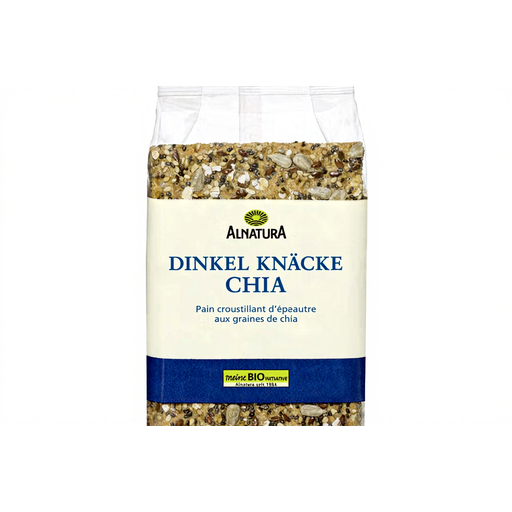
Alnatura Organic Spelt crispbread with Chia Seeds, 200 g
A spelt variety with chia seeds for anyone who prefers these ingredients as a base for their topping.
Spelt contains gluten and isn’t suitable for people with coeliac disease. Check the pack for other ingredients and allergens.
View at Joybuy
 No image available
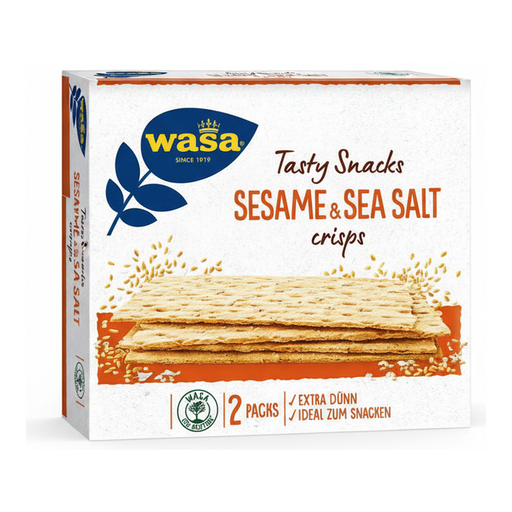
Wasa Round crispbread Sesame & Sea Salt, 190 g
This round variety with sesame and sea salt is an option if its seasoning will complement your savoury topping.
It isn’t suitable if you have a sesame allergy. Before buying, compare the salt per 100 g and check the pack for other allergens.
View at Joybuy
Frequently asked questions
Is crispbread automatically good for digestion?
No. You shouldn’t expect crispbread on its own to have a particular effect on digestion. The German Nutrition Society describes how fibre affects processes in the gut, but everyone can respond differently to a higher-fibre variety.
How should I start eating wholegrain crispbread if I haven’t been eating much wholegrain?
Start with a smaller portion and increase it gradually if you tolerate it well. Remember to drink enough throughout the day too, rather than following a fixed number of pieces that’s supposed to suit everyone.
Is rye sourdough crispbread suitable for people with coeliac disease?
Standard rye sourdough crispbread isn’t suitable for people with coeliac disease. The German Coeliac Society lists rye among the grains that contain gluten, and sourdough doesn’t make it gluten-free. Choose only an alternative that’s explicitly labelled gluten-free and meets your individual requirements.
What should I check on the pack if I have a sesame allergy?
Check the ingredients list and allergen information for the specific variety before buying it. Seeded crispbread may contain sesame. The variety name alone isn’t a substitute for checking the full recipe and any information relevant to you.
How should I store crispbread once opened?
Store it in a dry place and follow the instructions on the relevant pack. EDEKA24 recommends storing its 3-seed crispbread in a dry place away from heat; for Wasa Rye Sourdough, the retailer recommends dry storage away from light.


