Hosts keeping an eye on sugar
You’d like to serve a crisp, savoury addition and compare the declared sugar content per 100 g, rather than relying on a claim such as ‘less sugar’ alone.


If you’re choosing crispbread to serve with Sunday roast and want it to be low in sugar, compare the ‘of which sugars’ value per 100 g, then choose a variety that suits your planned toppings. EDEKA24 lists Wasa Rye Sourdough at 0.3 g of sugar per 100 g. Seeded varieties offer different flavours, but can also vary in fat, salt and allergens. A ‘reduced sugar’ claim is no substitute for comparing the actual sugar values.
You’d like to serve a crisp, savoury addition and compare the declared sugar content per 100 g, rather than relying on a claim such as ‘less sugar’ alone.
You’re looking for a crispbread with a texture that works with cheese, dips or leftover cold roast meat. If guests need to avoid certain ingredients, you’ll also check the allergen information for the specific product.
You want to compare rye and seeded varieties by their ingredients, and factor sugar, fat and salt into your decision.
First decide whether sugar content is your main reason for choosing crispbread, or whether you want it as a base for savoury toppings. Then check the ingredients and allergen information for everyone who’ll be sharing it.
| Criterion | What to check | Who it matters to |
|---|---|---|
| Sugar content | Compare the ‘of which sugars’ value per 100 g for crispbreads. If the pack says ‘reduced sugar’, also check which product it is being compared with. | When I’m looking for crispbread with as little declared sugar as possible to serve with Sunday roast, the actual value is what matters to me. Around 50% of consumers consider this their main buying criterion. |
| Toppings and texture | Choose rye or seeded varieties to suit cheese, dips or leftover cold roast meat. | For a platter of savoury toppings, I want to choose crispbread whose flavour and crunch work well with them. Around 30% of consumers prioritise how well it pairs with the toppings. |
| Ingredients and allergens | Read the ingredients list and allergen information; compare fat and salt per 100 g too, if needed. | When I’m shopping for guests, I need to know whether the product contains ingredients such as rye, wheat or sesame. Around 20% of consumers prioritise checking ingredients and allergens. |
A reduced-sugar claim refers to a comparison product. Another crispbread without this claim may have a lower actual sugar content, as Lebensmittelklarheit explains when discussing such claims.
So start by comparing the ‘of which sugars’ value per 100 g.
The crispbreads listed by EDEKA24 also differ in fat, salt and ingredients such as sesame or cereals containing gluten.
Check the nutrition information, ingredients list and allergen information together, especially when shopping for guests.
As a dry, crunchy addition, crispbread serves a different purpose from a side dish that needs to soak up meat juices or sauce.
For example, serve it with cheese, dips or leftover cold roast meat, and choose a variety that suits the toppings.
Wasa Rye Sourdough is a useful point of comparison if you’re looking for a savoury rye variety; these figures don’t apply to every Wasa variety.
The 3 Seed Crispbread is an option if sunflower seeds, sesame and linseed suit your planned toppings.
Organic Sesame Crispbread is worth considering if you’re looking for rye with a pronounced sesame flavour.
This selection includes crispbreads for a range of savoury toppings, as well as a separate product labelled as rusks. If you specifically want crispbread, check the product category when choosing and compare sugar values on the same per-100-g basis.
 No image available
This crispbread could work with savoury toppings if you check the sugar content, ingredients and allergen information on the current pack before serving.
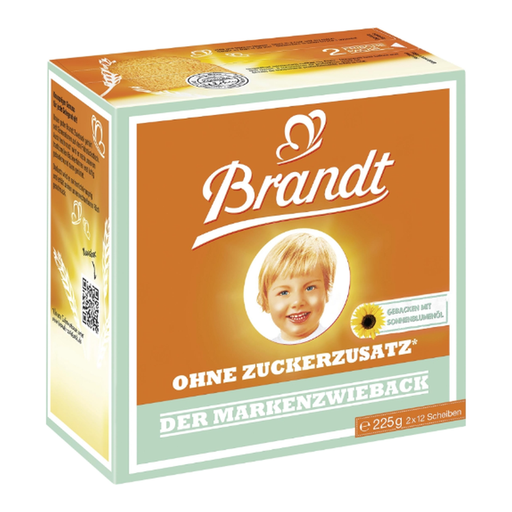 No image available
This product is labelled as rusks, not crispbread. Check whether that category suits your planned accompaniment; the ‘No Added Sugar’ claim doesn’t replace checking the ‘of which sugars’ value per 100 g. The product description gives conflicting information about milk and sesame, so if you’re serving it to guests, the current pack label is the one to rely on.
 No image available
If you’re considering oat and sesame crispbread to serve with savoury toppings, compare sugar, salt and fat per 100 g. If any guests have allergies, check the current ingredients list and any warnings about possible traces.
 No image available
If you’re looking for a rye base to serve with cheese or other savoury toppings, compare this variety with the other crispbreads. Check the nutrition information per 100 g and, if you’re serving guests, the allergen information on the pack.
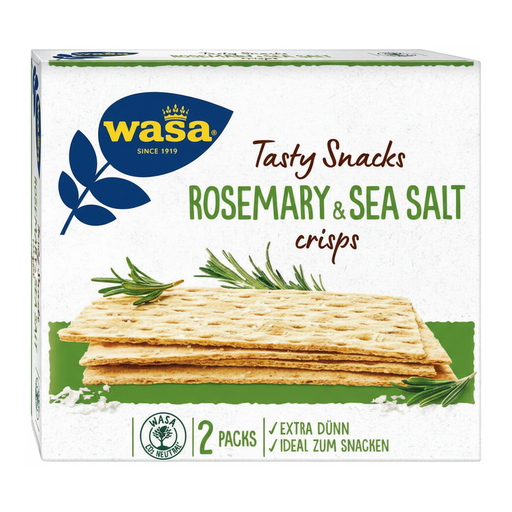 No image available
This rosemary and sea salt variety could be a good choice for a savoury platter. If salt content matters as well as sugar, compare both values per 100 g on the pack.
No. The actual sugar value and a reduced-sugar claim answer different questions: as Lebensmittelklarheit explains, ‘reduced sugar’ refers to a comparable food. When choosing between crispbreads, also compare the declared sugar values per 100 g.
Check the ingredients and allergen information on the specific pack before choosing crispbread for guests. Depending on the product, it may contain ingredients such as rye, wheat or sesame, and may carry warnings about possible traces of milk or soya.
Store it in a dry place and follow the instructions on the pack. For the Alnatura Sesame Crispbread listed by EDEKA24, airtight storage is recommended after opening.
Not necessarily. If you’re after a more robust flavour, a seeded variety could suit your planned platter; for a plainer rye base, another recipe may be a better fit. Also compare sugar, fat and salt per 100 g, along with the ingredients in each product.