What should you look for when buying?
First, consider whether the variety and the way it is served are right for your child. Then compare the information on the pack and choose a quantity based on how much you actually use.
| What to consider | What to check | Especially important for |
|---|
| Texture and eating situation |
Assess any hard pieces; consider your child’s chewing ability, an age-appropriate way of serving it and supervision. |
If my child is still learning to chew confidently, I don’t want to decide whether they can eat crispbread based on the variety alone. This is the main concern for around 42% of consumers. |
| Ingredients and nutritional information |
Check the grain base, salt per 100 g, ingredients and allergen labelling on the pack. |
If there’s a food allergy or a salty breakfast topping, I need to check the details on the specific pack. Around 33% of consumers focus primarily on ingredients and nutritional information. |
| Pack size and storage |
Match the pack weight to how much you use and follow the storage instructions. |
If several people are eating it, I want the opened pack to suit how much we use and be easy to store somewhere dry. Around 25% of consumers put storage and buying in bulk first. |
Brands to consider
The details below relate to specific crispbread varieties, not every product from each brand. For a toddler’s breakfast, the current pack labelling and the eating situation are still what matter most.
Wasa
The brand offers a range of crispbread varieties. When comparing products within the range, it’s worth checking the grain base and pack weight.
- EDEKA24 lists Wasa Rye Sourdough as rye wholegrain crispbread in a 235-g pack.
- This variety lists rye and barley, and may contain traces of sesame and milk. Check the current pack if you have allergies.
EDEKA Bio
3 Seed Crispbread is an option for families comparing a product made with wholemeal wheat and rye, as well as seeds.
- EDEKA24 lists sunflower seeds, sesame and linseed as ingredients in the 200-g pack.
- It contains sesame. A seeded texture doesn’t mean the product is suitable for every toddler’s chewing ability.
GOLDÄHREN
ALDI SÜD’s Wholegrain Crispbread is a 250-g option for comparing pack sizes and current ingredient labelling.
- The product is labelled as wholegrain crispbread.
- ALDI SÜD notes that details may vary between suppliers. Always refer to the specific pack for ingredients and nutritional information.
Crispbread for the family cupboard
These crispbread varieties can be compared by pack size and the type of grain or seeds named on the product. None is suitable for every toddler based on these details alone; check the pack and consider the eating situation.
 Image unavailable
Wasa Delicate Crisp Oats & Sesame Crispbread, 230 g
An option for families considering a 230-g pack with oats and sesame in the product name. If you have allergies, check the current ingredients on the pack and assess the texture before serving.
View on Joybuy
 Image unavailable
Wasa Whole Grain Rye Crispbread, 260 g
A 260-g option for families looking for rye wholegrain crispbread. Check the ingredients and allergens on the pack; as with any variety, how it is served and whether your child needs supervision will depend on them.
View on Joybuy
 Image unavailable
Alnatura Organic Sesame Crispbread, 250 g
A 250-g option for families comparing crispbread with sesame. If you have a sesame allergy, check the current labelling on the pack and make sure the texture suits your child’s chewing ability.
View on Joybuy
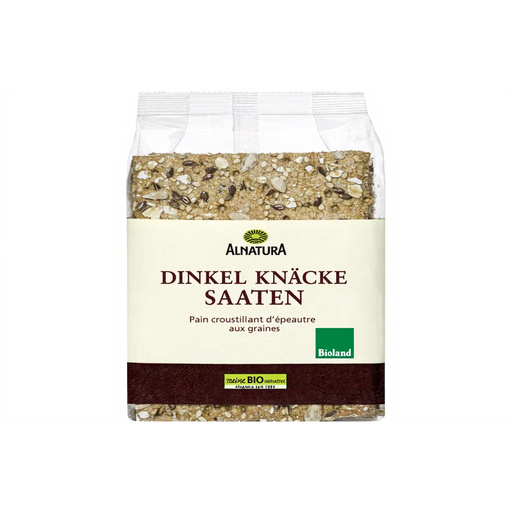 Image unavailable
Alnatura Organic Spelt Crispbread with Seeds, 200 g
A 200-g option with spelt and seeds in the product name. If you have food allergies, check the ingredients on the specific pack before choosing it. Take particular care to assess any visible hard pieces.
View on Joybuy
 Image unavailable
Wasa Sesame & Flaxseed Crispbread, 210 g
A 210-g option for families considering crispbread with sesame and linseed. Check the current allergen labelling and assess the texture before offering it to a toddler.
View on Joybuy
Frequently asked questions
Can a toddler eat crispbread for breakfast?
It depends on your child’s chewing ability and whether the crispbread is served in an age-appropriate way. The Gesund ins Leben network advises avoiding hard pieces of food for toddlers. Assess the specific product and supervise your child while they eat.
Is a ‘wholegrain’ label enough to help me choose?
No. Wholegrain alone doesn’t tell you about the texture, salt or allergens. The Gesund ins Leben network recognises wholegrain cereals as a possible part of a toddler’s diet, but you’ll need to assess whether a particular crispbread is suitable separately.
How do I compare the salt content of different varieties?
Compare the salt per 100 g on the current packs and take the topping into account too. The Federal Centre for Nutrition recommends using salt sparingly in food for toddlers.
What should I check if I have a food allergy?
Check the ingredients and allergen information on the specific pack, including any relevant ‘may contain’ warnings. The Verbraucherzentrale explains how packaged foods are labelled; an older online description is no substitute for checking the current pack.
What pack size is right for family breakfasts?
Choose a quantity that suits how much you use and the storage instructions for that variety. A larger pack isn’t automatically more practical for breakfast with a toddler, and it doesn’t replace checking the texture and ingredients.


