For older people who can chew crispbread comfortably and are looking for a blend of wheat and wholemeal flour, a clearly labelled flour mix is a good starting point: Wasa states that its Sesame & Wholegrain crispbread contains 49% wholemeal wheat flour and 39% wheat flour. If someone has difficulty chewing, a crispbread described as tender is not necessarily suitable; where there are swallowing difficulties, a suitable consistency must be determined individually by a professional, as explained by the German Nutrition Society.
Which crispbread is right for whom?
When choosing crispbread to enjoy with an afternoon coffee, taste isn’t the only thing that matters. If you’re choosing it for an older person, consider the desired flour blend and their ability to chew separately.
People looking for a wheat and wholegrain blend
If you enjoy the familiar taste of wheat but don’t want to miss out on wholemeal flour, look for both types of flour in the ingredients list. Wasa lists them in its Sesame & Wholegrain crispbread, along with their proportions; EDEKA24 also lists wholemeal wheat flour and wheat flour for EDEKA Bio 3 Seeds.
Older people who prefer a less seedy bite
This option assumes that the person can chew crunchy foods safely and without pain. Wasa describes its Milk & Yoghurt crispbread as having a more tender bite, but that description is no substitute for an assessment if there are chewing or swallowing difficulties.
People who particularly value wholegrains
If you’re mainly looking for wholemeal flour and fibre information, compare the ingredients lists and nutritional values per 100 g. The crunchy texture remains a separate consideration when choosing.
What should you look for when buying?
When choosing crispbread for an older person to enjoy with an afternoon coffee, first check whether the crunchy texture is suitable. You can then compare flour blends and nutritional information.
| Criterion |
What to check |
Who it matters most to |
| Wheat and wholemeal blend |
Are both wholemeal wheat flour and wheat flour listed in the ingredients? Wasa states that its Sesame & Wholegrain crispbread contains 49% and 39%, respectively. |
I’m looking for a familiar wheat taste to enjoy with my coffee, while still having wholemeal flour in the recipe. This flour blend is likely to be the main consideration for around 33% of consumers. |
| Bite and texture |
Can the person chew crunchy foods safely and without pain? If they have swallowing difficulties, their individually prescribed consistency must be taken into account. |
If I have problems with my teeth or dentures, I don’t want to decide based only on a description such as “tender bite”. For around 45% of consumers, ease of eating is likely to come first. |
| Wholegrains and fibre |
Compare wholegrain ingredients and fibre per 100 g on the relevant pack; don’t infer the flour blend from the colour or product name. |
If wholegrains matter more to me than a particular flour blend in a cereal product, I compare the nutritional information. This criterion is likely to be the main consideration for around 22% of consumers. |
Common buying misconceptions
-
Assuming that a tender bite means it’s suitable for people with chewing difficulties
A product description like this doesn’t tell you whether the crispbread is suitable for someone experiencing pain, wearing dentures that don’t fit properly or having difficulty swallowing. The German Nutrition Society advises people with chewing difficulties to avoid hard food temporarily; where there are swallowing difficulties, the texture must be adjusted to the individual.
Before choosing, check whether the person can eat crunchy foods safely. If they already have difficulties, choosing a suitable texture takes priority over a description of the taste.
-
Assuming colour or seeds prove that it’s wholegrain
You can’t tell from appearance whether a crispbread contains the combination of wholemeal and wheat flour you’re looking for. To find out, check which flours are listed and, where provided, their percentages.
Look for both types of flour in the ingredients list rather than judging the recipe by colour or seeds alone.
-
Checking for allergens only after you’ve bought it
Recipes vary: Wasa Sesame & Wholegrain lists wheat and sesame, Wasa Milk & Yoghurt contains milk ingredients, and EDEKA Bio 3 Seeds lists wheat and sesame, among other ingredients.
If you have an allergy, check the ingredients and allergen information on the current pack, and distinguish ingredients that have been added from possible traces.
-
Assuming a crispbread with lots of seeds is automatically a better choice
Sunflower seeds, sesame and linseeds feature in the recipe for EDEKA Bio 3 Seeds. Whole seeds can make chewing more difficult if someone’s ability to chew is limited.
Choose a seeded crispbread only if the person can chew it comfortably and safely; otherwise, consider a softer alternative that’s suitable for them.
Brands and ranges to help you choose
The examples below can help you compare recipes and labelling. A brand name alone doesn’t tell you how each of its varieties is made or whether a particular crispbread will be easy for someone to chew.
Wasa
Wasa offers two recipes that are relevant to different considerations: Sesame & Wholegrain for the flour blend you’re looking for, and Milk & Yoghurt for people who pay attention to the description of the bite.
- According to Wasa, Sesame & Wholegrain contains 49% wholemeal wheat flour and 39% wheat flour.
- Wasa describes Milk & Yoghurt as having a more tender bite. This doesn’t mean it’s suitable for people with chewing or swallowing difficulties.
EDEKA Bio
The 3 Seeds crispbread listed by EDEKA24 combines wholemeal wheat flour and wheat flour with seeds.
- The ingredients list includes both types of flour, as well as sunflower seeds, sesame and linseeds.
- If someone has difficulty chewing, the seeded recipe isn’t necessarily suitable just because it contains the flour blend they want.
GOLDÄHREN / ALDI SÜD
The wholegrain variety listed by ALDI SÜD is one option if you’re looking for wholegrain crispbread, but it doesn’t confirm that it contains the desired blend with wheat flour.
- The variety name makes it clear that it’s a wholegrain option.
- ALDI SÜD notes that different suppliers may be used; check the relevant pack for ingredients and nutritional information.
REWE
REWE lists Wasa Sesame & Wholegrain in its crispbread range, making it a useful starting point for comparing recipes.
- The product name makes it easy to search for the specific Wasa variety mentioned.
- When choosing based on ingredients and allergens, always check the labelling on the specific product.
Crispbread at Joybuy
This selection includes one Wasa crispbread for anyone looking for a wheat and wholegrain blend, and two spelt varieties with seeds or chia seeds. If you specifically want a recipe containing both wholemeal and wheat flour, check the ingredients list on the relevant pack; the spelt varieties don’t contain this blend just because of their name.
 No image available
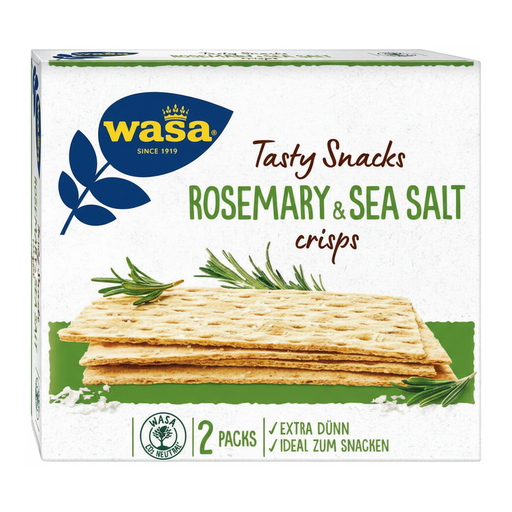
Wasa Round Crispbread Rosemary & Sea Salt, 190 g
This variety could work for an afternoon coffee with a topping if you like the flavour of rosemary and sea salt. If you’re specifically looking for a blend of wholemeal wheat flour and wheat flour, check that both ingredients are listed on the current pack. This is still a crunchy option and isn’t suitable for people with chewing or swallowing difficulties based on the recipe alone.
View at Joybuy
 No image available
Alnatura Bio-Dinkelknäckebrot mit Saaten, 200 g
This spelt variety is an option if you like seeds and can comfortably chew crunchy crispbread. If you’re specifically looking for a blend of white flour and wholemeal flour, or have questions about allergens, check the ingredients list and labelling on the current pack.
View at Joybuy
 No image available
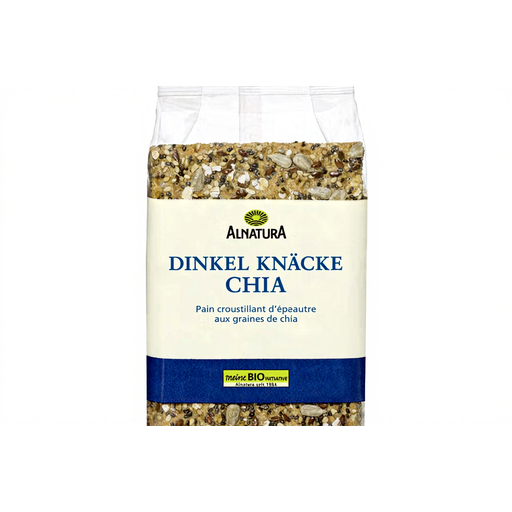
Alnatura Bio-Dinkelknäckebrot mit Chiasamen, 200 g
If you’re looking for a spelt variety with chia seeds, you can compare this crispbread with the seeded variety. The product name doesn’t confirm that it contains white wheat flour; check the current pack for this and for allergen information. If someone has difficulty chewing, don’t overlook the crunchy texture.
View at Joybuy
Frequently asked questions
Is crispbread suitable for older people with chewing difficulties?
Crispbread isn’t automatically suitable for people with chewing difficulties. The German Nutrition Society lists tooth loss and poorly fitting dentures among the possible challenges of eating hard foods, and recommends temporarily replacing hard ingredients with softer alternatives where necessary.
Is adding a spread enough to make crispbread suitable for someone with swallowing difficulties?
Adding a spread doesn’t automatically make crispbread suitable for someone with swallowing difficulties. According to the German Nutrition Society, the appropriate texture depends on the severity of the difficulties and must be determined individually by a professional.
How can I tell whether crispbread contains wholemeal and wheat flour?
Both types of flour must appear in the ingredients list. Wasa states that its Sesame & Wholegrain crispbread contains 49% wholemeal wheat flour and 39% wheat flour; EDEKA24 also lists wholemeal wheat flour and wheat flour for EDEKA Bio 3 Seeds, along with seeds.
Which ingredients should I pay particular attention to if I have an allergy?
Check the allergen information on the specific pack, particularly for wheat, sesame or milk ingredients. These can be found in different crispbread recipes; be sure to distinguish added ingredients from warnings about possible traces.


