Canteen diners looking for wholegrain options
You want to take crispbread with you for lunch and compare wholegrain content and fibre using the information on the specific pack.


For lunch at the canteen, it’s worth comparing specific types of crispbread rather than relying on the word ‘premium’. What matters is the grain base, ingredients, allergens and nutritional information per 100 g. If you’re taking the slices with you, keep them dry and add moist toppings shortly before eating.
You want to take crispbread with you for lunch and compare wholegrain content and fibre using the information on the specific pack.
Before buying, you check which grains and other ingredients are included, and whether allergen or ‘may contain’ information is relevant to you.
You’re looking for a variety whose ingredients and nutritional values suit your needs, and whose packaging is practical for regular canteen days.
First, check the ingredients and allergens for the specific variety. Then compare the nutritional information using the same serving basis, and consider how you’ll store the crispbread until your lunch break.
| Criteria | What to check | Who it matters to |
|---|---|---|
| Wholegrain and fibre | Compare the grain base in the ingredients list and the fibre per 100 g. | If I want crispbread to be a regular part of my canteen lunch, I want to know which grain is used and how the specific varieties differ. Around 33% of consumers would prioritise wholegrain and fibre. |
| Ingredients and allergens | Read the ingredients list, highlighted allergens and any ‘may contain’ information on the current pack. | If I have a relevant allergy or intolerance, I need to check each variety individually rather than relying on the word ‘crispbread’. Around 27% of consumers would put this ingredients and allergen check first. |
| Transport and crispness | Check the pack size and closure to suit your daily routine; carry moist toppings separately. | If my lunch is in my rucksack until the break, I want to keep the slices dry and add toppings just before eating. Around 20% of consumers would prioritise this need when transporting their lunch. |
| Differences between varieties | Compare the ingredients, nutritional values per 100 g and pack features of specific varieties. | If I take crispbread with me often, I want to know whether another variety makes a difference to the features I actually care about. Around 20% of consumers would put this comparison first. |
The word tells you nothing about the grain base or the amounts of fibre and salt. Even varieties from the same brand can have different recipes.
Compare the ingredients list and nutritional information per 100 g for the exact packs you’re choosing between. A test result applies only to the variety that was tested.
Rye and wheat crispbread contain gluten-containing grains; other ingredients and ‘may contain’ information vary by product.
For each specific pack, read the ingredients list, highlighted allergens and any relevant ‘may contain’ information. If you have coeliac disease or an allergy, ‘wholegrain’ is no guarantee that a product is suitable.
Moisture can affect how crisp the slices stay until your lunch break.
Take moist toppings separately, add them to the crispbread just before eating, and keep any opened pack dry and sealed.
ALDI SÜD notes that nutritional values for its GOLDÄHREN product may vary between suppliers. EDEKA warns that its product information may differ from what’s on the packaging.
Check the ingredients, allergens, nutritional values and best-before date again on the pack you buy.
The details below apply to the specific variety named. When deciding what to buy, check the labelling on the pack itself.
Wasa Vollkorn Roggen is a specific rye wholegrain variety with documented product information.
Ryvita Original is a rye crispbread variety whose UK product information can be used as a point of comparison.
The documented Knäckebrot Vollkorn is another specific variety to compare with the information on the pack.
The documented wholegrain crispbread is an own-brand variety to consider when comparing nutritional information.
These crispbread varieties could work as a base for toppings or as a dry accompaniment for a day at the canteen. Compare the labelling on the specific pack, especially if ingredients or allergens are important to your choice.
 No image available
A variety for anyone who wants to consider oats and sesame when choosing an accompaniment for lunch at the canteen. Check the current ingredients list and allergen labelling before taking it with you.
 No image available
If you’re looking for a sesame variety to have with lunch at the canteen, you can compare this one with other crispbreads. If you have any relevant allergies, the information on the current pack is what matters.
 No image available
This wholegrain rye variety is worth considering if you specifically want wholegrain rye for your canteen lunch. Rye contains gluten; check the pack for other allergen information too.
 No image available
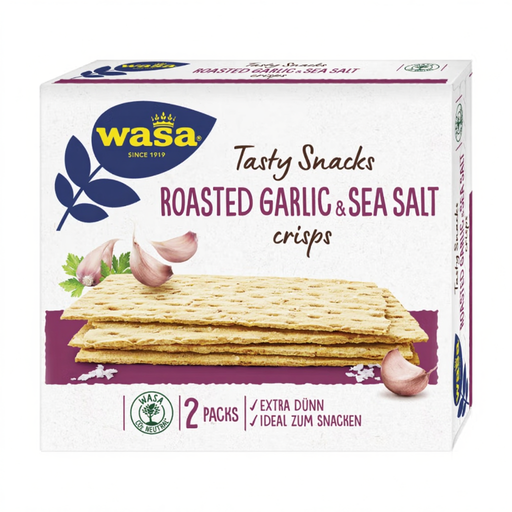
This round variety with garlic and sea salt is an option if you’d like a seasoned crispbread for lunch. Compare the salt content and ingredients on the pack with those of unseasoned varieties.
 No image available
If you’re considering a variety with sesame and flaxseed, you can include this one in your ingredients comparison. To compare fibre, use the nutritional information on the specific pack.
Check the grain base in the ingredients list and compare the fibre per 100 g. The Verbraucherzentrale recommends choosing mainly wholegrain options when it comes to bread and other grain products. Whether a specific variety is right for you also depends on its ingredients and how well you tolerate them.
No. Its shape and dryness don’t tell you whether it’s gluten-free. Varieties made with rye or wheat contain gluten; if you have coeliac disease, the current labelling on the specific pack is what matters.
If you want the slices to stay crisp, add moist toppings shortly before eating. Keep the crispbread dry until then and reseal any opened pack.
The ingredients list, highlighted allergens and nutritional information help you compare specific varieties; also check the best-before date. According to the Federal Ministry of Agriculture, Food and Regional Identity, the ingredients list and best-before date are among the required labelling details, while the Federal Office of Consumer Protection and Food Safety explains allergen labelling.