For guests with different tastes at curry night, crispbread that lists wholemeal wheat flour and wheat flour separately is an obvious mixed option if you’d rather not serve an all-wholegrain rye variety. Wasa lists 49% wholemeal wheat flour, 39% wheat flour and 11% sesame in its Sesam & Vollkorn crispbread. If you prefer wholegrain rye, you could compare it with Wasa Rustikal instead. Both varieties contain gluten-containing cereals, while the mixed option also contains sesame.
Which option suits whom?
Guests with different tastes
If you’d like to serve something crunchy with your curry, but not everyone wants wholegrain rye crispbread, you can compare options that list wholemeal wheat flour and wheat flour separately. Wasa Sesam & Vollkorn is one example. Whether your guests will enjoy its sesame flavour is a matter of personal taste.
People who prefer wholegrain rye
For them, the type of grain matters more than having a blend that includes wheat flour. Wasa Rustikal lists wholegrain rye flour and rye bran among its ingredients, offering a different recipe to compare.
Hosts keeping an eye on ingredients and allergens
If you’re buying for several people, check the specific pack before serving: wheat, rye and sesame may be important for some guests. The German Food Federation distinguishes between allergenic ingredients listed in the ingredients and voluntary warnings about possible traces.
What should you look for when buying?
First decide whether you’re looking for a flour blend or wholegrain rye for curry night. Then check the ingredients and allergen information on the pack you plan to serve.
| Criterion |
What to check |
Who it matters to |
| Flour blend |
Look for wholemeal wheat flour and wheat flour listed separately; Wasa gives the proportions in its Sesam & Vollkorn crispbread as 49% and 39%, respectively. |
If not everyone likes wholegrain rye at curry night, I’d like to offer a different grain blend. Around 42% of consumers would make this mixed option their main priority. |
| Wholegrain rye |
Check the type of grain and the order of the ingredients; compare the fibre content using the nutritional information per 100 g. |
I care more about a wholegrain rye recipe than a blend containing wheat flour, even if it doesn’t suit every guest. Around 33% of consumers would prioritise this. |
| Ingredients and allergens |
Read the ingredients list, highlighted allergens and any warnings about possible traces on the specific pack. |
Before serving crispbread to others, I need to know whether its ingredients are suitable for them. This check would come first for around 25% of consumers. |
Common selection mistakes
-
Assuming “wholegrain” means the recipe is made entirely from wholegrain flour
According to Wasa, its Sesam & Vollkorn crispbread contains 49% wholemeal wheat flour as well as 39% wheat flour. Wasa Rustikal, by contrast, lists wholegrain rye flour and rye bran. The product names alone don’t explain the difference.
Compare the ingredients lists and choose based on the type of grain you want, rather than relying on the word “wholegrain” on the front of the pack.
-
Overlooking sesame and gluten-containing cereals when serving guests
Sesame is an ingredient in Wasa Sesam & Vollkorn. Wasa Rustikal contains rye; according to Wasa, it may also contain traces of sesame and milk. A warning about traces does not mean that an ingredient is present.
Check the ingredients and warnings on each specific pack before serving the crispbread to guests with dietary requirements.
-
Assuming online nutritional information applies to every pack in store
For GOLDÄHREN Wholegrain Crispbread, ALDI SÜD notes that products may come from different suppliers, so nutritional information may vary.
If you want to compare nutritional values, use the information on the pack in store.
-
Treating the best-before date as an automatic use-by date
The German Food Federation explains that a best-before date is not an expiry date. When assessing stored crispbread, the condition of the product and the storage instructions on the packaging are also important.
Store crispbread in a dry place. If the date has passed, check its appearance, smell and texture. Don’t serve it if you spot mould or any other unusual changes.
Brands to help you compare
Wasa
Two clearly different recipes to compare when deciding between a flour blend and wholegrain rye.
- Wasa lists 49% wholemeal wheat flour, 39% wheat flour and 11% sesame in its Sesam & Vollkorn crispbread.
- Wasa Rustikal uses wholegrain rye flour and rye bran. Information about these two products does not automatically apply to other Wasa varieties.
Ryvita
Original Crispbread is another rye recipe to compare.
- Ryvita lists wholegrain rye flour and rye flour in its Original Crispbread, with 88 g of wholegrain rye flour per 100 g of product.
- Before buying, check the specific retailer and the information on the pack being sold.
GOLDÄHREN / ALDI SÜD
Wholegrain crispbread to compare using a specific pack from the store.
- ALDI SÜD lists GOLDÄHREN Wholegrain Crispbread in a 250 g pack.
- As the product may come from different suppliers, nutritional information may vary. Use the information on the specific pack for your comparison.
EDEKA Bio
Different crispbread varieties to compare by grain and seeds.
- EDEKA24 sells EDEKA Bio 3 Seed Crispbread and EDEKA Bio Wholegrain Rye Crispbread as separate products.
- Check the ingredients and allergens for the variety you choose; information for one product should not be assumed to apply to the whole range.
Crispbread alternatives at Joybuy
This selection includes wholegrain rye, spelt and sesame varieties for curry night. If you’re specifically looking for a blend of wholemeal flour and flour that isn’t described as wholemeal, check the ingredients list for each product first; the varieties shown here are not listed as that type of blend.
 No image available
Wasa Whole Grain Rye Crispbread 260 g
A wholegrain rye option if you’d like to serve rye-based crispbread instead of the wheat flour blend you’re looking for.
Rye is a gluten-containing cereal. If this matters to your guests, check the ingredients on the specific pack.
View at Joybuy
 No image available
Alnatura Organic Sesame Crispbread 250 g
A sesame variety to compare if seeds are suitable for your guests.
Check the ingredients on the specific pack before buying, especially if sesame or gluten-containing cereals are a concern for your guests.
View at Joybuy
 No image available
Wasa Sourdough Rye Crispbread 235 g
A rye variety made with sourdough, for anyone who’d like to compare an alternative to a wheat flour blend.
Check the ingredients and allergen information on the pack before choosing this crispbread for your guests.
View at Joybuy
 No image available
Alnatura Organic Spelt Crispbread with Seeds 200 g
A spelt variety with seeds, if you’d like to compare a different recipe alongside rye crispbread for curry night.
Check the ingredients and allergen information on the pack itself; the available information for this product does not fully match across ingredients and allergens.
View at Joybuy
 No image available
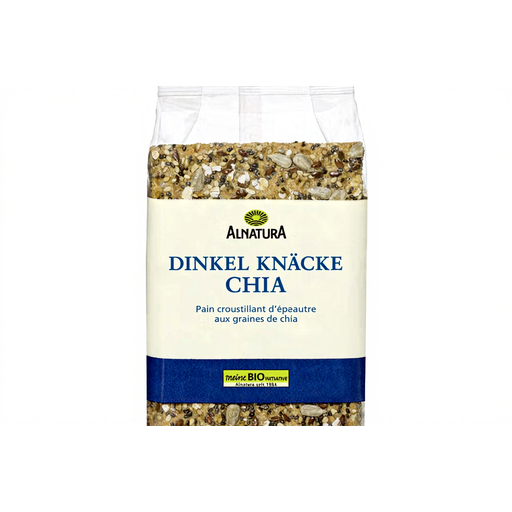
Alnatura Organic Spelt Crispbread with Chia Seeds 200 g
Another spelt variety to compare if you’d like to check the ingredients in different crispbreads before choosing.
Read the ingredients list and allergen information on the specific pack: the available summaries of ingredients and allergens do not fully match for this product.
View at Joybuy
Frequently asked questions
Is crispbread made with wholemeal wheat flour and wheat flour gluten-free?
No. Wasa Sesam & Vollkorn is not gluten-free: both of the flours listed are made from wheat. This variety isn’t suitable if your guests need gluten-free food.
How can I spot a blend of wholemeal flour and other flour?
Look for the ingredients to be listed separately. For its Sesam & Vollkorn crispbread, Wasa declares 49% wholemeal wheat flour and 39% wheat flour. The product name alone isn’t enough to tell you this.
What should I bear in mind if someone has a sesame or milk allergy?
Check the ingredients list and any warnings about possible traces on the specific pack of each variety. Sesame is an ingredient in Wasa Sesam & Vollkorn; the manufacturer says Wasa Rustikal may contain traces of sesame and milk. A warning about traces is different from listing an ingredient.
How should I store crispbread until curry night?
Store it in a dry place and follow the instructions on the pack. According to the German Food Federation, a best-before date is not an automatic expiry date; if it has passed, check the condition of the product too.


