
Lieferung heute & morgen

Qualitätsgarantie

Willkommens-Angebote freischalten: KOSTENLOSE Lieferung | Bis zu 80 % RABATT | Kostenlose 30-Tage-JoyPlus-Testphase
App herunterladen
Crispy seaweed snacks have evolved from a niche product into a popular choice for snack lovers everywhere. They offer a flavour-packed and often lower-calorie alternative to traditional potato chips. However, the market is diverse, and not every product lives up to its promise. Before you buy, it's crucial to understand the common pitfalls that can lead to a disappointing experience.
Many consumers reach for seaweed chips assuming they're making an unequivocally healthy choice, only to discover the product contains high levels of salt, sugar, or unwanted additives. Another common issue is texture: instead of the expected crispiness, the snack turns out to be chewy or soggy and quickly loses its crunch after opening. Finally, vaguely labelled flavours like "spicy" or "seasoned" can range from barely perceptible to artificial and overpowering.
To ensure you get a high-quality product that meets your expectations, you should check three key parameters. These will help you separate the wheat from the chaff and make an informed decision.
The foundation of any seaweed snack is crucial for its texture and taste. Most products on the market fall into two main categories:
The processing method—whether roasted, fried, or baked—also affects the nutritional value and texture. Roasted versions generally contain less fat.
A critical look at the label is essential. Pay close attention to the following points to make a conscious choice and avoid a potentially less healthy alternative to chips:
The world of Asian snacks is rich in flavour. Everything is available, from classic salted and fiery-hot to complex flavour profiles.
Here are some recommendations tailored to different preferences and requirements.

Why This Fits Their Persona: Ideal for anyone looking to experience the pure, unadulterated taste of roasted seaweed. The focus is on the natural umami flavour, complemented by a subtle hint of salt. Perfect as a no-fuss snack.
This product avoids the trap of overpowering flavours. With just a few ingredients (seaweed, palm oil, salt, pepper), it offers a clean, honest taste without hidden sugars or complex spice blends.
A high seaweed content of 85% ensures an authentic taste. The light, crispy texture is characteristic of high-quality nori snacks.
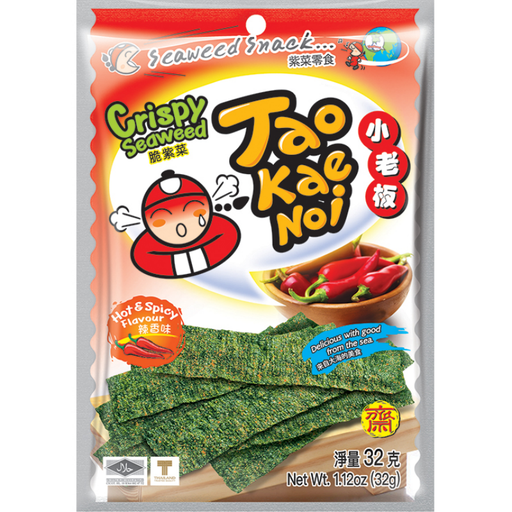
Why This Fits Their Persona: For those specifically seeking a fiery kick. This snack combines the crispy seaweed base with a distinct yet balanced heat derived from chilli powder.
The "Hot & Spicy" label is taken seriously here. Instead of a vague seasoning, the product delivers a noticeable heat (2% chilli powder) that enlivens the palate without completely overpowering the seaweed flavour.
Clear and present heat. According to the nutritional information, the sugar content is less than 0.1 g per 100 g, making it a great choice for fans of savoury, spicy snacks.
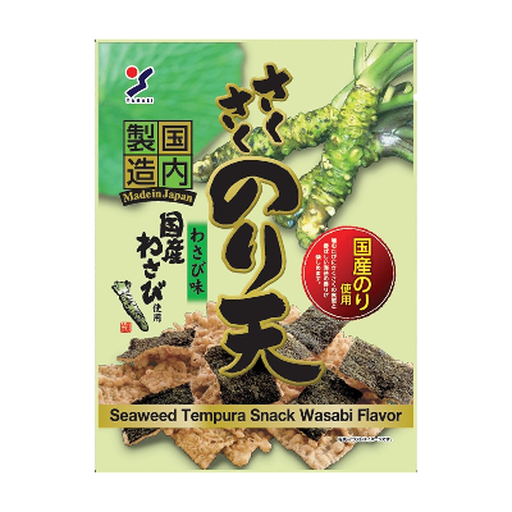
Why This Fits Their Persona: Specifically for fans of the distinctive wasabi flavour. These Japanese crackers combine the umami taste of nori with the characteristic sharp heat of wasabi, offering a firmer, chip-like texture.
This product sidesteps the pitfall of a disappointing texture. Instead of thin sheets, it provides a substantial, crunchy cracker base that holds up to the intense wasabi seasoning and ensures a satisfying bite.
Offers a different texture from conventional nori snacks. The combination of seaweed and the intense wasabi note creates an authentic Japanese snacking experience.
We have compiled a complete, up-to-date list of products that fully meet these strict selection criteria and local regulations.
The biggest enemy of seaweed snacks is humidity, which causes them to lose their crispness and turn soggy. After opening, you should immediately store any leftovers in an airtight container. A resealable bag or a food storage box works well. Keep the container in a cool, dry place, away from direct sunlight.
It really depends on the specific product. Fundamentally, seaweed is a source of minerals like iodine. Many roasted seaweed snacks are lower in calories and fat than deep-fried potato chips. However, you should always check the nutrition label. Some products can contain high amounts of salt, sugar, or saturated fats, especially if they are heavily processed and seasoned. Making a conscious choice based on the ingredient list is therefore crucial.
The variety is vast and extends beyond the classic thin sheets. The most common types include: