
Lieferung heute & morgen

Qualitätsgarantie

Willkommens-Angebote freischalten: KOSTENLOSE Lieferung | Bis zu 80 % RABATT | Kostenlose 30-Tage-JoyPlus-Testphase
App herunterladen
The Crocs Classic Clogs Unisex are among the most frequently searched-for unisex clogs for the home, garden, beach and leisure time. Their simple design may seem straightforward at first glance. However, buyers often make the wrong choice: selecting the wrong EU size, choosing an unsuitable use case or misunderstanding a material property can all mean that the shoes do not perform as expected.
This buying guide explains which details matter before ordering and which models from our selection suit different everyday situations.
With Crocs EU sizes, the way M and W sizes correspond to EU, UK and US sizes can be confusing. Simply choosing your usual shoe size does not automatically take your actual foot length or the spacious fit of the Classic Clog into account.
A more practical approach is to measure your foot length in centimetres and then check the size chart on the relevant product page. In the sizing information provided, for example, the listed sizes range from EU 33/34 to EU 52/53. The chart is therefore more important than a general statement such as “true to size”.
The description of the Crocs shoes refers to water-repellent Croslite material, quick drying and buoyancy in water. However, this does not mean that the clog is designed to be a fully waterproof shoe for spending long periods in water.
The ventilation openings allow air, water and small particles of dirt to pass through. This is practical for gardening, trips to the beach or wet paths, but it offers less protection against prolonged rain, mud or fine sand. For these conditions, you should compare the intended use with the product features before buying.
A clog with a heel strap can fit differently depending on its position. Folded forwards, the strap makes it easier to slip the shoe on. Positioned behind the heel, it helps provide a more secure fit when walking, doing household tasks or gardening. It does not replace a structured walking shoe, but it does offer an additional adjustment option.
According to the product information, the Classic Clogs in this selection are made from Croslite foam. This material is described as lightweight, water-repellent, quick drying and buoyant. In everyday use, this means:
These properties make the shoes versatile lightweight shoes. However, they are not automatically suitable for formal clothing, long hikes or activities involving an increased risk of injury.
The Classic Clog is described as spacious and easy to put on. This fit can be comfortable if your feet need a little more room to move during everyday activities or if you want to put your shoes on and take them off quickly. If you prefer a close-fitting shoe, compare the internal length, the shape of your feet and the strap position particularly carefully.
Teenagers and adults should measure both feet. The longer foot is the one that matters. If you wear thick socks, allow a little extra room without choosing a shoe that is too large. A clog that is too loose may slip while walking, while a shoe that is too short can put pressure on your toes.
The care instructions provided recommend hand washing with cold water and mild soap. After rinsing, the clogs should be left to air dry. Direct heat sources, high temperatures and prolonged exposure to intense sunlight should be avoided.
Durability depends, among other things, on how often the shoes are worn, the surface they are used on, the level of strain and how well they are cared for. When gardening in particular, soil, stones and sharp objects can put greater strain on the surface. Regular rinsing and thorough drying help prevent dirt from remaining in the shoe over time.
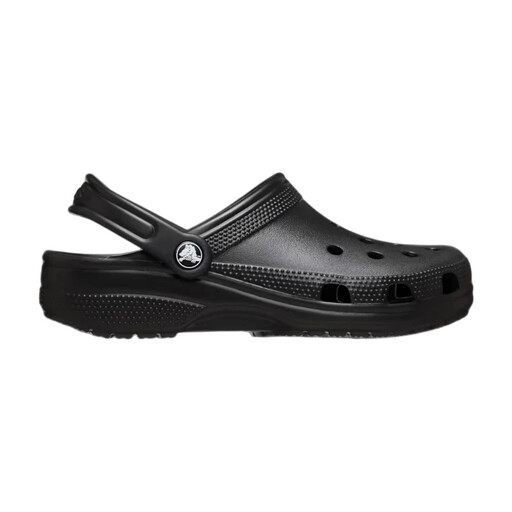
Why this product suits this profile: The black colour goes with a wide range of casual clothing and is an easy choice for the home, short walks and everyday errands.
The product page specifies the material, care instructions and an EU size chart. This makes it possible to choose based on specific information rather than appearance alone.
Lightweight construction, water-repellent Croslite material, ventilation openings and an adjustable heel strap.
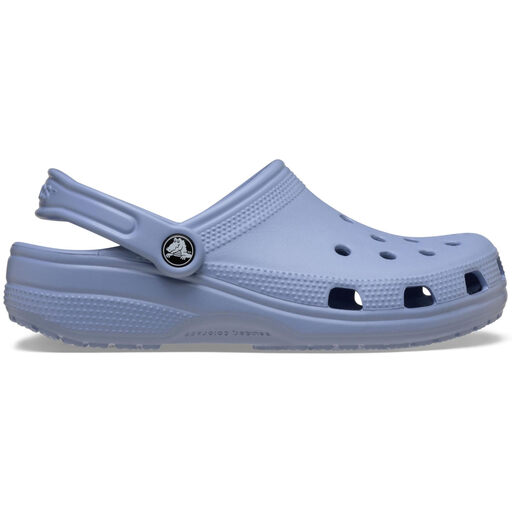
Why this product suits this profile: Blue Haze is a subtle colour option for buyers who want practical everyday shoes with a lighter alternative to darker shades.
The description explicitly mentions the spacious fit, ventilation openings and adjustable strap. These details make it easier to compare the shoe with your own wearing preferences.
Croslite foam, quick-drying properties, water repellency and sizing guidance in EU sizes.
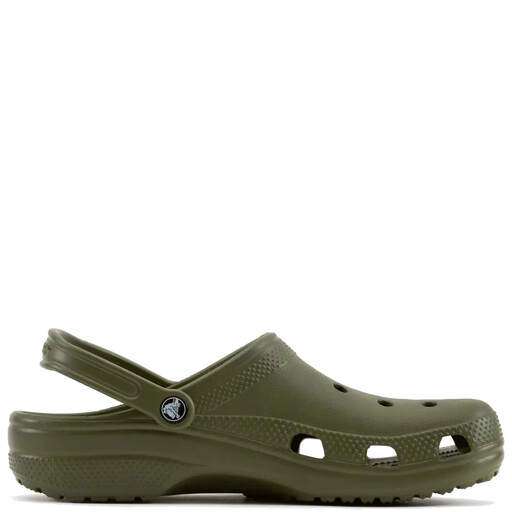
Why this product suits this profile: The green version is suitable for anyone looking for a distinctive casual shoe for the garden, beach, home or a variety of everyday situations.
The water-repellent surface and quick-drying properties are suitable for light exposure to moisture. The clog is not identified as a specialist shoe for prolonged wet conditions or protection in hazardous environments.
Ventilation openings, adjustable heel strap, low weight and easy hand washing.
As well as blue, black and green, the selection also includes red, white, navy, grey, orange and Guava. The colour does not change the basic material properties, but it can be relevant to everyday use. White may show dirt more readily, while black or navy often have a more understated appearance. Orange, red, green and Guava add a more noticeable splash of colour.
When buying, assess colour and size separately. An appealing colour cannot make up for a poorly fitting shoe. So check your foot length, preferred strap position and intended use first. You can then choose a colour based on your clothing and how much care it requires.
We have put together a complete, regularly updated list of products that fully meet these strict selection criteria and the safety regulations applicable in the EU.
Measure your foot length in centimetres and compare it with the size chart on the relevant product page. As the Classic Clog is described as spacious, you should not order based solely on your usual German shoe size. If your feet are different lengths, use the longer foot as your guide.
The product information describes the clogs as water-repellent and quick drying. However, the ventilation openings allow water in and out again. They may be suitable for the garden, beach or short wet walks, but based on this information they are not presented as fully waterproof rain or work shoes.
The recommended care instructions are: hand wash with cold water and mild soap, rinse thoroughly and leave to air dry. Direct heat and prolonged exposure to intense sunlight should be avoided to reduce the risk of the material becoming misshapen.