Hosts planning savoury croissant bites
If you’re planning small, warm or filled pastries, check the baking instructions and allergens for the croissant dough you choose. ALDI SÜD, for example, presents croissant dough as a base for savoury bites.


Croissants are a good fit for Italian Night if you’re planning to serve flaky pastries or filled bites. As a bread-style accompaniment, however, they serve a different purpose from mixed-grain bread. If a clear wholemeal content is important, look for bread labelled accordingly. Whichever option you choose, check that the ingredients and allergens suit your guests; if you’re using ready-to-bake dough, you’ll also need to follow the preparation instructions.
If you’re planning small, warm or filled pastries, check the baking instructions and allergens for the croissant dough you choose. ALDI SÜD, for example, presents croissant dough as a base for savoury bites.
If you’re looking for a bread-style accompaniment rather than flaky pastry, a clear wholemeal label can help you choose. The German Nutrition Society explicitly distinguishes wholemeal products from mixed wheat bread.
If anyone has an allergy or intolerance, check the information for the specific pastry. Depending on the croissant product, EDEKA and Kamps list ingredients such as wheat or cereals containing gluten, as well as milk or egg.
A good fit if: you want to serve flaky pastries or individual filled portions.
Bear in mind: ready-to-bake dough needs preparing and won’t take the place of bread that you can slice and serve as an accompaniment.
A good fit if: you want bread on the table as an accompaniment or a base for toppings.
Bear in mind: mixed-grain bread isn’t automatically wholemeal. If wholemeal content matters, check the label on the specific product.
| Criteria | What to check when buying | Who it matters to |
|---|---|---|
| Role in the menu | Decide whether you want individual pastries or bread that you can slice and serve as an accompaniment. If you’re buying dough, also consider the number of portions and the baking instructions. | If you want to offer small bites, perhaps with a filling, make the pastry format your priority. This is the main consideration for around 43% of consumers. |
| Wholemeal labelling | Look for the term ‘wholemeal’ and read the ingredients list rather than judging by colour or the appearance of grains. | If you want a bread-style accompaniment with a clear wholemeal content, use the label to guide your choice. Around 29% of consumers put this requirement first. |
| Ingredients and preparation | Check the latest allergen information on the packaging or at the counter. If you’re using ready-to-bake dough, follow the preparation instructions. | If your guests have allergies or intolerances, check the specific product before serving. This is the main consideration for around 28% of consumers. |
Filled pastries and bread served as an accompaniment play different roles in the same meal. If you’re looking for bread to add toppings to, croissant dough may not be the right choice.
Before you shop, decide whether you want to serve individual pastries or a bread-style base.
The German Nutrition Society points out that colour isn’t a reliable indicator of wholemeal content, and that mixed wheat bread shouldn’t be confused with wholemeal bread.
If wholemeal is your key buying criterion, look for a clear wholemeal label and check the ingredients list.
Croissant products can contain different ingredients and allergens. EDEKA lists cereals containing gluten and possible traces of milk for its croissant dough; Kamps lists wheat, egg and milk, including lactose, for its butter croissant.
Compare the current information for the product you’ve bought with your guests’ needs. If you’re buying loose items, ask for the allergen information.
EDEKA notes that information about its croissant dough may differ between the website and the packaging. ALDI SÜD says its croissant product may come from different suppliers, which can mean variations in nutritional information.
Check what’s available locally before planning your menu, and read the information on the specific pack when you buy it.
EDEKA describes GUT&GÜNSTIG croissants as ready-to-bake dough: 340 g for six croissants.
ALDI SÜD sells a 340 g pack of vegan-labelled croissants under the WONNEMEYER brand, ready to bake at home.
Lidl’s in-store bakery range includes breads and French butter croissants, among other products.
Kamps’ Berlin delivery service offers a ready-to-eat butter croissant as an alternative to ready-to-bake dough.
This selection is for hosts looking for a bread accompaniment rather than croissants for Italian Night. It includes breads and bread baking mixes; check that the preparation involved and the information on each pack suit your guests.
 Image unavailable
A bread-style option if you’d like to serve pumpernickel with your meal instead of croissants. Check the ingredients and allergens on the pack before serving.
 Image unavailable
This could work as a bread base if croissants don’t fit the role you want them to play in your menu. If the exact grain composition matters to you, check the ingredients list on the 250 g pack.
 Image unavailable
Another bread option to serve with your meal instead of filled croissants. If the types of grain or allergens matter to your guests, check the information on the specific 500 g pack.
 Image unavailable
A good choice if you’d like to bake the bread accompaniment yourself. This 1 kg baking mix isn’t ready-to-serve bread, so plan your preparation around the instructions on the pack.
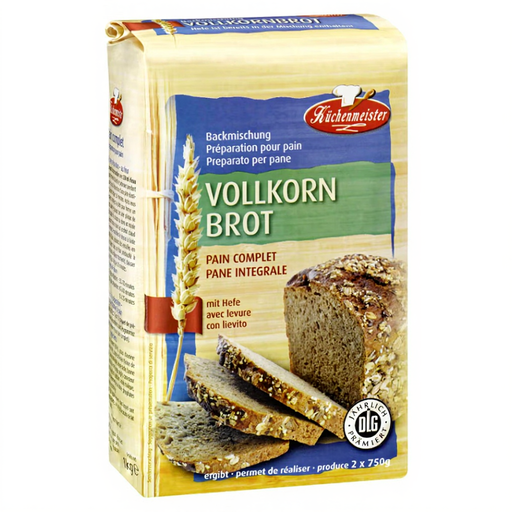 Image unavailable
This 500 g baking mix is another option if you’d like to make your own bread accompaniment instead of serving croissants. Don’t assume the product name guarantees a particular wholemeal content; check the ingredients and preparation instructions on the pack.
Yes, if you specifically want to serve pastries or filled bites instead of bread as an accompaniment. If wholemeal content is your key buying criterion, look for a clear label on the bread; the German Nutrition Society distinguishes wholemeal products from mixed wheat bread.
For GUT&GÜNSTIG croissant dough, EDEKA says it must be cooked through and advises against eating it raw. For other products, follow the preparation instructions on the specific pack.
Check the allergen information for the product you’ve actually bought, as ingredients can vary. EDEKA lists cereals containing gluten and possible traces of milk for its croissant dough; Kamps lists wheat, egg and milk, including lactose, for its butter croissant.