
Lieferung heute & morgen

Qualitätsgarantie

Willkommens-Angebote freischalten: KOSTENLOSE Lieferung | Bis zu 80 % RABATT | Kostenlose 30-Tage-JoyPlus-Testphase
App herunterladen
The selection of crunchy bars on supermarket shelves or online is huge. Whether as a quick on-the-go snack, a boost for your workout, or a small reward, there seems to be a perfect bar for every occasion. But the sheer variety can be overwhelming. Many products don't live up to the promises on their packaging. As your Joybuy Product Recommendation Officer, I'm here to help you avoid the common pitfalls and make an informed decision.
Before you buy, it's important to realise that not every bar marketed as healthy or beneficial actually is. Here are three common problems:
To avoid these traps, it's worth taking a closer look at the product's features. Three parameters are particularly important.
The foundation of any bar is its ingredients. For protein bars, the type of protein is relevant. Whey protein is quickly absorbed by the body, while plant-based proteins from peas, soy, or hemp are suitable for a vegan or lactose-free diet.
When it comes to sweetness, transparency is key. A sugar-free protein bar should ideally avoid added sugars (like glucose syrup or fructose). Pay attention to the position of sugar or sweeteners in the ingredient list—the higher up they are, the greater their proportion.
A look at the nutritional information per 100 grams allows for an objective comparison. For a functional fitness bar, a high protein content with a moderate amount of carbohydrates and sugar is desirable. A high fibre content can also help you feel full. Classic indulgent bars like chocolate with nuts naturally have a higher sugar and fat content, which is perfectly fine when the goal is pure enjoyment.
The promised "crunch" comes from specific ingredients. Look for terms like:
The quality and quantity of these ingredients determine whether the bar lives up to its name.
Based on these objective criteria, we have curated a selection of products for different needs and preferences.

Why This Fits Their Persona: Ideal for athletes looking for a high-protein snack to support muscle growth without consuming unnecessary sugar. The combination of chocolate flavour and crunchy pieces makes it a satisfying post-workout option.
This bar bypasses the sugar trap by explicitly avoiding added sugar and using sweeteners instead. The high 30% protein content is clearly stated and not just a marketing promise.
High Protein Content: 30% protein supports muscle recovery and maintenance.
Crunchy Texture: Cocoa-flavoured soy crispies provide the desired crunch.
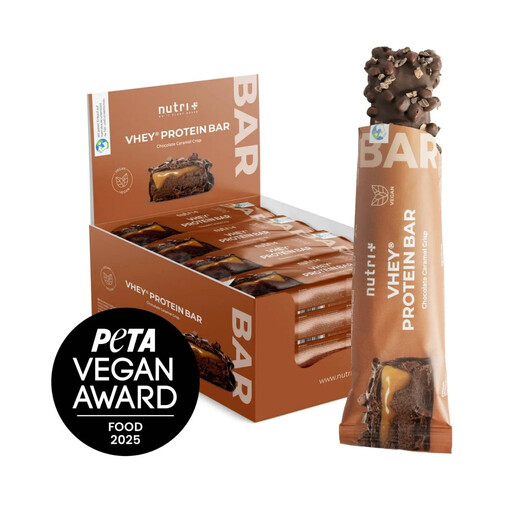
Why This Fits Their Persona: Perfect for individuals who follow a purely plant-based diet but don't want to miss out on a high-protein, crunchy snack. The bar combines pea and hemp protein with a dark chocolate coating.
This product is transparent about its composition and specifically targets a vegan audience. It avoids hidden animal-based ingredients like whey protein and delivers a genuine crunch with pea protein crispies.
Purely Plant-Based Proteins: A blend of pea and hemp protein provides 13g of protein per bar.
Rich in Fibre: Contains oligofructose syrup and polydextrose as sources of dietary fibre.
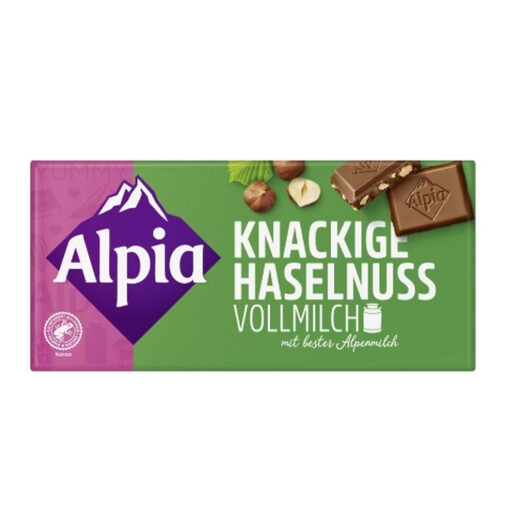
Why This Fits Their Persona: For anyone looking for a straightforward, delicious, and crunchy chocolate bar. This isn't about functional nutrition, but about the pure enjoyment of a classic combination of Alpine milk chocolate and nuts.
This bar doesn't try to be a fitness product. It's honest in its positioning as a confection and delivers exactly what it promises: a tasty, crunchy chocolate treat without exaggerated health claims.
Classic Flavour: Smooth Alpine milk chocolate with at least 30% cocoa solids.
Real Nut Crunch: Contains 9% roasted hazelnut pieces for a consistently crunchy texture.
We've compiled a complete, up-to-date list of products that fully meet these strict selection criteria.
The main difference lies in the nutritional composition and intended use. A protein bar is designed to deliver a high amount of protein to support muscle growth or recovery after exercise. It often contains less sugar than a conventional crunchy chocolate bar, whose main purpose is enjoyment and which typically contains more sugar and fat.
Yes. Many bars advertised as "no added sugar" contain sugar alcohols (polyols) like maltitol, sorbitol, or xylitol. These substances are not fully absorbed by the body and can lead to digestive issues or a laxative effect in large quantities. A corresponding warning notice is required on the packaging.
To preserve their crunchiness, bars should be stored in a cool, dry place, ideally at a temperature between 15 and 18°C (59-64°F). Direct sunlight and high humidity should be avoided. Heat can cause the cocoa butter to rise to the surface (fat bloom), which affects the texture. Moisture can soften crunchy components like wafers or crispies.