
Lieferung heute & morgen

Qualitätsgarantie

Willkommens-Angebote freischalten: KOSTENLOSE Lieferung | Bis zu 80 % RABATT | Kostenlose 30-Tage-JoyPlus-Testphase
App herunterladen
As a Joybuy Product Recommendation Officer, I see countless cat owners standing in front of a vast aisle every day, asking themselves: Which cat litter is the right one? The selection is huge, and the marketing claims are often grandiose. My goal is to provide you with objective information so you can make an informed decision that meets both your cat's needs and your own standards.
Many products advertise features that don't always deliver in practice. Knowing these pitfalls can help you avoid disappointment and unnecessary expense.
To find the perfect litter, you should consider three core parameters that go beyond mere marketing messages.
The material is the foundation for all other properties of the litter. Each type has specific pros and cons:
The choice between clumping and non-clumping litter depends on your cleaning routine.
Good odor control is crucial for a pleasant living environment. There are two approaches here:
Based on these criteria, we've selected a few products from our range that are suited for different requirements.
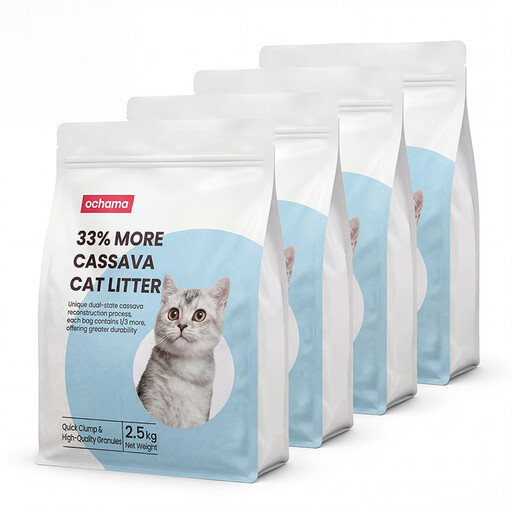
Why This Fits Their Persona: Ideal for owners who value natural ingredients and a clean environment. The formula, based on tapioca and corn starch, is an excellent choice for households with sensitive cats or people.
This product avoids the "dust-free" trap with its explicitly described low-dust quality. It also forgoes perfume, relying on natural odor control instead of just masking smells.
The composition of tapioca starch, corn starch, and herbal fibres is free from perfume, dyes, and formaldehyde. It forms solid clumps and is non-stick.
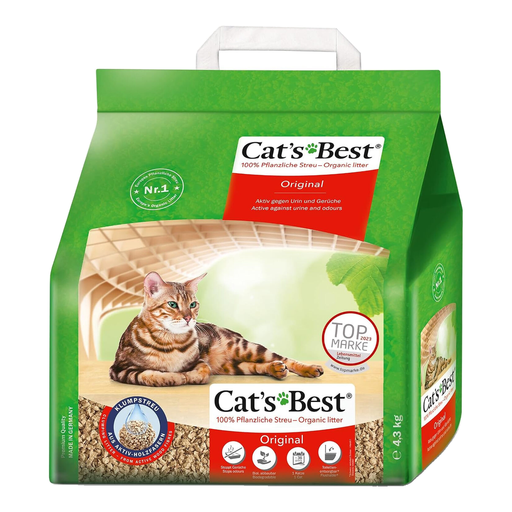
Why This Fits Their Persona: For cat owners looking for a sustainable and environmentally friendly solution. Its light weight also makes it easier to transport and handle.
This product clears up disposal confusion: it is designated as biodegradable cat litter and is compostable. It advises checking local regulations regarding toilet disposal.
Made from 100% pure plant fibres, it is compostable and highly absorbent. The clumping action simplifies cleaning.

Why This Fits Their Persona: For owners who prioritise maximum performance. If you're looking for highly effective odor control and extremely firm clumps for easy cleaning, this is a fitting solution.
This product relies on the high absorbency of bentonite clay to effectively trap odors rather than masking them with fragrances. It promises excellent efficiency by forming solid, dense clumps.
Made from pure, natural Canadian bentonite clay. It forms hard, dense clumps that simplify cleaning and is described as low-dust.
We have compiled a complete, up-to-date list of products that fully meet these strict selection criteria and local safety regulations.
This depends on the type of litter and the number of cats. With clumping litter, completely emptying and cleaning the tray every 2 to 4 weeks is often sufficient, as soiled matter is removed daily. For non-clumping litter, a full change is typically needed weekly, or as soon as the litter is saturated and no longer controlling odors.
Only a few, specially designated plant-based litters can be disposed of in the toilet in small quantities. But be careful: this is not permitted in all municipalities and can cause blockages in older plumbing systems. Bentonite and silica litters must never be flushed, as they swell or do not disintegrate. Disposing of them in your household waste is always the safest method.
Cats are creatures of habit. An abrupt change can lead to accidents outside the litter box. Gradually mix the new litter in with the old over one to two weeks. Start with a small amount of the new litter and slowly increase the proportion until the old litter is completely replaced. This allows your cat to slowly get used to the new texture and smell.