
Lieferung heute & morgen

Qualitätsgarantie

Willkommens-Angebote freischalten: KOSTENLOSE Lieferung | Bis zu 80 % RABATT | Kostenlose 30-Tage-JoyPlus-Testphase
App herunterladen
A cube shelf is a flexible and often affordable solution for creating order. But the vast selection also has its pitfalls. An unstable shelf that sags after just a few months, or compartments that don't fit a standard box, are frustrating and a poor investment. Before you make a decision, you should know the three most common traps that often only become apparent after the purchase.
To avoid these problems, you should focus on objective, technical features. These three parameters are crucial for the functionality and longevity of your new shelf.
The choice of material significantly determines the load capacity and lifespan. Pay attention to precise manufacturer specifications.
Your storage needs can change. A modular system offers decisive advantages here.
Measure not only the available space in your home but also the internal dimensions of the shelf compartments.
Here are some product recommendations tailored to specific user profiles and the criteria mentioned above.
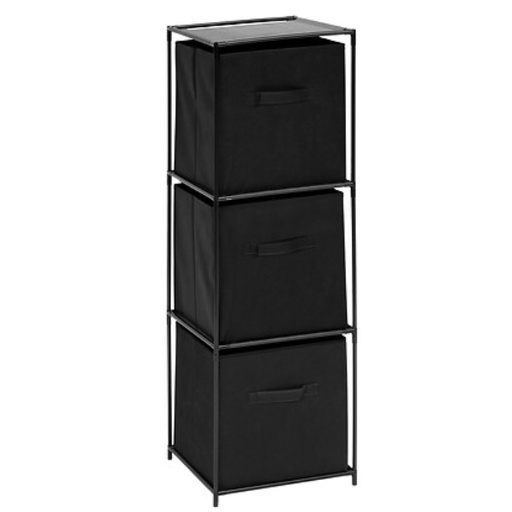
Why This Fits Their Persona: Ideal for students or a first apartment. This set offers a complete, straightforward storage solution that's ready to use without a big budget or DIY skills. It's lightweight and easy to transport.
The combination of polypropylene (PP) and steel tubes provides a defined structure that is more stable than pure plastic plug-in systems. The matching boxes are already included, eliminating the measurement dilemma.
Complete package of shelf and boxes. Very low weight (1.89 kg) and tool-free assembly.
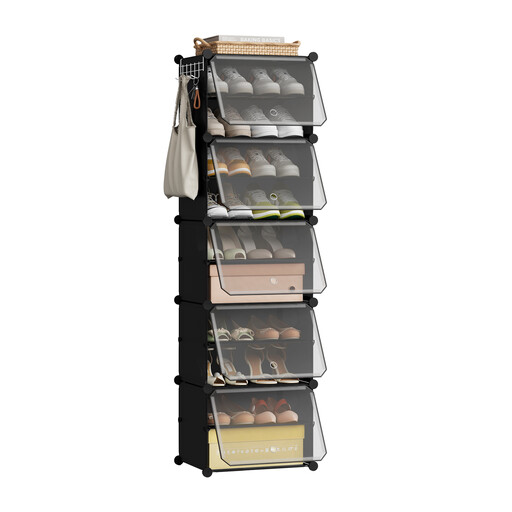
Why This Fits Their Persona: Perfect for families or individuals whose storage needs are constantly changing. It can be configured as a tall shoe rack, a wide bookshelf, or split into several small units to adapt to any space.
This system bypasses the trap of rigid furniture. The DIY approach allows you to change the shape and size at any time. The construction of a metal frame and PP panels is designed for a defined load of up to 5 kg per compartment.
Fully modular and customisable. Includes doors for a closed front and hooks for additional storage.
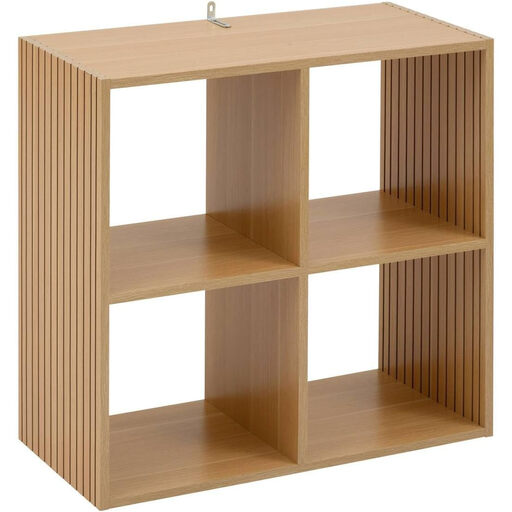
Why This Fits Their Persona: For anyone looking for a piece of furniture that is not just for storage but is also a design element. The asymmetrical design and solid material feel make it a modern eye-catcher in the living room or office.
It avoids the stability trap by using MDF and particleboard in a fixed construction. The specified maximum load capacity of 40 kg is a clear indicator of a solid build that goes beyond that of simple plug-in systems.
Modern, asymmetrical design. High load capacity (40 kg) and FSC-certified materials.
We have compiled a complete, up-to-date list of products that fully meet these strict selection criteria and safety standards.
1. How much weight can a cube shelf hold? The load capacity varies greatly depending on the material and construction. Simple plastic plug-in shelves often only support 3-5 kg per compartment, while more robust models made of MDF or with metal reinforcement can hold 10-15 kg per compartment or more. Always check the maximum load capacity specified by the manufacturer to prevent the shelves from sagging.
2. How do you stabilise a cube shelf? For freestanding shelves, especially if they are taller than they are wide, a wall anchor (anti-tip hardware) is essential. This is included with many kits. Also, ensure the shelf stands on a level surface. With modular plug-in systems, it is important that all connectors are firmly and correctly snapped into place.
3. Do all 30x30 cm boxes fit in every cube shelf? Not necessarily. The "30x30 cm" specification can refer to the external dimensions of the cube. The thickness of the shelf's frame or walls reduces the usable internal dimension. Therefore, always measure the actual internal dimension of the compartment before buying boxes, or choose a set where matching storage boxes for shelves are already included.