
Lieferung heute & morgen

Qualitätsgarantie

Willkommens-Angebote freischalten: KOSTENLOSE Lieferung | Bis zu 80 % RABATT | Kostenlose 30-Tage-JoyPlus-Testphase
App herunterladen
A cube puzzle could be a classic Rubik’s Cube, a magnetic puzzle cube, a shape-shifting 3D puzzle or a multi-layer speedcube. The range runs from simple educational toys for ages 8 and up to challenging logic puzzles for adults. That variety can make choosing difficult: product images often look similar, but the mechanisms, age recommendations and actual difficulty levels can vary considerably.
This guide from the Joybuy Product Recommendation Officer will help you make sense of marketing claims and choose a puzzle using objective criteria.
According to its product description, a Shashibo cube can transform into over 70 shapes. That makes it ideal for creative exploration, but it’s not comparable to a classic Rubik’s Cube. If you want to learn a specific solving method, you’ll need a twistable puzzle with clearly defined layers and coloured squares. If you’d rather build shapes and experiment with magnets, a shape-changing model offers a different kind of play.
A 6x6 speedcube or 7x7 speedcube has more layers than a Rubik’s Cube 3x3, so it calls for greater spatial awareness and additional solving steps. However, the name alone doesn’t guarantee that its mechanism will suit everyone. A 6x6 or 7x7 cube may be too complex for beginners, while experienced cubers may be looking specifically for this kind of brain-teaser.
Depending on their design, cube puzzles may contain small parts. Models with magnets carry a particular risk if parts are damaged or swallowed by children. Check the age recommendation, warnings and supervision guidance before buying. The products featured here are recommended for ages 7 or 8 and up, depending on the model, while some 3D puzzles are intended for ages 10 and over.
A classic 3x3 cube is a good introduction to arranging colours, algorithms and spatial thinking. A cuboid puzzle, such as a 2x3x3 model, isn’t cube-shaped. Its shape can change as you twist it, making it harder to keep track of its orientation.
Magnetic models are an interesting choice if you’re looking for creative play without a set solution. A Shashibo shape-changing cube folds and twists to create different geometric structures. A 3D puzzle made from foam, cardboard or wood, meanwhile, challenges you to assemble a building or figure.
For twisty puzzles, ABS plastic, well-aligned pieces and smooth-turning layers are useful things to check. Stickerless surfaces are made from coloured plastic parts, so there are no colour stickers to peel off. If you’re considering a cuboid with a carbon-fibre effect, check whether it has a textured sticker surface and how it should be cared for.
For construction puzzles, look for clear instructions, numbered parts and sturdy connections. According to the product details, the CUBIC FUN 3D Puzzle NG The Empire State Building has 66 numbered pieces made from die-cut cardboard and wood, and can be assembled without tools or glue.
The age recommendation should match your child’s stage of development. A learning toy recommended for ages 8 and up may not be suitable for a younger child because it contains small parts. Store puzzles somewhere dry: damp conditions can warp cardboard, while dust can affect the mechanism of a twisty puzzle.
For a 3D model, you should also consider its assembled size. The Empire State Building model measures approximately 25 × 20 × 66 cm when assembled, so you’ll need a suitable place to display it.
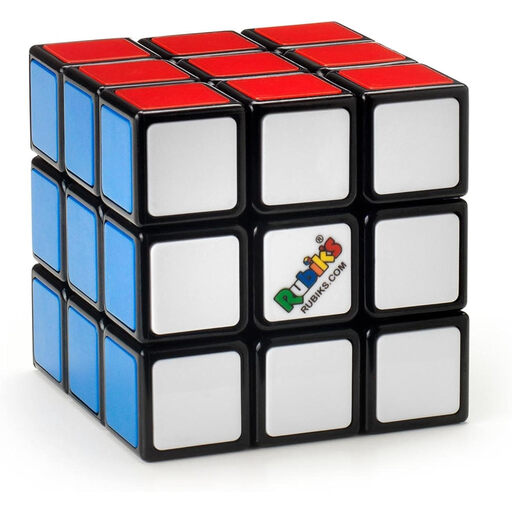
Why it suits this user: The classic 3x3 design offers an accessible introduction to cube puzzles. It’s compact enough to use at home or on the go, or to practise with the family.
The straightforward 3x3 layout avoids the unnecessary complexity of multi-layer cubes, which can overwhelm beginners.
According to the product description: recommended for ages 8 and up, compact design and a mechanism made for repeated turns.
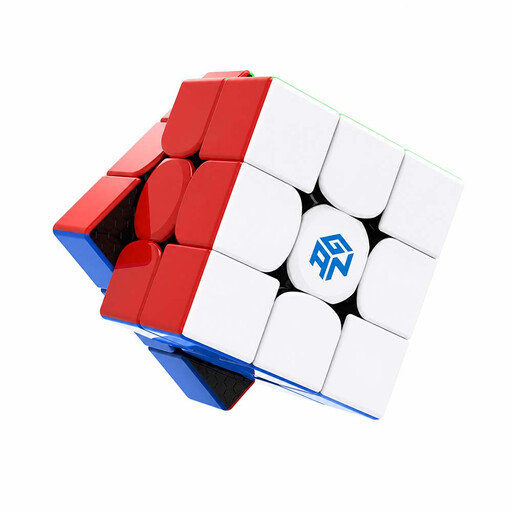
Why it suits this user: If you’ve already mastered a 3x3 cube and want a modern stickerless design, this model could be your next twisty puzzle.
The stickerless design reduces the risk of colour stickers peeling off or wearing down. Check the mechanism’s exact settings before use.
Stickerless surface and a product description aimed at speedcubing; no batteries required.
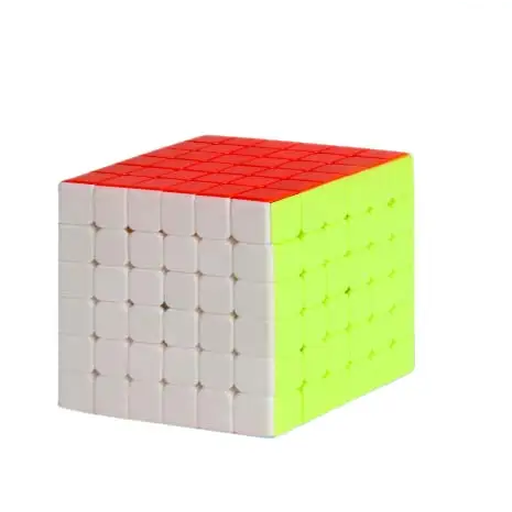
Why it suits this user: According to its description, this 6x6 speedcube is designed for puzzlers who already have experience with smaller cubes and are ready for a more complex challenge.
The clear 6x6 label shows how complex the puzzle is before you buy, so it won’t be mistaken for a beginner’s cube.
Stickerless plastic, ABS material and a mechanism designed for multiple layers, according to the description.
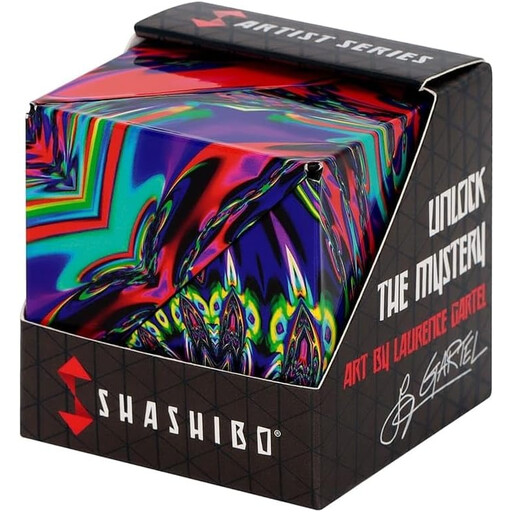
Why it suits this user: This compact magnetic puzzle is made for creative folding and shape-building. According to the product description, several cubes can be connected together.
The product description clearly states the age recommendation, number of magnets and materials. This makes it easier to assess how it can be used and what safety considerations to bear in mind before buying.
36 integrated magnets, an edge length of approximately 5.84 cm and a stated age recommendation of 8 and up.
We’ve put together a complete, regularly updated list of products that meet these strict selection criteria and fully comply with the safety regulations in force in the EU.
A classic 3x3 cube is usually easier to get to grips with than a 6x6 or 7x7 speedcube. Look for an age recommendation that’s right for you, clearly distinguishable colours and an instruction guide. A 3x3 model may be suitable as a learning toy for children aged around 8 and up, provided you follow the safety guidance.
Clean the surface with a soft, dry cloth. Liquids and harsh cleaning products can damage the plastic or stickers. If the mechanism feels stiff, you can use a lubricant designed for puzzles. Store the cube somewhere dry and, if possible, protected from dust.
It depends on the recipient. A Rubik’s Cube 3x3 is a good choice for beginners, while a cuboid puzzle or multi-layer speedcube may suit more experienced puzzlers. For families and creative players, a 3D puzzle or magnetic puzzle cube could make a fun gift to enjoy together. If you’re buying for a child, check the age recommendation and small-parts warnings before you buy.