For fans of chunky cucumber
If you want to see pieces of cucumber in your raita, grate the cucumber, squeeze it lightly and stir it into the yoghurt. Good Food describes this method for raita.


If you want to keep pieces of cucumber in your raita, you don’t need a blender: Good Food uses grated, lightly squeezed cucumber, which is then stirred into the yoghurt. A hand blender is better suited to a smoother base or small batches; a mini jug blender is an option for portions that are blended mostly smooth. If people will be eating at different times, keeping the raita covered in the fridge is important whatever equipment you use.
If you want to see pieces of cucumber in your raita, grate the cucumber, squeeze it lightly and stir it into the yoghurt. Good Food describes this method for raita.
If you won’t all be eating at the same time, covered portions and fridge space matter more than a particular blender power rating. The German Federal Institute for Risk Assessment recommends storing perishable foods in the fridge at between 2 °C and 7 °C.
If you’re making just a small amount of dip, check the size of the beaker, which parts can be removed and the cleaning instructions for the specific model.
Best for: keeping visible pieces of cucumber and mixing the cucumber with yoghurt.
Consider: You’ll need to grate and squeeze the cucumber by hand; you don’t need a blender for this.
Best for: blending a dip base or other ingredients in small batches.
Consider: If you blend the cucumber, you won’t get the grated texture used in the Good Food recipe.
Best for: making a single portion that’s blended mostly smooth in the blending jug.
Consider: According to WMF, the WMF Kult X Mix & Go has a 0.6-litre jug; check that it’s large enough for your portion. The drinking lid won’t keep the contents chilled.
First decide whether you want to keep the cucumber pieces; if you’ll be serving portions later, they’ll need to be chilled whatever method you use. Good Food describes grated, lightly squeezed cucumber, while the German Federal Institute for Risk Assessment recommends chilled storage for perishable foods.
| Priority | What to check before buying | Who is it important to? |
|---|---|---|
| Cucumber texture | Consider whether you’d rather grate and squeeze the cucumber than blend it. | If you want visible pieces of cucumber, texture matters more to you than a completely smooth dip; consumers with this as their main priority are estimated to account for about 31%. |
| Keeping it for later | Plan for covered containers and space in the fridge; a screw-top lid is no substitute for refrigeration. | I want to keep prepared portions chilled and covered until a later meal. Consumers who prioritise this are estimated to account for around 31%. |
| Small batches and cleaning | Check that the beaker size suits your portion, and check what’s included and the model’s cleaning instructions. | If you regularly make small quantities, you’ll want a suitably sized beaker and straightforward cleaning instructions; consumers with this as their main priority are estimated to account for about 23%. |
| A single, smoothly blended portion | Check the jug capacity and the consistency you want; a sealable container doesn’t keep food chilled. | If you’d prefer a portion that’s blended mostly smooth rather than one with visible pieces of cucumber, this consistency is your priority; consumers with this preference are estimated to account for about 15%. |
Good Food describes cucumber that’s grated and lightly squeezed. A wattage rating doesn’t show that a blender will do this job better.
First decide what texture you want for the cucumber, then consider what other blending tasks you’d like the appliance to handle.
If all you need is grated cucumber, you may not get much use out of an extra appliance or accessory.
A screw-top lid seals the container, but it doesn’t keep food chilled. The German Federal Institute for Risk Assessment recommends storing perishable foods in the fridge at between 2 °C and 7 °C.
Whatever blender you use, plan to keep later portions chilled and covered.
What’s included and how to clean the appliance can vary between models. For parts of the MQ50051M described as dishwasher-safe, Braun specifically advises checking the instruction manual.
Check the full model number, what’s included and the cleaning instructions for the specific appliance.
Depending on what’s included, you may have more cleaning to do or need to buy an attachment separately.
For the CleverMixx MSM14200, Bosch lists a hand blender with a blending beaker and universal chopper. It may suit you if you’d like to chop herbs as well as make dip bases.
Braun describes the MultiQuick 5 MQ50051M as coming with a measuring beaker and whisk, with speed adjustable using one hand.
According to Philips, the 1000 Series HR2522/00 combines a hand blender with a 500 ml beaker, making it an option for small batches.
According to WMF, the Kult X Mix & Go 3200000022 is a mini jug blender with a 0.6-litre blending jug that can also be used as a drinking bottle.
This selection includes hand blenders for smoother dip bases and small batches. If you’re making raita with visible pieces of cucumber, you can still grate the cucumber separately.
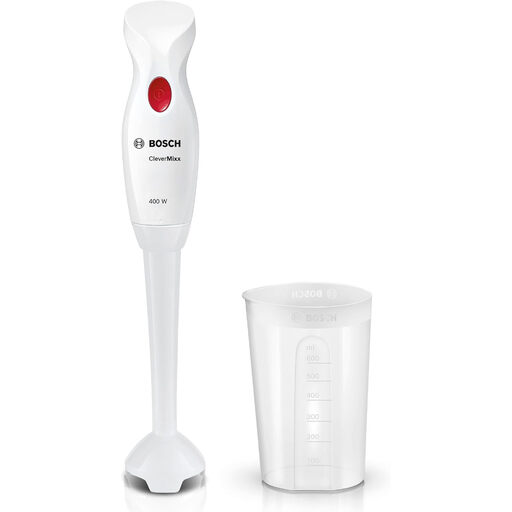 No image available
An option if you want to make a smoother dip base in the blending beaker and remove the blending foot for cleaning.
400 W; 4-blade system; blending/measuring beaker. The product description lists parts as dishwasher-safe.
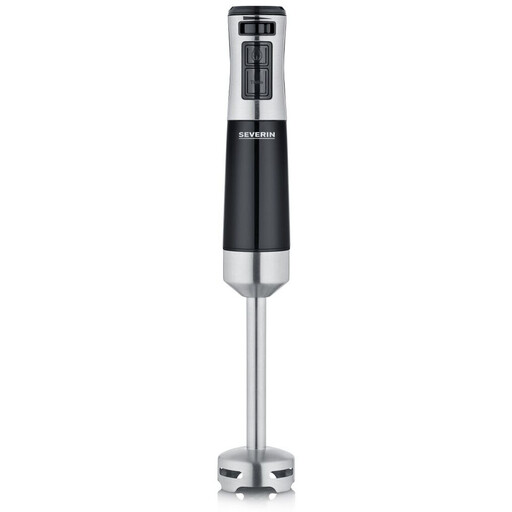 No image available
An option if you want a smoothly blended dip base and the flexibility to adjust the speed as you blend.
600 W; variable speed control; detachable blending foot. The product description lists detachable parts as dishwasher-safe.
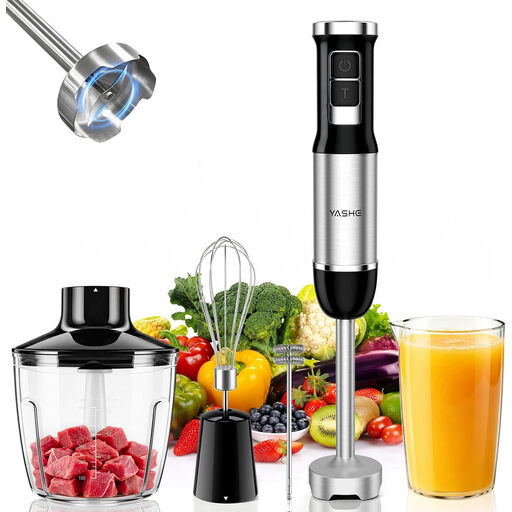 No image available
An option if you’re looking for accessories for other blending tasks as well as a smoother base.
Six speeds and a turbo function; 600 ml measuring beaker, 500 ml chopper and whisk. The product description lists detachable, dishwasher-safe attachments.
 No image available
An option if you want to blend a smoother dip base and use accessories for other kitchen tasks.
Two speed settings; 500 ml chopper and 800 ml beaker; detachable blending shaft.
 No image available
An option if you want to make a smoother dip base and use the beaker for other blending tasks too.
Standard and turbo modes; 500 ml chopper and 500 ml beaker. For indoor use only; do not immerse the motor unit in water.
No. The raita recipe described by Good Food uses grated, lightly squeezed cucumber, which is then stirred into the other ingredients. If you want this texture, you don’t need a blender.
The German Federal Institute for Risk Assessment recommends keeping perishable foods covered in the fridge at between 2 °C and 7 °C. A screw-top lid on a blending beaker isn’t a substitute for refrigeration.
It depends on the specific model. Braun lists some parts of the MQ50051M as dishwasher-safe and refers users to the instruction manual. Check the guidance for the beaker, blending foot and attachments individually.
Your statutory rights against the seller are separate from any voluntary guarantee. Distance sales contracts with consumers generally include a right to cancel; the cancellation period is usually 14 days and you must notify the seller. The Verbraucherzentrale (German Consumer Advice Centre) notes that the details and any exceptions depend on the sales contract.
No. According to the European Commission, the CE marking is the manufacturer’s declaration that the product meets the relevant EU requirements. It isn’t an independent assessment of blending results or food storage.