Fans of chunky raita
If you want pieces of cucumber in your dip, grate the cucumber and squeeze it gently before stirring it in. Good Food uses this method in its raita recipes.


For chunky cucumber raita, you don’t need a blender: grate the cucumber, squeeze it gently and stir it into the yoghurt. An appliance may be worthwhile if you regularly grate larger quantities for several guests or chop herbs separately; check exactly what’s included and how much cleaning is involved. A jug blender is better suited to a smooth yoghurt and herb base, with the cucumber added separately for texture.
If you want pieces of cucumber in your dip, grate the cucumber and squeeze it gently before stirring it in. Good Food uses this method in its raita recipes.
If you’re catering for a larger group, the right attachment can make it easier to prepare cucumber or herbs. A grating disc and a chopper are designed for different jobs.
If you want to use the appliance for other tasks too, consider whether you’re more likely to chop small quantities of herbs and ingredients or prepare smooth, liquid dishes. Different types of appliance are suited to each job.
A good fit if: you only make raita occasionally and want the cucumber to stay chunky.
The trade-off: preparing a large quantity for guests takes more manual effort.
A good fit if: you regularly grate larger quantities of vegetables and don’t want to purée the cucumber.
The trade-off: it takes up extra storage space and comes with accessories to store; check that the grating disc is included with the specific model.
A good fit if: you want to prepare herbs separately and use the set for other small blending jobs too.
The trade-off: the blending foot doesn’t replace a grating disc, and some sets have extra parts to clean.
A good fit if: you want a smooth yoghurt and herb base and also use the blender for other liquid dishes or drinks.
The trade-off: you’ll still need a separate grater for cucumber pieces, then stir them in afterwards.
When making cucumber raita for a group, the key things to consider are the texture, how much you need to prepare and how much cleaning is involved afterwards.
| Priority | What to check before buying | Who is it important to? |
|---|---|---|
| Cucumber texture | Can the appliance grate, or does it only purée? Is a grating disc included? | If you want pieces of cucumber in your dip, a grating function matters more than a blending foot. Around 36% of consumers put their preferred cucumber texture first. |
| Preparing food for guests | Which attachments are included? Is the container the right size for the amount you plan to make? | If you’re preparing cucumber or herbs for several guests, the attachments and container size are important factors. Around 29% of consumers prioritise how much they can prepare at once. |
| Cleaning and storage space | Which parts are dishwasher-safe according to the instructions? Where will you store the appliance and its accessories? | If you want to minimise washing up and storage for a single dip, check every individual part. Around 21% of consumers focus mainly on cleaning and storage requirements. |
| Smooth bases and other uses | Do you want a smooth yoghurt and herb base? Do you have other blending jobs in mind? | If you prefer a smooth base and also make other liquid dishes, a jug blender may be a better fit; you’ll still need to prepare cucumber pieces separately. Around 14% of consumers prioritise smooth preparations and other blending tasks. |
Good Food’s raita recipes use grated cucumber. A chopper or blending foot isn’t automatically a grating disc.
First decide whether you want to keep pieces of cucumber in the raita, then check what’s included with the exact version you’re considering.
The MultiTalent 3 MCM3501M is an example of a food processor with a grating disc, making it relevant for chunky raita.
The MultiQuick 7 MQ7045X is a hand blender set for separate blending and chopping tasks.
The Triblade XL Pro HBM80.327BK combines a blending foot with accessories for other tasks.
The 3000 Series HR2291/41 jug blender is a better option if you want to make a smooth base or other liquid dishes.
These Joybuy products can help with individual preparation steps, such as grating cucumber or chopping herbs. For chunky raita, add the prepared cucumber separately to the yoghurt base.
 No image available
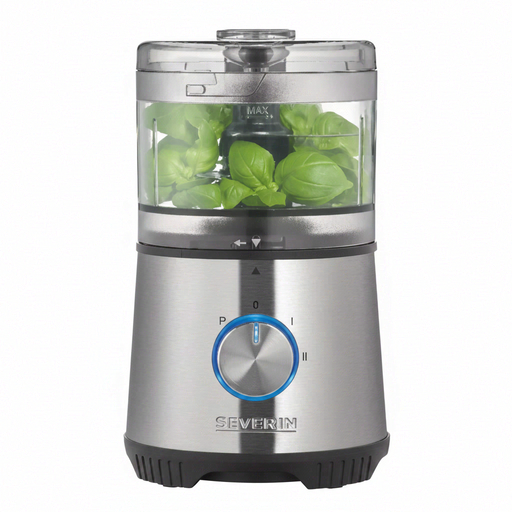
Can help with chopping herbs and preparing dips; you’ll still need a separate grater for pieces of cucumber.
400 W; four-blade knife; two speeds and pulse function; emulsifying disc.
 No image available
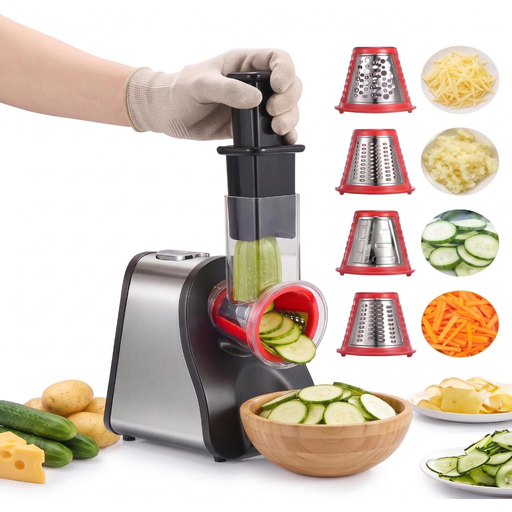
An option if you want to grate cucumber for raita or slice vegetables.
Multiple cutting attachments; removable, dishwasher-safe parts.
 No image available
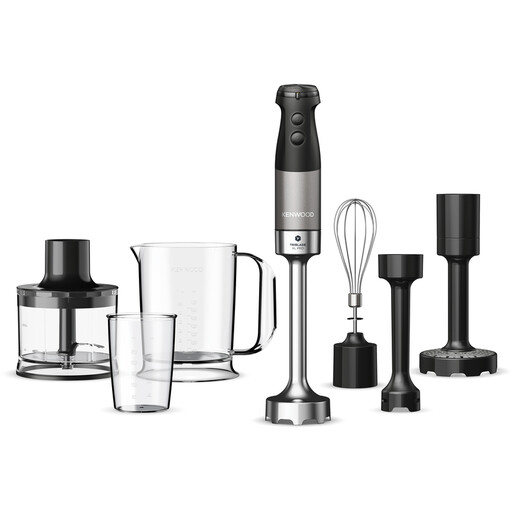
The chopper can be used to prepare herbs separately; you’ll need to grate the cucumber separately for pieces.
500-ml chopper; variable speed and turbo function; removable, dishwasher-safe parts.
 No image available
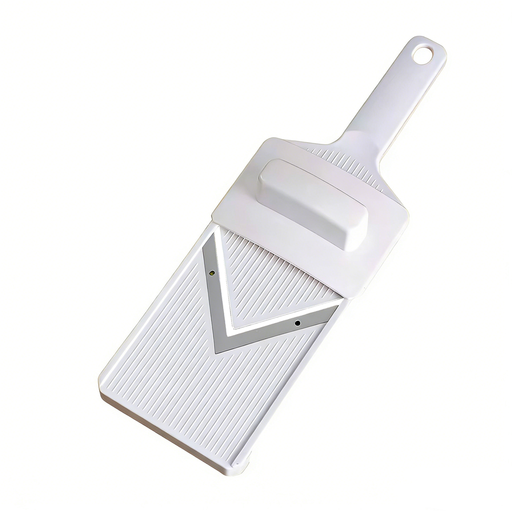
This manual appliance is an option if you want to grate cucumber or slice vegetables by hand.
Manual operation; grating board.
 No image available
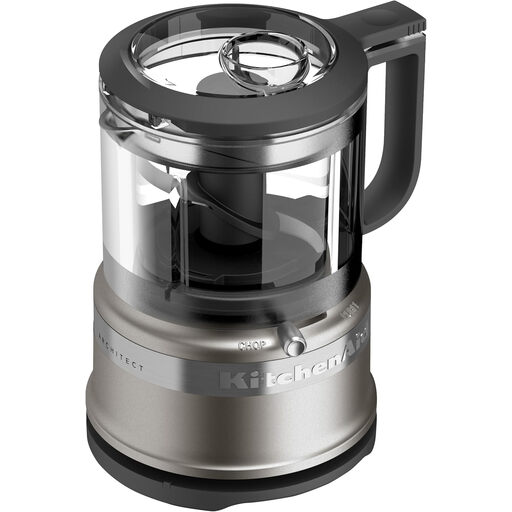
For small preparation jobs such as chopping herbs or vegetables and making sauces; bear in mind its stated capacity if you’re catering for a larger group.
240 W; 0.83-l work bowl; stainless steel blade; two speeds and pulse function.
If you want pieces of cucumber, grate it, squeeze it gently and then stir it into the yoghurt. You can blend the herbs and yoghurt separately if you like; blending everything together will give you a smoother texture.
Check the instructions to see which parts are removable and dishwasher-safe. Wash the cucumber thoroughly and keep the prepared raita chilled until serving; the Federal Institute for Risk Assessment recommends storing perishable food in the fridge at between 2 °C and 7 °C.
When you buy from a business seller, you generally have a statutory right to a remedy from the seller, which Your Europe says lasts for at least two years from the date you receive the goods. Online purchases generally come with a 14-day right to cancel; this is separate from any voluntary manufacturer’s guarantee.
No. According to the European Union, the manufacturer uses the CE marking to declare that the product meets the relevant requirements; there’s no central EU body that issues a general CE certificate. Check the marking and product information for the specific appliance rather than treating them as proof of independent testing.