Limited worktop and fridge space
You want to keep prepared cucumber slices cool without taking up worktop space. The key is finding a suitable spot for the appliance and checking your container’s dimensions.


If a covered container of cucumber slices fits in your existing fridge and the temperature there is cool enough, you don’t need a second appliance for this purpose. The BfR recommends storing perishable foods at between 2 °C and 7 °C. If there isn’t enough room in your current appliance, check the location, container dimensions and temperature at the intended storage spot before buying a compact food fridge.
You want to keep prepared cucumber slices cool without taking up worktop space. The key is finding a suitable spot for the appliance and checking your container’s dimensions.
You prepare cucumber slices in advance and first check whether a covered container will fit in your current fridge before buying another appliance.
You need extra cooling space in a small room and want to consider the appliance’s footprint, noise rating and annual energy consumption.
If your existing fridge isn’t big enough, a second appliance needs to suit both your container and its intended location.
A good fit if: The covered container fits and the storage spot is cool enough.
Bear in mind: You’ll be limited by the height of the existing shelf and the space available.
A good fit if: You’re short on fridge space and have a suitable spot away from the worktop.
Bear in mind: An additional appliance takes up space and uses electricity. Special compartments can also reduce the room available for your container.
A good fit if: The shelves can accommodate your container and you can check the temperature at the intended storage spot.
Bear in mind: A design intended for bottles and cans doesn’t guarantee that your container will fit or that the temperature will suit cucumber slices.
| Buying priority | What should you check before buying? | Who should pay particular attention? |
|---|---|---|
| Keeping cucumber slices cool | Check that the specific appliance is intended for storing food, and monitor the temperature where you plan to store the container. | If keeping sliced cucumber reliably cool is important to me, I’ll check the actual temperature at the storage spot. Around 33 % of consumers put cooling performance first. |
| A suitable spot that keeps the worktop clear | Measure the space and the room needed to open the door, then compare both with the model’s external dimensions and installation instructions. | If you want to keep the worktop clear and place an appliance elsewhere, check that its dimensions and door clearance will fit the chosen spot. About 27 % of consumers prioritise where the appliance will go. |
| Usable space for the container | Measure your container and check the shelves and special compartments of the specific model. The total capacity alone doesn’t tell you how much usable fridge space there is. | If I need to fit a particular container, whether it fits on the shelves matters more than the litre capacity alone. Around 20 % of consumers focus on the space actually available for their container. |
| Energy use and noise | Compare the kWh/year and dB(A) figures for the exact model. The annual figure isn’t a guarantee of energy use in your own home. | If you plan to put a second appliance near your living space, consider its rated noise level as well as its energy use. About 20 % of consumers prioritise these ongoing running costs. |
Shelves designed for drinks may not work well for a food container. The appliance description alone won’t tell you whether your container will fit or what temperature it will reach at the intended storage spot.
Check the internal dimensions and usage instructions for the exact model. When using it, monitor the temperature where you plan to put the container.
Its depth and height, the space needed to open the door and the installation requirements in the manual all affect whether the appliance will fit in the intended spot and leave your worktop clear.
Compare the full space needed for the appliance and its door with the model-specific details and your planned location.
A separate chiller or ice compartment takes up room inside the appliance. The exact function of such a compartment depends on the model.
Measure your container and check the shelves and special compartments separately against the model details.
An additional appliance uses electricity while it’s running, even if there might already be room for your container in your existing fridge.
First check the space in your current fridge, then compare the model’s annual energy consumption in kWh.
Actual energy consumption depends on the model and how it’s used.
According to Severin, the KB 8879 is a freestanding fridge with a total capacity of 45 litres and a separate 5-litre chiller compartment. It could be worth considering if you need extra cooling space alongside your cucumber slices.
According to Bomann, the KB 7245 is a compact fridge with a 45-litre capacity and a removable glass shelf. The shelf may be useful if you need to rearrange the interior to fit your container.
According to Medion, the LIFE MD 37724 in Anthracite is a freestanding mini fridge for food and drinks, with a usable capacity of 41 litres.
Klarstein describes the 33-litre Beersafe M variant as a drinks fridge. It’s therefore mainly useful as a comparison if you’re considering a particularly small interior.
These models are compact fridges that can provide extra cooling space. Check the footprint, interior layout and whether your cucumber container will fit.
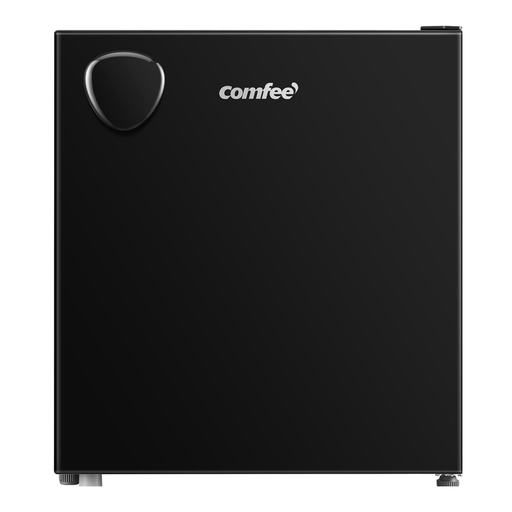 No image available
This compact fridge can provide extra cooling space if there’s no room for a container in your existing appliance.
43 litres; 44,5 cm wide; three temperature settings; energy rating E; reversible door; removable handle.
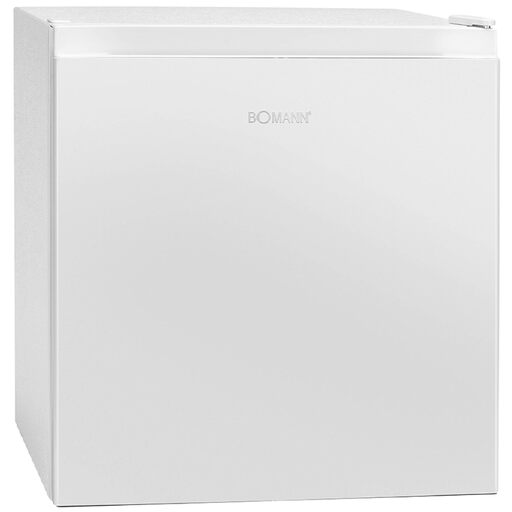 No image available
If you need extra cooling space, the removable shelf lets you change the interior layout.
45 litres total capacity; separate 4-litre compartment; removable glass shelf; reversible door. Bomann gives this model a temperature range of 0 °C to +8 °C. The compartment is described as a freezer compartment; this doesn’t mean it’s suitable for general deep-freezing.
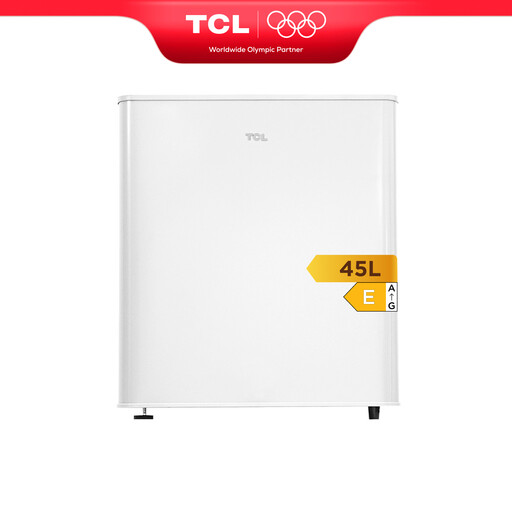 No image available
This tabletop mini fridge could suit a small, suitable space. Check that its interior layout works for your container.
45 litres; adjustable glass shelf; mechanical temperature control; energy rating E; separate freezer compartment. The special compartment is included in the total capacity and isn’t available as fridge space.
 No image available
If you need extra cooling space as well as room for your container, this model has a higher stated capacity than compact tabletop fridges.
90 litres; three glass shelves; chiller compartment; adjustable feet and shelves; energy rating E; dimensions: 449 × 485 × 842 mm.
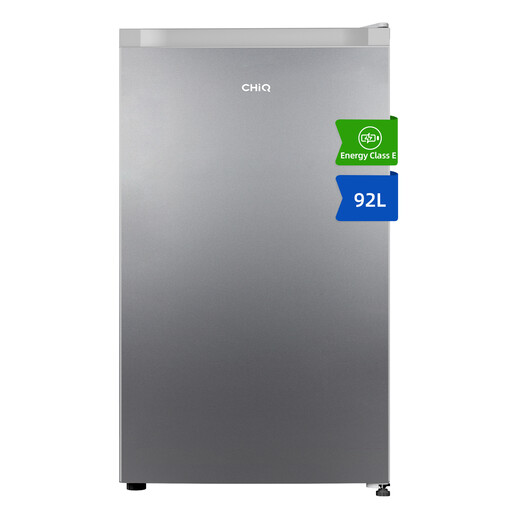 No image available
The crisper drawer and adjustable glass shelves may be useful when arranging the interior. Check whether your container will fit.
92 litres; 47 cm wide; crisper drawer; adjustable glass shelves; seven temperature settings; reversible door; energy rating E.
Keep the cucumber slices covered and chilled, and use them promptly. The BfR recommends storing perishable foods at between 2 °C and 7 °C; this recommendation doesn’t tell you what temperature a particular container will actually reach at its storage spot.
No. The Federal Centre for Nutrition’s guidance of 1 to 2 days in the vegetable compartment applies to whole cucumbers, not pre-cut slices. For raw, chopped vegetables, the BfR recommends keeping them cool and using them promptly.
Compare the space available and the clearance needed to open the door with the instructions for the specific model. Follow the installation and start-up guidance, and check the temperature at the intended spot for your container before storing food. A thermostat setting alone doesn’t measure the temperature there.
Compare the kWh/year figures given for each model. The annual figure makes it easier to compare models, but doesn’t guarantee the actual energy use in your home.