
Lieferung heute & morgen

Qualitätsgarantie

Willkommens-Angebote freischalten: KOSTENLOSE Lieferung | Bis zu 80 % RABATT | Kostenlose 30-Tage-JoyPlus-Testphase
App herunterladen
Choosing a new set of cups might seem simple at first glance. But the reality is often different: the glaze fades after just a few washes, the material proves impractical, or the shape doesn't suit your favourite drink. As a Joybuy Product Recommendation Officer, I'll help you navigate common purchasing traps and make an informed decision that fits your lifestyle.
Many purchasing decisions are driven by marketing promises that don't hold up in daily use. Pay close attention to these three points to avoid disappointment.
To find a durable and functional cup set, you should examine three core aspects: material, functionality, and intended use.
The choice of material affects the feel, longevity, and enjoyment of your hot beverage.
Check the manufacturer's specifications carefully. A cup is only truly microwave-safe if it has no metallic decorations (e.g., gold or platinum rims). For longevity in the dishwasher, it is advisable to avoid harsh detergent tabs and excessively high temperatures, especially with decorated pieces. A cup with an infuser made of porcelain or stainless steel offers an integrated solution for brewing loose-leaf tea and is a practical addition.
Here are some recommendations tailored to specific user profiles that meet the quality criteria mentioned above.

Why This Fits Their Persona: Ideal for discerning tea lovers looking for an exquisite teacup set for special occasions. The design and material embody a timeless table culture and make for an excellent high-end gift set of cups.
The set is made of clearly specified Fine Bone China, a premium material. The "dishwasher-safe" claim is qualified by the presence of 22-karat gold, which sets honest expectations for its care.
Exceptionally thin-walled yet durable. The set comes in a Wedgwood gift box, which underscores its value.
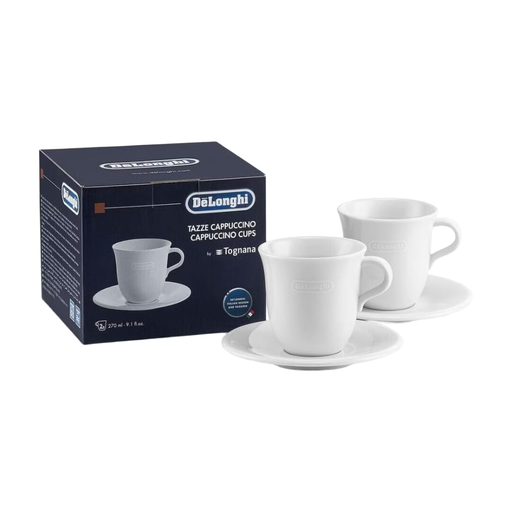
Why This Fits Their Persona: Perfect for daily use by coffee lovers. These cappuccino cups are robust, functional, and designed by a brand known for its coffee expertise. The size is precisely tailored for milk-based coffee specialities.
This set avoids the trap of the wrong size. With a 270 ml volume, it is specifically designed for cappuccino. The suitability for dishwashers and microwaves is reliable for everyday use with this robust porcelain.
Hand-crafted ceramic design by De'Longhi. The classic egg shape and thick porcelain keep the drink warm for a long time.
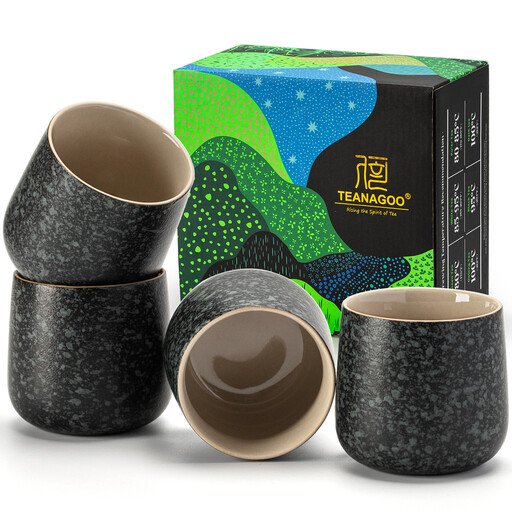
Why This Fits Their Persona: This set of Japanese teacups appeals to users who celebrate tea as a ritual. The handleless design and special surface texture offer a unique tactile experience that deepens the tea-drinking enjoyment.
The product description is transparent: hand washing is recommended to preserve the outer texture, even though the cups are dishwasher-safe. This is an honest disclosure that avoids the "dishwasher-safe" trap.
The material is certified lead- and cadmium-free. The dual texture with a rough exterior and smooth interior is both aesthetically pleasing and functional.
We have curated a complete, up-to-date list of products that fully meet these strict selection criteria and rigorous safety standards.
1. What is the difference between porcelain and ceramic for cups? Porcelain is fired at higher temperatures and made from finer materials, making it denser, harder, and less porous than general ceramics (e.g., earthenware). Porcelain cups can be thinner-walled and lighter while still offering high resistance to chipping. Ceramic is often thicker, more rustic, and retains heat slightly longer, but it is more prone to cracking.
2. Can cups with a gold rim really go in the dishwasher? Generally, it is not recommended. Although some manufacturers use modern techniques that promise a degree of dishwasher safety, the gold application (an on-glaze decoration) is the most delicate part of a cup. Harsh detergents and high temperatures can wear away the metal. For maximum longevity, hand washing is always recommended for cups with gold or platinum rims.
3. How do I choose the right cup size for my drink?