
Lieferung heute & morgen

Qualitätsgarantie

Willkommens-Angebote freischalten: KOSTENLOSE Lieferung | Bis zu 80 % RABATT | Kostenlose 30-Tage-JoyPlus-Testphase
App herunterladen
Whether it’s for your morning coffee, tea at the office, a family breakfast, or entertaining guests, cups and drinking glasses need to suit the drink, the way you use them, and the storage space you have available. Many purchasing decisions fail not because of design, but because of details like capacity, care requirements, or temperature resistance.
As a Joybuy Product Recommendation Officer, I filter the most important selection criteria from the product details. This helps you better assess marketing claims and avoid buying the wrong items.
An espresso cup with 80 to 120 ml is designed for a small coffee, not a large latte. Conversely, a 400 ml mug feels impractical for a quick espresso. So before you buy, consider the following:
The stated capacity usually refers to the maximum fill level. In everyday use, you’ll leave a little room for carrying and pouring.
Ceramic, glass, and borosilicate glass react differently to temperature changes. Even double-walled glasses should not be filled straight from the freezer with boiling water. Sudden temperature shifts can cause material stress.
With double-walled coffee glasses, you should also check whether they are suitable for the microwave, dishwasher, or hand wash only. Product claims like “for hot and cold drinks” do not replace the specific care instructions.
A beautiful set can become impractical in daily use if every piece needs to be washed by hand. Pay attention to:
Ceramic and glass can break if dropped. Cups and glasses with cracks, chips, or sharp edges should not be used any further.
Ceramic cups and stoneware cups retain heat for a relatively long time and are available in many shapes and glazes. Models with handles are suitable for hot drinks, while handleless cups often look more compact and work well for tea ceremonies or small coffee portions.
Borosilicate glasses are frequently used for heat-resistant drinking vessels and double-walled glasses. The transparent look shows the colour and layers of the drink. With double-walled models, the outside can feel more pleasant to touch depending on the construction, but caution is still needed with hot liquids.
PS drinking glasses are lightweight and suitable for everyday indoor and outdoor use. They can be a good alternative when low weight and higher impact resistance matter more than the classic glass feel.
A handle makes it easier to hold hot drinks. With glasses that have a handle, you should also consider the size of the opening and the distance from the handle to the vessel. For cocktails, the shape, stability, and intended serving temperature are important. A Moscow Mule mug made of metal, for example, is designed for cold drinks and should be cared for according to the manufacturer’s instructions.
For desserts, small ceramic cups or dessert bowls with 80 to 160 ml can be suitable. If you entertain guests, you’ll benefit from cup and glass sets with a uniform shape or a deliberately coordinated colour scheme.
A set of 2 is ideal for couples or as a targeted replacement. Four identical cups suit small families, offices, or a guest household. A set of 6 with a holder can help organise storage better, but it does need extra shelf space for the rack.
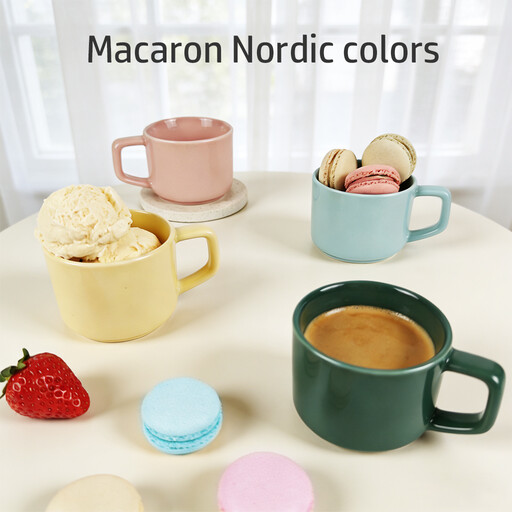
Why this product fits the profile: Four small ceramic cups, each with 120 ml, are ideal for espresso, Turkish coffee, small tea portions, desserts, or sauces. The compact size takes up very little storage space.
The clearly stated capacity prevents small cups from being accidentally bought as large coffee mugs. The four colours make it easy to assign each cup to a different person in the household.
Food-safe ceramic, a set of 4, and a space-saving format. According to the product details, hand washing is recommended.
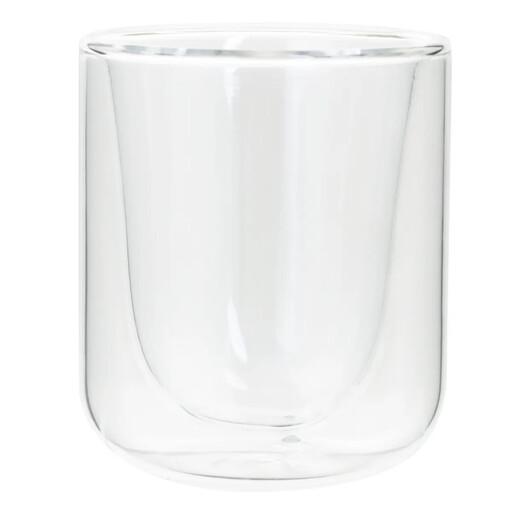
Why this product fits the profile: The transparent borosilicate glass with a double wall has a capacity of 80 ml, making it designed for espresso, ristretto, and small coffee specialities.
The small capacity is clearly stated. The instructions rule out oven use and remind you to handle the glass carefully with strong temperature changes.
80 ml capacity, double-walled borosilicate glass, and according to the product details, suitable for dishwasher and microwave.
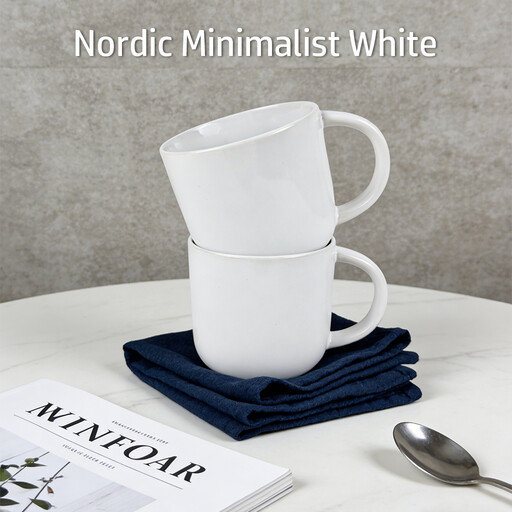
Why this product fits the profile: The set of 4 with 415 ml each is aimed at households, offices, cafés, and restaurants that need identical coffee mugs for larger portions.
The large capacity is clearly stated and is suitable for coffee, tea, hot chocolate, or a mug-sized portion of soup. The uniform white colour makes it easy to buy replacements and set the table.
4 pieces, 415 ml per mug, and according to the product details, suitable for microwave and dishwasher.
We have put together a complete, regularly updated list of products that fully meet these strict selection criteria and the safety regulations in force in the EU.
For espresso, 80 to 120 ml is standard. Filter coffee, latte, and larger hot drinks usually fit better in coffee cups or mugs with 245 to 415 ml. What matters is the portion you want, including milk or milk froth.
That depends on the specific model. Some double-walled glasses are dishwasher safe according to the product details, while others recommend hand washing. Wooden lids, delicate decorations, and harsh cleaning agents require special care. You should check the information on the product page before buying.
With normal use, ceramic cups and glasses can last a long time. Their lifespan mainly depends on drops, scratches, temperature changes, and how they are cleaned. Avoid abrasive sponges and regularly check the tableware for cracks or chips.