
Lieferung heute & morgen

Qualitätsgarantie

Willkommens-Angebote freischalten: KOSTENLOSE Lieferung | Bis zu 80 % RABATT | Kostenlose 30-Tage-JoyPlus-Testphase
App herunterladen
A cup should suit the way you plan to use it. The qualities you need for the breakfast table are different from those you need for camping, sport or art lessons. If you focus only on colour, a low price or eye-catching marketing claims, you may end up with a product that quickly proves impractical.
Common pitfalls when buying a cup include:
For plastic cups, material details such as PP, Tritan or melamine matter. BPA-free cups can be a suitable option for everyday use, provided they are clearly labelled as such. However, the term ‘BPA-free’ alone doesn’t tell you whether a product is suitable for hot drinks, the microwave or the dishwasher.
So check for:
A melamine cup, for example, may be lightweight and resistant to breakage, but that doesn’t automatically make it suitable for very high temperatures. The stated temperature range for cold drinks in the LocknLock Eco model is -20 °C to 60 °C. According to the product information, it is not intended for hot liquids, carbonated drinks or dry ice.
For children, toothbrushing or a quick drink, 200 to 300 ml is often enough. A larger 450 to 650 ml drinking cup is better suited to a desk, picnic or longer outings. For families, a set in different colours can make it easier to tell the cups apart.
The shape also affects stability and storage:
When buying a set, check the dimensions of the storage container as well as the capacity of each cup. Six 650 ml cups still need enough storage space, even if they stack.
A standard water cup is designed for use in one place. If you want to carry a drink in a bag, you’ll need a leakproof water bottle with a suitable closure and a correctly fitted seal. ‘Leakproof’ only applies under the intended conditions: the lid must be fully closed and the seal correctly fitted.
Cleaning also affects how practical a product is for everyday use:
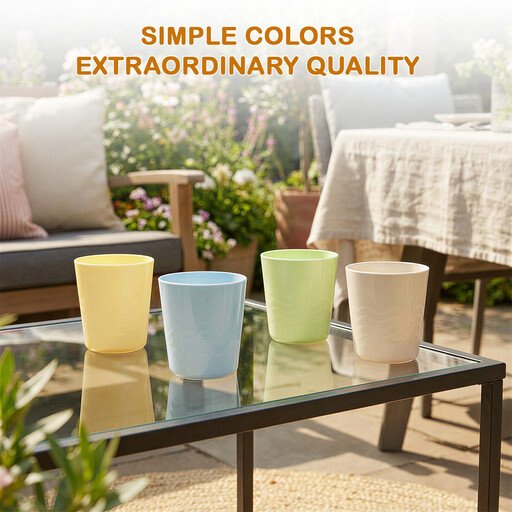
Why it suits this profile: This four-piece set has a 300 ml capacity and is designed for simple household uses. It’s suitable for water, juice or use in the bathroom.
The clearly stated capacity makes it easy to see that this small set isn’t designed for larger drinks. It isn’t described as a bottle for carrying drinks.
Four PP plastic cups; 300 ml per cup; suitable for everyday household use.
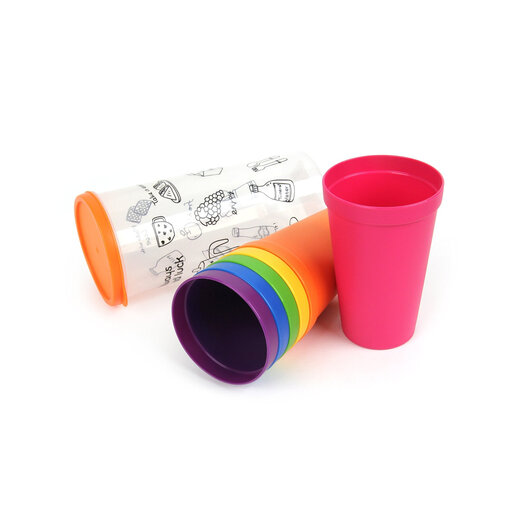
Why it suits this profile: This set is ideal for families and households that need several reusable cups for picnics, camping, travel or meals together.
The included storage container helps keep loose items together when you’re on the move. According to the product information, the cups are BPA-free and dishwasher-safe.
Six cups, each with a 650 ml capacity; BPA-free PP; stackable; storage container with lid.
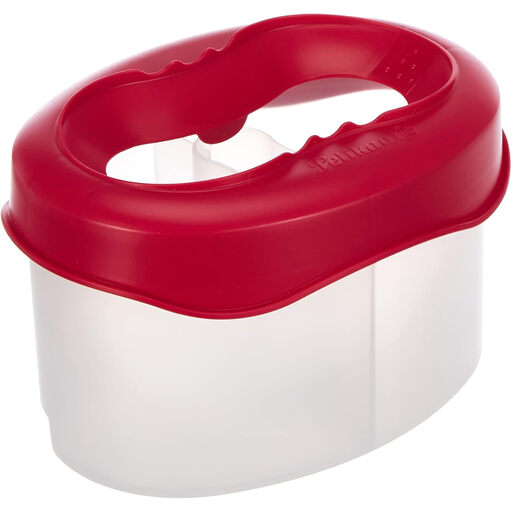
Why it suits this profile: This cup is designed for art lessons and painting, not for drinks. Its two water chambers let you rinse brushes separately.
Its clearly stated purpose helps prevent the common mistake of confusing it with a drinking cup. According to the warning, this product is not suitable for children under three.
Two separate water chambers; wide, oval shape; weighs 80 g; compatible with Pelikan Space+ and K12 paint boxes.
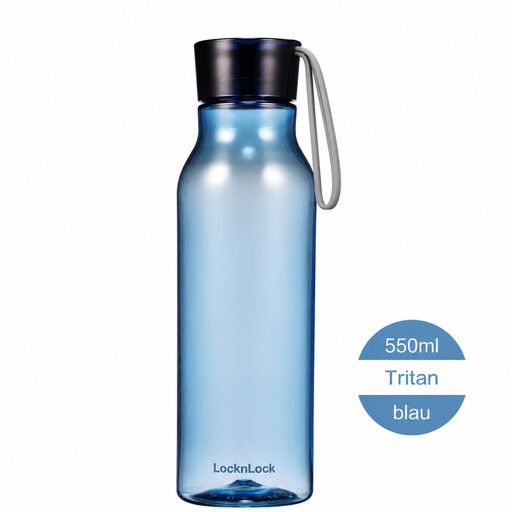
Why it suits this profile: This slim water bottle has a screw cap and carry loop. It’s designed for cold drinks on the go, on your commute or during a workout.
The screw cap needs to be fitted with the silicone seal correctly in place. The product information states that it is not suitable for microwaves, dishwashers, hot liquids or carbonated drinks.
550 ml capacity; BPA-free Tritan; 65 mm diameter; 225 mm height; carry loop.
We’ve put together a complete, regularly updated list of products that meet these strict selection criteria and the safety regulations in force in the EU.
It depends on the material, intended use and care instructions. BPA-free cups made from PP or Tritan may be designed for cold drinks. The manufacturer’s guidance on temperature, cleaning and food contact is what matters. A plastic cup for painting must not be used as a drinking vessel.
Stackable cups with a storage box are handy for eating together outdoors. A water bottle, on the other hand, is better for carrying an individual drink in a rucksack or work bag. For longer trips, reusable cups alongside a sealable water bottle can be a useful combination.
There’s no reliable way to give a set lifespan that applies to every product. It depends on the material, use, cleaning and storage. Check cups regularly for cracks, warping, and damaged lids or seals. Replace any product with visible damage, no matter how long you’ve been using it.