Fans of wide waves in long hair
If you want a broader shape rather than tight curls, compare the barrel diameter and whether it is straight or tapered with your hair length.


For broad, even waves in longer hair, consider a wide, straight barrel; for more varied, relaxed waves, a tapered barrel may be a better choice. Also look for temperature controls that suit you, and think about where you can safely rest the hot tool on your dry dressing table. A particularly wide barrel is not automatically the right choice for short hair.
If you want a broader shape rather than tight curls, compare the barrel diameter and whether it is straight or tapered with your hair length.
If you want to wrap the sections yourself and create a less uniform shape, the barrel design and wrapping technique are important things to consider.
If temperature controls and somewhere suitable to rest the tool while styling matter to you, check these features on the specific model.
At your dry dressing table, the wand should suit the wave shape you want and the way you plan to wrap your hair. Also make sure you have a safe place to set down the hot tool.
The figures below show the proportion of consumers choosing a styler for loose waves at a dry dressing table who cite each concern.
| What matters | What to check before buying | Who is it especially relevant to? |
|---|---|---|
| Wide waves to suit your hair length | Compare your hair length with the shape and diameter of the specific model. | If I want wide waves rather than tight curls, the barrel diameter needs to suit my hair length. Around 36 % of consumers who prioritise wave shape cite this as their main concern. |
| Temperature and where to rest the wand | Check the temperature controls and whether it has a stand or comes with a heat mat; keep the appliance away from water. | If I’m sectioning my hair at the dressing table, I need somewhere suitable to rest the hot wand. Around 29 % of consumers prioritise handling heat and finding a place to rest the appliance. |
| Clip or wrap-free styling | Check whether the model has a clip and which wrapping technique the instructions recommend. | If I want to secure the ends of my hair, I’m looking for a clip; with a clip-free wand, I wrap the section around the barrel myself. Around 21 % of consumers cite the wrapping technique as their main concern. |
| Features and after-sales support | Check what’s included and the terms of any voluntary guarantee; remember that statutory rights for faulty goods are separate. | If accessories and after-sales support matter to me, I want to know what’s included and what the terms are. Around 14 % of consumers prioritise features and service. |
On shorter hair, a curl created with a large-diameter barrel may be less defined.
Compare your hair length and the wave effect you want with the barrel diameter, rather than relying on the label “big waves” alone.
A clip can hold the ends of your hair in place; with a clip-free wand, you wrap the section yourself.
Choose the wrapping technique you want to use and follow the instructions for the specific model.
A voluntary guarantee and your statutory rights if a product is faulty are two different things.
Keep your proof of purchase and check the guarantee terms separately from your rights against the seller.
The range includes the C452E, a straight 32-mm barrel with a clip.
The curve soft curl tong has a clip, while the clip-free curve creative curl wand offers a different way to wrap your hair.
The CI5538 is listed as a curling wand with a 38-mm barrel.
A Wella instruction manual from 2014 describes the tapered PRO-CURL conical CT 15.
This selection includes curlers and wave stylers for loose waves, from manually operated wands to automatic and multi-barrel tools.
 No image available
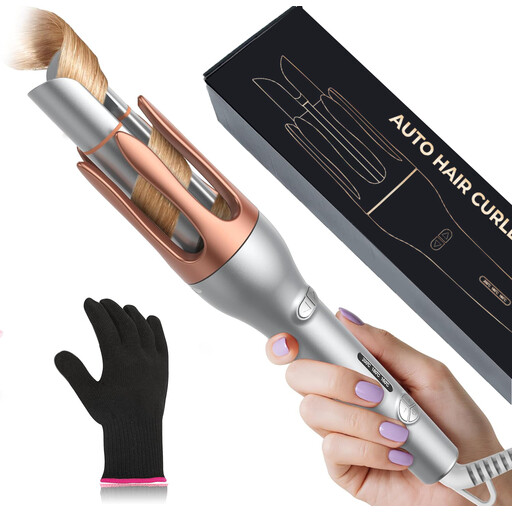
An option to consider if you’d rather have the wand wrap a section of hair automatically than wind it around by hand.
The product name lists a 32-mm barrel, a timer, an LCD display and five temperature settings from 160–200 °C.
 No image available
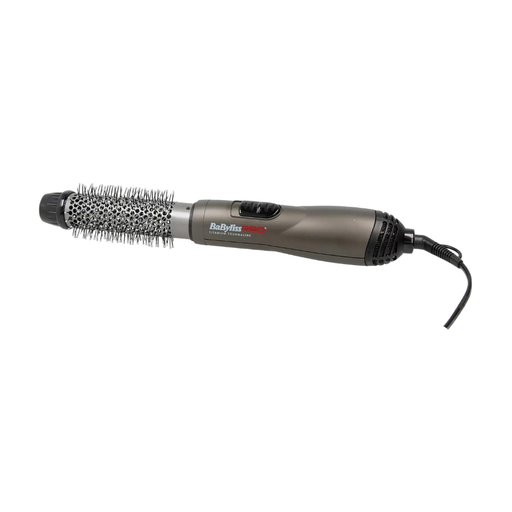
A manually operated option if you want to wrap sections of hair around a single barrel yourself.
The product name lists a 32-mm barrel and a ceramic-titanium coating. The product information warns that surfaces can get hot and says to keep the appliance away from water.
 No image available
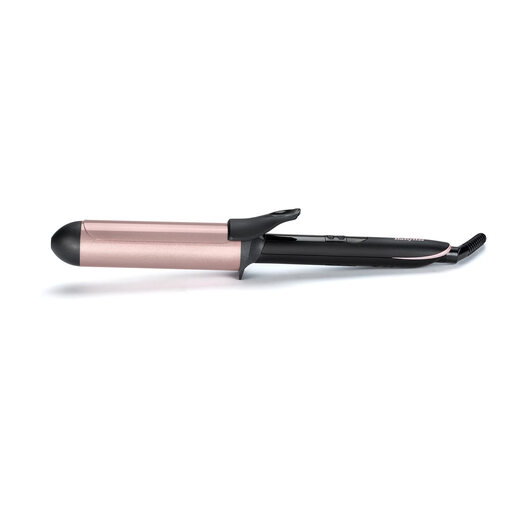
The wide barrel may be suitable for creating broad waves, as long as it works with your hair length.
The product name lists a 38-mm barrel. The product information recommends using it on dry hair and warns that surfaces can get hot and that the appliance should be kept away from water.
 No image available
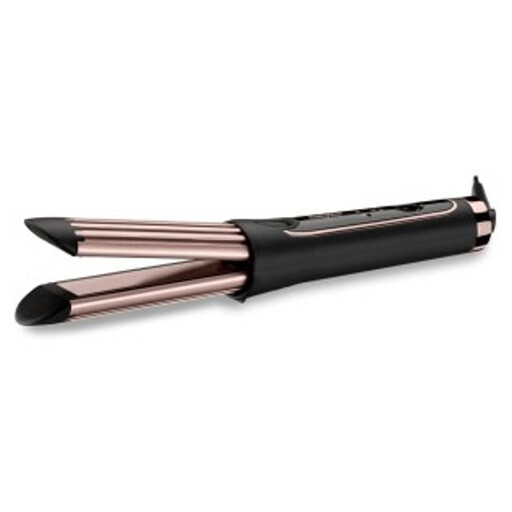
The product description lists loose waves as a styling option; check the instructions to see if the way it works suits your routine.
The product name lists integrated heating plates, a Cool-Shot function and a ceramic coating. The product information warns that surfaces can get hot and says to keep the appliance away from water.
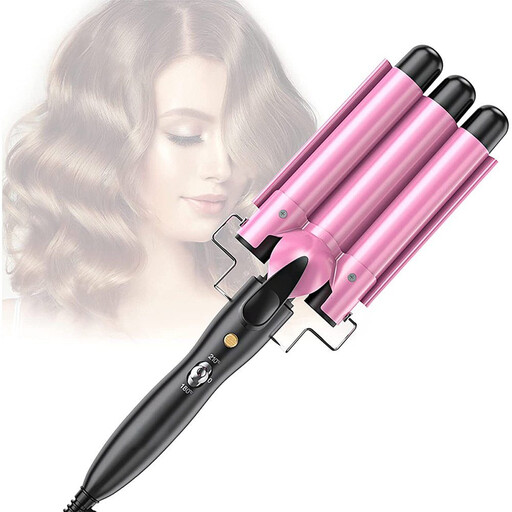 No image available
Unlike a single-barrel curling wand, this styler has three barrels and, according to the product name, is designed for beach waves and natural-looking waves.
The product name lists a 28-mm barrel, a ceramic coating and two settings of 180 °C or 210 °C. The product information recommends using it on dry hair and resting it on a heat-resistant surface.
Not necessarily: on shorter hair, a large barrel may create a less defined shape. Compare your hair length with the wave shape you want before choosing a particularly wide wand.
With a clip-free wand, you wrap the section of hair around the barrel yourself. For the ghd curve creative curl wand, the manufacturer’s styling instructions start with dry hair; don’t apply specific steps or timings to another model without checking its instructions first.
Make sure you have somewhere suitable to rest the hot appliance, and keep it away from water. BaByliss lists a heat mat for the C452E; ghd lists a safety stand for the curve creative curl wand.
In Germany, statutory rights for faulty goods are generally claims against the seller. An additional manufacturer’s or retailer’s guarantee is voluntary and is subject to its own terms; the Verbraucherzentrale distinguishes this type of guarantee from statutory rights.
Check the CE marking, the manufacturer’s information and the instructions in German for the specific appliance. The EU Low Voltage Directive applies to equipment with a rated voltage of 50–1,000 V AC or 75–1,500 V DC; the Bundesnetzagentur lists markings, manufacturer information and instructions in German among the points checked in market surveillance.