For fans of defined curls
If you want to shape shoulder-length hair precisely, check the wand’s shape and its diameter at the tip and base. Wella Professionals and BaByliss offer tapered models in different diameter ranges.


For smaller, more defined curls, a narrower or tapered wand could be a good choice; a wider wand is better suited to loose waves. Then check that the temperature settings and handling suit your hair and styling space. A cool tip, a suitable resting place and automatic shut-off are useful features, but they don’t replace careful handling of a hot appliance.
If you want to shape shoulder-length hair precisely, check the wand’s shape and its diameter at the tip and base. Wella Professionals and BaByliss offer tapered models in different diameter ranges.
If you’re after soft movement rather than tight curls, compare wider wands with narrower ones. Remington lists a tapered range of 25–38 mm for the PROluxe CI91X1.
If you’ll be using the appliance on your own hair, choose a temperature you can control comfortably and make sure you have a suitable place to rest it while styling. BaByliss and ghd list these features for certain models; they aren’t automatically included with every appliance from these brands.
| Buying priority | What to look for | Who should pay particular attention? |
|---|---|---|
| Curl size | For tapered wands, compare the diameter at the tip and base, as well as the usable length of the barrel. | If I want to create smaller curls or softer waves in shoulder-length hair, the section of the barrel I can wrap my hair around matters. Around 33% of consumers put their preferred curl size first. |
| Temperature settings | Check the lowest available setting and how easy it is to adjust the temperature. | If I want to tailor the heat to my styling needs, I compare the full temperature range rather than just the maximum. Around 25% of consumers prioritise temperature control. |
| Ease of use | Think about whether you prefer to curl with a clamp or use a clamp-free wand; check the cord length and included accessories, too. | When styling my own hair, I want to guide each section in a way that suits my curling technique. Ease of use is the top priority for around 25% of consumers. |
| Safe resting place | Check whether the specific model has a stand or a suitable resting surface, and whether it switches off automatically. | If I need to put the hot appliance down temporarily in the bedroom, I make sure there’s a stable place for it. Around 17% of consumers focus primarily on safe storage while styling. |
If you want more control over heat, the lowest available setting matters, too. Temperature ranges vary from model to model.
Compare the full temperature range of the specific appliance, and don’t choose a high setting based solely on a manufacturer’s promise.
An automatic curling wand wraps your hair differently from a traditional wand. So test results for traditional appliances don’t necessarily apply to automatic models.
Before buying, decide whether you’d rather wrap each section of hair yourself or use an automatic function.
With a cordless model, you’ll also need to charge the battery and get used to a different curling technique.
Features vary by model. A hot wand needs a suitable place to rest while you’re styling and as it cools down.
Check the exact model to see whether it has a suitable resting place and which accessories are actually included.
The Pro Curl Conical is a tapered curling wand. According to Wella’s instructions, its diameter is 13–25 mm.
The range includes tapered wands and models with a clamp. The BAB2480E is worth considering for smaller curls.
The PROluxe CI91X1 has a tapered barrel measuring 25–38 mm, making it a useful comparison for loose waves.
The ghd curve creative curl wand is a clamp-free, tapered wand measuring 28–23 mm.
The EasyCurl HS 6230 is a cordless, automatic alternative to a traditional curling wand.
The Joybuy models below are automatic curling wands. They work differently from a traditional narrow or wide wand, where you wrap each section of hair around the barrel yourself.
 No image available
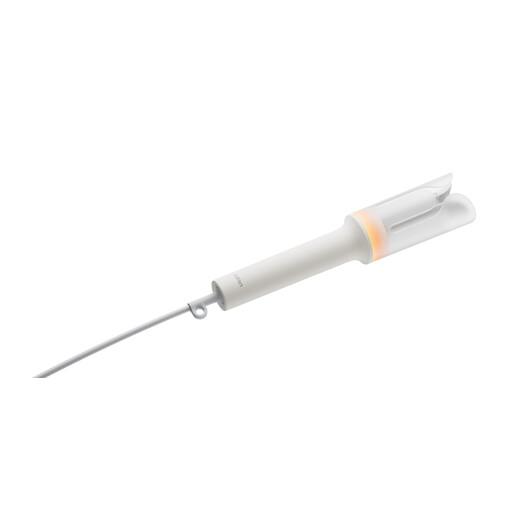
Automatic rotation could suit you if you’d rather not wrap each section of hair around a traditional wand yourself.
The product description lists a 25-mm barrel and temperature settings of 160 °C and 190 °C.
 No image available
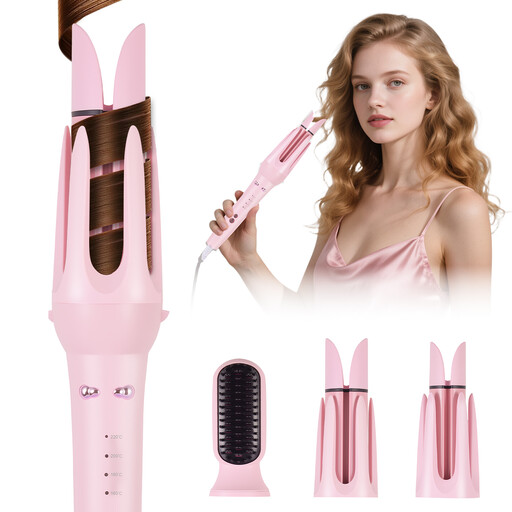
Automatic rotation in both directions is an option if you’d rather not wrap each section of hair around the wand by hand.
The product description lists a 32-mm barrel and three temperature settings. A sensor is designed to stop the appliance automatically if it takes in too much hair.
 No image available
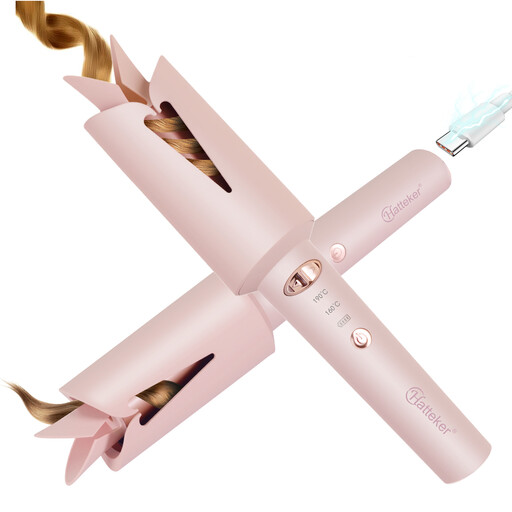
Automatic rotation could be useful if you’d rather not wrap your hair around a traditional wand yourself.
The description lists a 25-mm barrel, two temperature settings of 160 °C and 190 °C, and corded or cordless operation. A cool tip is also mentioned.
 No image available
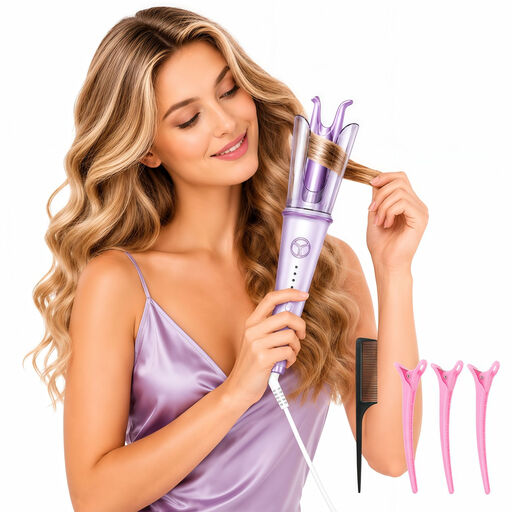
Automatic hair guidance is an option if you’d rather not wrap each section of hair around the wand yourself.
The description lists a 26-mm barrel, four temperature settings from 160 °C to 220 °C and automatic shut-off after approximately 60 minutes.
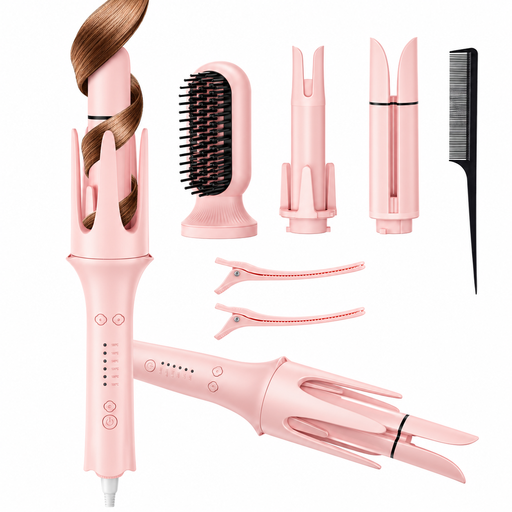 No image available
Left or right rotation could suit you if you’d rather not wrap each section of hair around a traditional wand yourself.
The product details list three temperature settings of 160 °C, 180 °C and 200 °C, along with timer settings of 6, 9 and 12 seconds.
For smaller, defined curls, compare narrower barrel ranges such as 13–19 mm; wider ranges such as 25–38 mm are more suited to softer waves. With a tapered model, check both diameters and the usable barrel length rather than focusing only on the largest measurement.
Choose a spot where you can rest the hot appliance securely and lay the cord without pulling it taut. Check whether the specific model comes with a stand or heat-resistant mat; switch it off after styling and let it cool before putting it away.
Mains-powered appliances covered by the Low Voltage Directive must meet its requirements; the European Commission defines the voltage range as 50 to 1,000 V AC. The Bundesnetzagentur lists checks including correct CE marking, identifiable manufacturer details and German-language instructions with the necessary warnings.
In Germany, consumers generally have a 14-day right to cancel an online purchase after receiving the goods. The Verbraucherzentrale recommends checking the specific seller’s information and notifying the other party to the contract that you wish to cancel; this is separate from your rights if the goods are faulty.
No. For purchases in Germany, the seller is generally responsible for putting faults right under statutory warranty rights; the Verbraucherzentrale gives a period of two years. Any additional guarantee offered has its own terms and conditions.