
Lieferung heute & morgen

Qualitätsgarantie

Willkommens-Angebote freischalten: KOSTENLOSE Lieferung | Bis zu 80 % RABATT | Kostenlose 30-Tage-JoyPlus-Testphase
App herunterladen
The right hair conditioner can be the difference between brittle, unmanageable hair and smooth, glossy locks. But the market is vast, and advertising claims are often over-the-top. Many products fail to deliver on their promises, leading to disappointment and wasted money. Before you reach for the next bottle, it helps to understand the most common pitfalls.
Two prevalent and costly marketing traps are:
To make an informed decision, you should focus on objective criteria rather than marketing messages. The following three parameters are crucial for selecting the right hair conditioner.
The foundation of any good hair care routine is matching products to your individual needs. A one-size-fits-all conditioner can rarely solve specific problems.
The application method affects the conditioning impact and the time required.
A quick look at the ingredients list (INCI) can be very revealing.
Instead of making a single blanket recommendation, we have selected products for different user profiles.
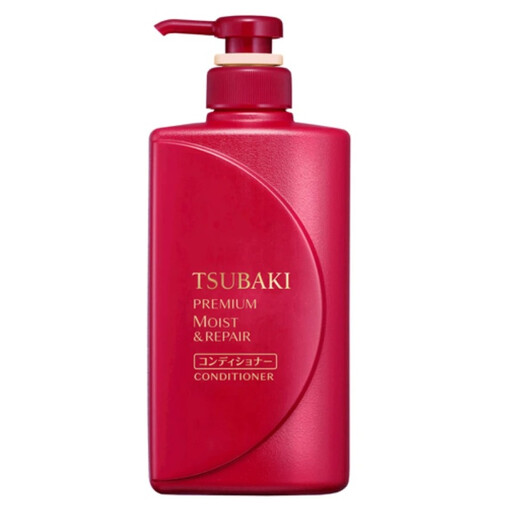
Why This Fits Their Persona: Ideal for those with dry and damaged hair seeking a rich treatment to restore softness and shine. The formula aims to improve hair texture and tame frizz.
Instead of vague repair promises, this product focuses on a clear mission: intensive hydration for dry hair through ingredients like argan and jojoba oil.
Its creamy texture provides intensive nourishment. The formula is specifically tailored to the needs of dry and damaged hair.
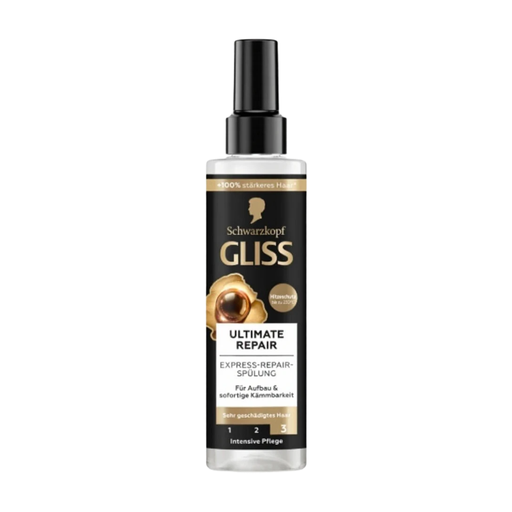
Why This Fits Their Persona: Perfect for users who need a quick and effective no-rinse solution. It instantly improves combability and provides added heat protection, making it ideal for a hectic lifestyle.
This product isn't a jack-of-all-trades; it's a specialized leave-in conditioner. Its purpose is clearly defined: instant detangling and heat protection without weighing hair down.
The leave-in formula saves time in the bathroom. According to the manufacturer, it offers heat protection up to 230°C and contains liquid keratin to smooth the hair structure.
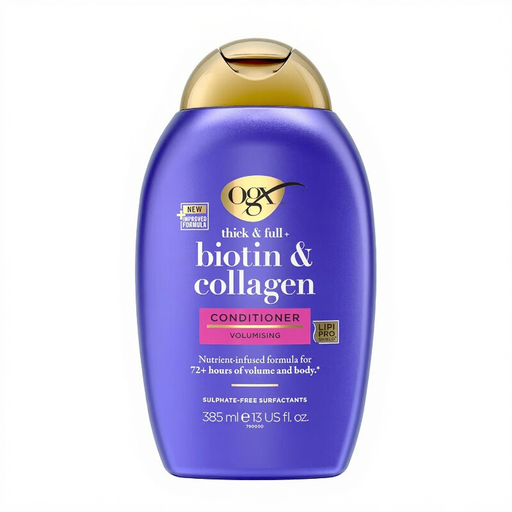
Why This Fits Their Persona: Specifically for people with fine or thin hair who want more volume and fullness. The formula is designed to fortify the hair without weighing it down.
This product solves the common problem of conditioners making fine hair flat. It uses a targeted formula with biotin and collagen to strengthen the hair and give it more body.
According to the manufacturer, the formula is free of sulfated surfactants. The combination of biotin and collagen is designed to fortify hair and make it appear visibly more voluminous.
We've compiled a complete, up-to-date list of products that fully meet these strict selection criteria and comply with German regulations.
1. How often should you use a hair conditioner? For most hair types, it is recommended to use a conditioner after every wash. This helps to reseal the hair's cuticle, which is roughened up by shampoo, protects it from moisture loss, and improves combability. For very fine hair, using it every other wash may be sufficient to avoid weighing it down.
2. What is the difference between a hair conditioner and a hair mask? A hair conditioner is designed for daily use. Its main function is to smooth the outer layer of the hair and improve manageability. A hair mask (or deep conditioner) has a richer formula with a higher concentration of nourishing ingredients. It penetrates deeper into the hair structure and is typically used only once or twice a week for more intensive treatment.
3. Can a hair conditioner cause hair loss? A correctly applied hair conditioner does not cause hair loss. However, it is important to work the conditioner mainly into the lengths and ends, avoiding the scalp. If rich formulas are not rinsed out thoroughly, residue can clog scalp pores, which may lead to irritation. The impression of increased hair loss during rinsing often occurs because already loose hairs are more easily shed due to the improved slip.