
Lieferung heute & morgen

Qualitätsgarantie

Willkommens-Angebote freischalten: KOSTENLOSE Lieferung | Bis zu 80 % RABATT | Kostenlose 30-Tage-JoyPlus-Testphase
App herunterladen
Curly hair usually needs a different routine from straight hair. Its structure may absorb moisture unevenly, while the mid-lengths and ends can quickly feel dry. At the same time, friction, unsuitable cleansing or too much styling product can lead to frizz, weighed-down curls and visible residue.
When buying products for curly hair, you should not be guided solely by terms such as “intensive care”, “bounce” or “anti-frizz”. Your hair type, the product’s function, its ingredients and the way you use it are what really matter.
A curl cream can define and condition your hair, but it does not automatically replace a shampoo for curly hair or a conditioner for curls. Cleansing, moisturising, detangling and hold are separate tasks. A simple routine often consists of:
Claims such as “up to 48 hours” or “24-hour anti-frizz” are product-specific marketing statements and are not a guarantee for every type of hair. According to the product information, Garnier Fructis Care Spray Curl Method Moisture Boost provides up to 48 hours of moisture, definition and bounce. The actual effect depends on factors including porosity, humidity, how often you wash your hair and the amount used.
The same applies to claims relating to humidity: according to the product information, Sisley Curl Care Jelly was tested at 80% humidity. This describes the conditions used for the brand’s testing and does not necessarily reflect the result in your individual day-to-day routine.
The Curly Girl Method can serve as a guide, for example when taking a considered approach to sulphates, silicones, heat and vigorous brushing. However, it is not a binding standard for every hair type. A silicone-free product is not automatically suitable for all hair; likewise, a product containing silicones may be useful for dry or severely damaged hair. What matters is your scalp, how your hair feels, any residue and your individual tolerance.
Wavy hair types 2A to 2C often need lightweight textures so that the waves do not lose their shape. For curly hair types 3A to 3C, richer formulations may be beneficial. Very curly or extremely dry hair often benefits from a combination of conditioner, a hair mask for curls and leave-in care.
Before buying, check the product’s specific function:
The INCI list shows which substances are actually included. Glycerin, panthenol and Sodium Hyaluronate are often used as moisture-binding ingredients. Oils and butters such as jojoba oil, coconut oil, shea butter or avocado oil can condition the hair’s surface, but may feel heavy on fine hair.
If you are sensitive to fragrance, look out for declared fragrance allergens such as Limonene, Linalool, Geraniol or Citronellol. According to the supplier, ingredients may change, so the list on the packaging is the definitive source.
Using more product does not automatically result in stronger definition. Start with a small amount and distribute it through wet or towel-dried hair. You can then scrunch the curls from the ends towards the roots. Air-drying or using a diffuser at a low temperature reduces unnecessary mechanical stress.
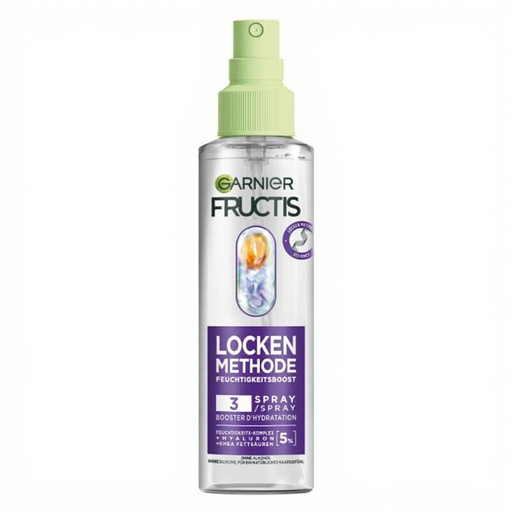
Why this product suits this profile: The spray can be incorporated into an existing routine and, according to the product information, can also be used between washes to refresh dry curls.
The spray format allows you to adjust the amount gradually, reducing the risk of overloading fine hair with a heavy cream.
150 ml, vegan formula according to the product information and silicone-free; contains glycerin, shea butter and Sodium Hyaluronate, among other ingredients.
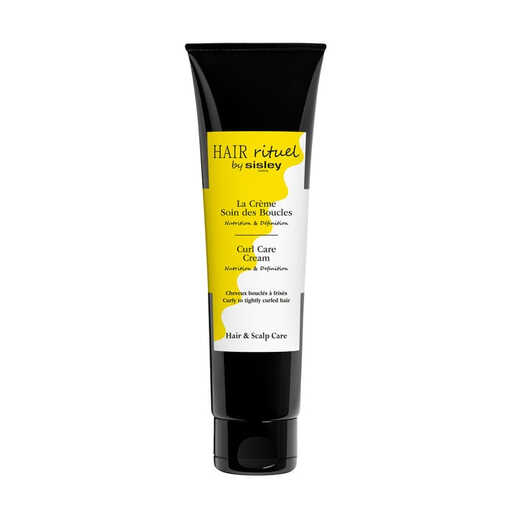
Why this product suits this profile: According to the product description, this richer curl-care cream is intended for curly to very curly hair types 3A to 3C.
The target audience is clearly defined, making it easier to assess whether the creamy texture suits your curl pattern.
Plant oils, plant-based waxes and a plant-based conditioner according to the product information; apply to damp or wet hair and then scrunch in.
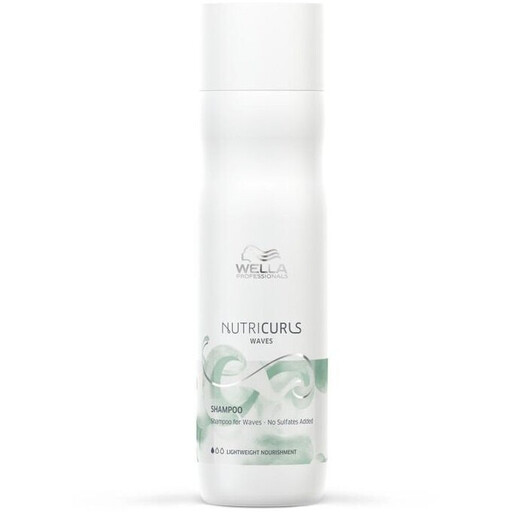
Why this product suits this profile: For regular washes, a shampoo specifically designed for wavy and curly hair makes a good foundation for your routine.
The product information describes a sulphate-free, lightweight formula. This is helpful for shoppers who want to avoid intensive cleansing and a dry feel.
250 ml contents, suitable for coloured hair according to the product information, and formulated with jojoba oil, wheat extract and panthenol.
We have put together a complete, regularly updated list of products that fully meet these strict selection criteria and the safety regulations applicable in the EU.
Start with a small amount of leave-in care, then choose a lightweight curl mousse or gel. Fine, wavy hair usually needs less rich oils and butters than very curly hair. Distribute the product through wet hair and scrunch it in gently.
This depends on the condition of your hair and how often you wash it. If your hair is dry or damaged, using a hair mask for curls around once a week may be beneficial. If your hair becomes limp, sticky or difficult to comb, the conditioning treatment may be too rich or being used too frequently.
A combination of sufficient conditioning, reduced friction and suitable styling can help minimise the appearance of frizz. Dry curls as gently as possible, avoid vigorous brushing when your hair is dry, and try curl gel or curl cream in small amounts. If you have a sensitive scalp or experience irritation, discontinue use of the product.