
Lieferung heute & morgen

Qualitätsgarantie

Willkommens-Angebote freischalten: KOSTENLOSE Lieferung | Bis zu 80 % RABATT | Kostenlose 30-Tage-JoyPlus-Testphase
App herunterladen
Wavy, curly or tightly coiled hair can be sensitive to unsuitable products. A product may feel lightweight on a fine 2A wave, yet provide too little hold for dense 3C hair. At the same time, richer formulas do not automatically mean better curly hair care. Hair structure, porosity, your desired style and the ingredients all play a role.
Claims such as “long-lasting”, “anti-frizz” or “definition” usually describe only part of a product’s properties. A curl gel may fix the shape, but can leave dry hair feeling stiff. Conversely, a curl cream often provides more conditioning, but may not offer enough hold to last all day.
Fine, wavy hair can quickly be weighed down by oils, waxes or rich butters. For frizzy or tightly coiled hair, a lightweight mousse may not provide enough conditioning. Descriptions such as “for curls” or “for all hair types” therefore do not replace checking the texture, application method and ingredients.
Claims such as “up to 72 hours’ hold” or “24-hour frizz protection” are brand-specific performance promises and depend on certain conditions. For example, Sisley Hair Rituel Curl Care Jelly states that it is resistant to humidity at 80% relative humidity. Such figures should not be interpreted as guaranteed everyday results. The product description, current INCI list and your own tolerance remain the most important considerations.
For curly hair care for wavy hair types 2A to 2C, lightweight gel-cream textures or mousse are often suitable. They can define waves without unnecessarily weighing the hair down. For curly hair care for frizzy hair and tight curls from types 3A to 3C, richer leave-in products are often worth considering.
Use these functions as a guide:
People who follow the Curly Girl Method often look for silicone-free, sulphate-free or alcohol-free formulas. However, this method is not a legally defined, uniform quality standard. Always check the current ingredients list on the packaging, as formulations may change.
Fragrances such as limonene, linalool or citral are unproblematic for many people, but may be relevant if you have sensitive skin. When trying a new product, it is advisable to apply a small amount first and follow the manufacturer’s instructions. Avoid contact with the eyes and mucous membranes.
Curly hair products are generally applied to towel-dried or damp hair. “Scrunching” – gently squeezing the lengths upwards from the ends – can help support the hair’s natural texture. A diffuser can speed up drying, but should be used at a suitable temperature and distance from the hair.
Aerosols are subject to additional safety rules: do not use them near heat or naked flames, do not store them above 50 °C and only use them in well-ventilated rooms. These instructions are particularly important for curl mousse in pressurised containers.
The following recommendations are organised not by an overall ranking, but according to texture, intended use and the product information available.
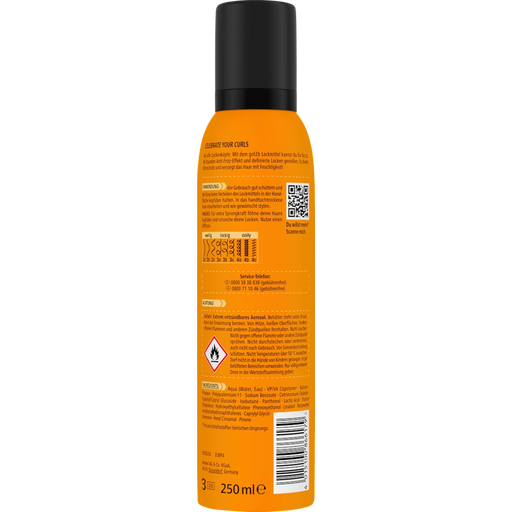
Why this product suits this profile: The lightweight mousse is suitable for beginners who want to define waves or curls and try out an uncomplicated texture first. According to the product information, it offers hold level 3 and is designed for various curl types.
The foamy texture reduces the risk of overloading fine hair with a very rich cream. The aerosol instructions should be followed before use.
Easy to apply to towel-dried hair; product information states that it offers anti-frizz and moisturising properties.
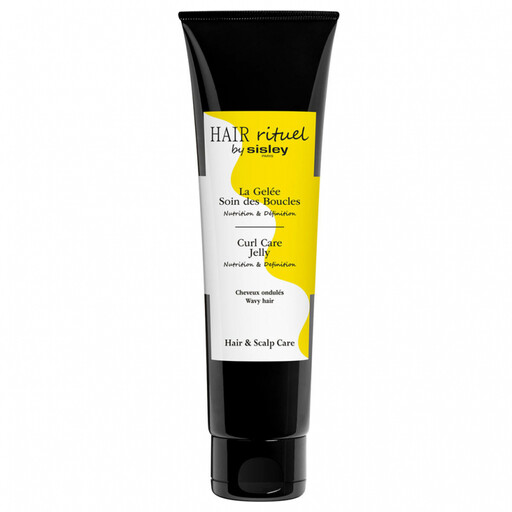
Why this product suits this profile: According to the product description, this gel-cream is designed for type 2A to 2C waves. Three plant oils and two plant waxes combine conditioning and shaping in one application.
The stated target group distinguishes this product from very heavy creams designed for tight curls. Its actual effect still depends on hair density and the amount used.
Gel-cream texture; can be used with air-drying or a diffuser; product information states that it is resistant to humidity at 80% relative humidity.
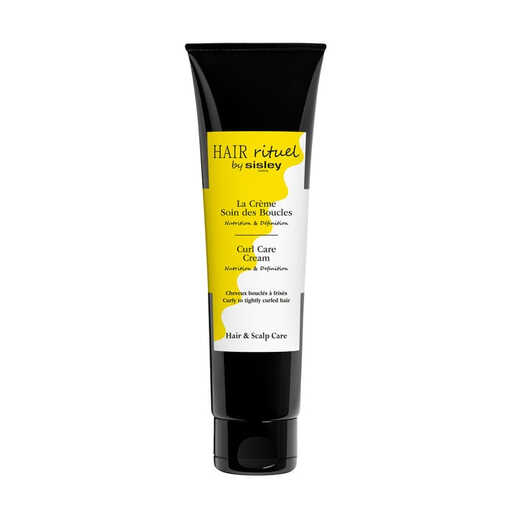
Why this product suits this profile: According to the product information, the creamy formula is intended for curly to tightly coiled type 3A to 3C hair. It is suitable for anyone who wants to combine conditioning, definition and diffuser styling.
Its clear focus on types 3A to 3C helps avoid using a wave-care product that is too lightweight for dense hair. Fine hair should be treated with a small amount.
Creamy texture; plant oils and waxes according to the INCI list; designed for styling with air-drying or a diffuser.
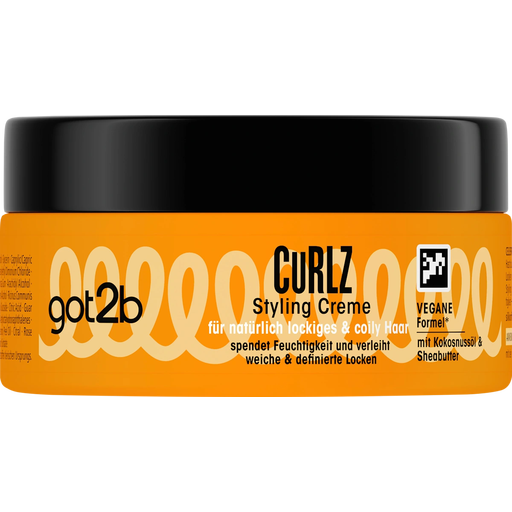
Why this product suits this profile: The leave-in cream is intended for daily conditioning and refreshing on the following day. The product information lists coconut, castor and argan oils, as well as shea butter.
Its versatility as a leave-in, mask or conditioner makes it easier to tailor your routine to your needs. As it contains richer ingredients, a small amount is advisable.
Suitable for refreshing and conditioning; according to the product information, 98% of the ingredients are of natural origin and it contains no animal-derived ingredients.
We have put together a complete, regularly updated list of products that fully meet these strict selection criteria and the safety regulations applicable in the EU.
Start with a lightweight texture such as curl mousse or gel-cream, and use it sparingly. Especially with waves, rich oils and butters should not be applied directly to the roots.
Frizz can be caused by dry lengths, friction, high humidity or touching the hair too much while it dries. Conditioner, sufficient moisture and gentle drying can support your routine. However, anti-frizz products for curly hair do not work the same way on every hair type.
Refer to the PAO symbol and the information on the packaging. Keep an eye on the product’s smell, colour and consistency. If any of these change or skin irritation occurs, stop using the product.