Regular curry blend makers
You regularly grind several dried spices into a blend and want to be able to clean the container afterwards. Rommelsbacher lists dried spices as suitable for grinding and describes its containers as removable.


For regularly making blends from several dried spices, an electric blade grinder with a removable container specifically designed for this purpose is likely to be the better fit. For very small quantities and limited storage space, a mortar and pestle may be worth considering. Traditional spice mills are better suited to grinding spices as you season, provided the specific model is designed for the blend and quantity you want. This guidance is based on manufacturers’ information, not a comparative hands-on test of the models mentioned.
Manufacturers’ information on spice grinders and mortars points to different uses: making regular blends, grinding small quantities and switching between spices.
You regularly grind several dried spices into a blend and want to be able to clean the container afterwards. Rommelsbacher lists dried spices as suitable for grinding and describes its containers as removable.
You only need a small amount at a time and want to keep the number of kitchen gadgets to a minimum. A compact mortar and pestle is one option; GEFU lists the GRINO for making your own spice blends.
You use a range of spices, or coffee as well, and want to compare the intended uses, residue and cleaning requirements of the specific model. Krups lists spices as suitable for grinding in the F20342; cleaning instructions vary by model.
A good fit if: you want to regularly grind several dried spices into a blend. Rommelsbacher lists coriander and caraway, for example, as suitable for grinding in the EGK 200.
Bear in mind: it needs electricity and storage space; with the EGK 200, grinding time affects the consistency. Rommelsbacher says the containers and lids are dishwasher-safe, but the motor base is not.
A good fit if: you want to crush small quantities by hand and don’t want to make room for another electrical appliance. GEFU lists the GRINO for making your own spice blends.
Bear in mind: grinding takes manual effort, and the amount you can grind at a time depends in part on the bowl.
A good fit if: you want to grind individual dried spices as you cook and adjust the grind. WMF describes its 3201000215 electric mill as suitable for salt, pepper and spices.
Bear in mind: this does not confirm that it can process a full serving of curry powder made from several ingredients; the WMF model needs six AAA batteries and is not dishwasher-safe.
| What you need | What to check before buying | Who it matters most to |
|---|---|---|
| Blending several spices | Check that the grinder is specifically suitable for dried spices, as well as the container type and controls for the grind you want. | If I want to regularly grind several dried spices into a curry blend, the grinder needs to be designed for that purpose. Around 36% of consumers put this blending requirement first. |
| Grinding small portions | Compare the quantity you want to grind with the information for the specific model; the maximum capacity is not a minimum quantity. | If I only want to prepare a small amount fresh, it matters whether the grinder can handle that quantity effectively. Around 29% of consumers prioritise small quantities. |
| Cleaning when changing ingredients | Check the exact model variant to see which parts are removable and dishwasher-safe, and how to clean the motor base. | If I want to use the same grinder for different spices, I should be able to clean the container appropriately after grinding. Around 21% of consumers put cleaning first. |
| Space and power | Consider the appliance’s dimensions, accessories and power requirements. | If storage space is limited, a non-motorised option may be more practical, but grinding will involve manual effort. Around 14% of consumers prioritise space and how the appliance operates. |
A mill being suitable for individual spices while seasoning does not prove that it can process a blend of several ingredients or the quantity you want.
Check the intended use and quantity for the specific model. Distinguish between seasoning as you cook and making a blend.
Rommelsbacher gives the EGK 200 a maximum capacity of 70 g per container. This maximum does not tell you whether it can reliably grind very small quantities too.
If you usually grind small amounts for recipes, check the minimum quantity recommended for the model you’re considering, or consider a small mortar and pestle.
Rommelsbacher says certain removable parts of the EGK 200 are dishwasher-safe; Krups says the F20342 is not dishwasher-safe.
Before buying, read the cleaning instructions for the exact model number and check which parts you’ll need to clean when changing ingredients.
If a grinder isn’t dishwasher-safe, cleaning it by hand after switching between ingredients may take more effort.
If capacity matters for the size of your recipes, make sure the figure applies to the exact model reference.
Check the capacity of the specific model before basing your decision on it.
The EGK 200 and EGK 250 are spice and coffee grinders with separate containers for dry ingredients and general-purpose use.
The GRINO 35321 mortar and pestle is a non-electric option for crushing small quantities to make your own spice blends.
Krups lists the F20342 coffee grinder, also known by reference F2034210, as suitable for spices, herbs, seeds and nuts.
WMF says the 3201000215 electric mill is designed for seasoning and has an adjustable ceramic grinder.
Here you’ll find electric spice grinders and a mortar and pestle for grinding dried spices, from seasoning in small amounts to crushing by hand.
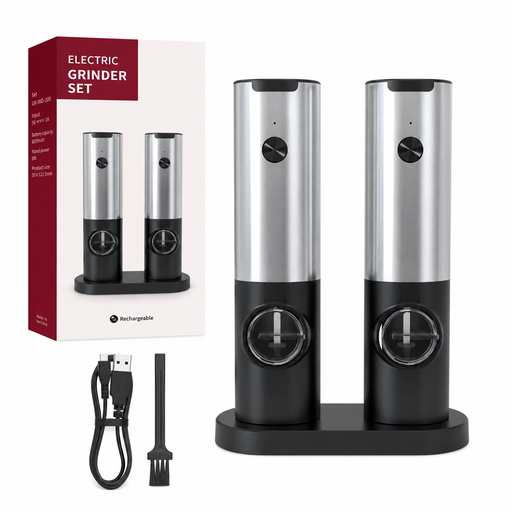 No image available
For grinding spices in small amounts; the product information also lists other dried spices. Check whether it’s suitable for a full curry blend before buying.
With LED light and adjustable grind.
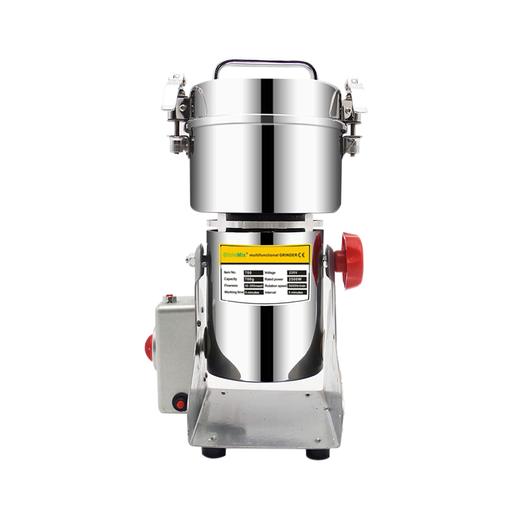 No image available
For dried spices and herbs; check whether the stated capacity suits the quantities you usually need for your recipes.
The product name lists a three-layer stainless steel blade system and a capacity of 700 g/800 g; this variant is labelled 700 g.
No image available
For dried spices and herbs; compare the stated capacity with the quantity you actually want to grind.
The product name lists a 270-degree pivot mechanism and a capacity of 700 g/800 g; this variant is labelled 800 g.
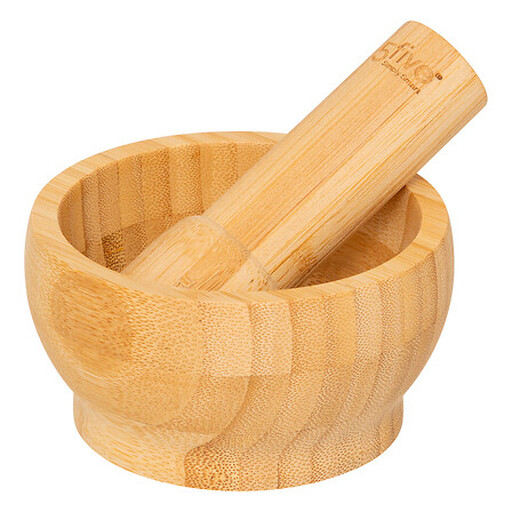 No image available
For crushing small quantities of spices by hand; no electric power is needed.
Requires manual effort and, according to the product description, is not suitable for very hard ingredients or dishwasher use.
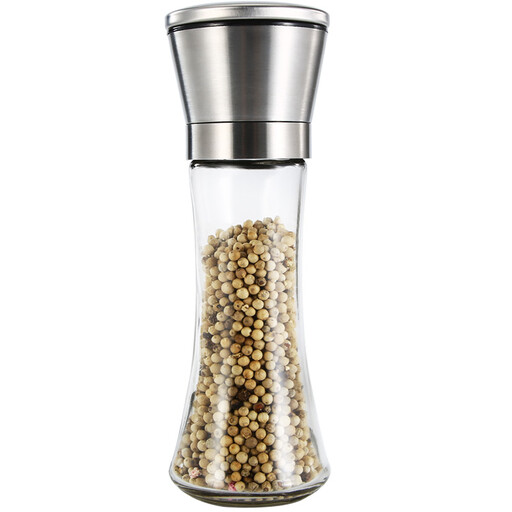 No image available
For grinding dried spices in small amounts with an adjustable grind; check whether the specific model is suitable for a full curry blend.
The product name and information list a ceramic grinder, stainless steel and glass.
Only if the specific model and the relevant container are designed for that purpose. For the EGK 200, Rommelsbacher describes the grinding container as suitable for dried spices and the universal container as suitable for fresh herbs and small portions of pesto.
Rommelsbacher recommends wiping the motor base with a damp cloth and drying it. The manufacturer says the grinding and universal containers, as well as the lids, can go in the dishwasher. Follow the relevant cleaning instructions for other models.
When fully loaded, Rommelsbacher’s instruction manual specifies a maximum of 30 seconds of continuous operation, followed by a break of at least one minute. This guidance applies to the EGK 200 and is not a general limit for spice grinders.
EU rules apply to materials that come into contact with food, including food processing equipment. For the EU Low Voltage Directive, EUR-Lex gives the voltage range as 50 to 1,000 V AC or 75 to 1,500 V DC. This does not mean that an individual product listing has already been checked for compliance; a non-electric mortar does not fall under this electrical equipment directive by virtue of its function.
No. Verbraucherzentrale distinguishes between your statutory rights against the seller and a guarantee, which is an additional voluntary promise subject to its own terms and conditions.