
Lieferung heute & morgen

Qualitätsgarantie

Willkommens-Angebote freischalten: KOSTENLOSE Lieferung | Bis zu 80 % RABATT | Kostenlose 30-Tage-JoyPlus-Testphase
App herunterladen
A curry spice mix can quickly add aromatic depth to a dish – provided it suits the cuisine you’re cooking and your dietary requirements. There are clear differences between curry spice, curry powder, curry paste and Japanese curry sauce when it comes to ingredients, processing and how they’re used.
Typical buying mistakes aren’t just about choosing the wrong heat level. Unclear portion sizes, overlooked allergens or an unsuitable product format can also mean the packet ends up unused at the back of your kitchen cupboard before long.
‘Hot’, ‘Medium’ or ‘Mild’ are handy guides, but they’re not a standardised scale. A hot curry can taste very different depending on the chilli content, compared with a spicier but milder blend with more cumin or coriander. For family meals, a mild curry is often a good choice, while those who love bold flavours tend to reach for Madras Curry Hot or a Thai curry paste.
An Indian curry spice mix is usually used as a dry powder and is often fried in oil. A Japanese curry sauce, on the other hand, typically comes as a solid roux block that you cook with water to make a thick sauce. A Green Curry Paste or Massaman Curry Paste already contains wet ingredients like lemongrass, galangal, shallots or chilli. Swapping these product formats changes the flavour, texture and cooking time.
Many blends contain not only spices but also salt, sugar, flour, oils or flavour enhancers. Japanese curry roux products often contain wheat flour. Celery and mustard can also be ingredients that must be declared. Pastes from Thailand or Southeast Asia may contain prawns or shrimp paste. If you cook vegan food or need to consider allergies, always check the full ingredient list and allergen information on the product page or packaging.
Curry powder and dry curry spice mixes are easy to dose. They work well with rice dishes, soups, marinades and curries with meat or vegetables. For a classic Indian preparation, they’re usually heated in oil with onions, garlic and ginger.
Curry pastes already bring wet flavour carriers with them. Thai curry paste is typically combined with coconut milk, stock, tofu, vegetables, fish or meat. A paste is especially good when you want to create a distinctive dish without using lots of individual ingredients.
Japanese curry sauce or curry roux comes in portioned blocks. After cooking your ingredients, you stir the block into the liquid. This gives a creamy sauce that goes well with rice or noodles.
Pay attention to the specific variant:
The stated heat level should be treated as a guide, and you should use it cautiously the first time.
Small packs are a good idea if you want to try a blend for the first time. Larger 220g or 400g packs can be more economical for frequent users, but they need proper storage once opened. Dry mixes should be kept cool, dry and airtight. Opened pastes should go in the fridge according to the manufacturer’s instructions and be used within the stated time.
It’s also worth checking the nutritional information to compare products. Some curry products have a high salt content per 100g. Roux blocks often contain fat and flour as well. So the nutritional values aren’t directly comparable with a pure spice powder.
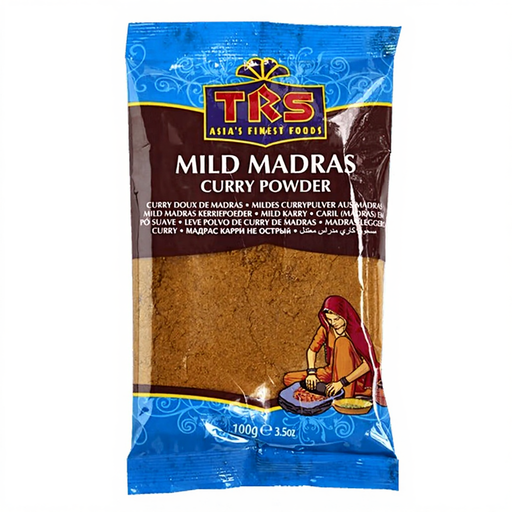
Why this product fits the profile: The 100g pack is a manageable size and ideal for your first curry dishes with rice, vegetables or meat. The blend contains coriander, turmeric, chilli, mustard and cumin.
The ‘Mild’ label sets it apart from particularly hot variants. The powder can be added gradually, rather than committing to a pre-made sauce.
Mild flavour, 100g pack and versatile use in a range of curry recipes.
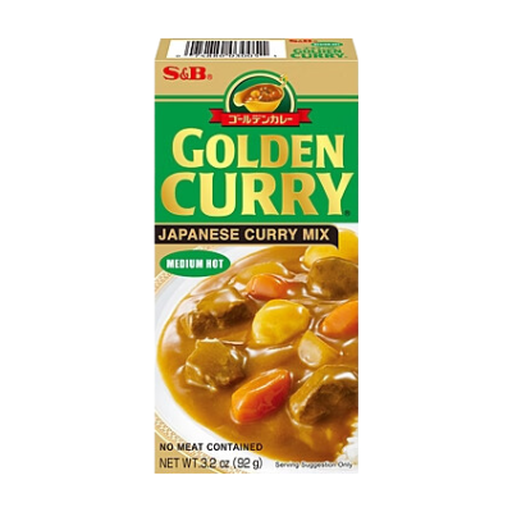
Why this product fits the profile: This Japanese curry roux comes as a block and is designed for a thick sauce with meat, vegetables, rice or noodles. The pack is stated to make around five portions.
The product format is clearly defined: you add water, then stir in the roux block. Wheat, celery and mustard are listed as allergens.
Portionable roux block, medium heat level and clear preparation instructions using around 540 ml of water.
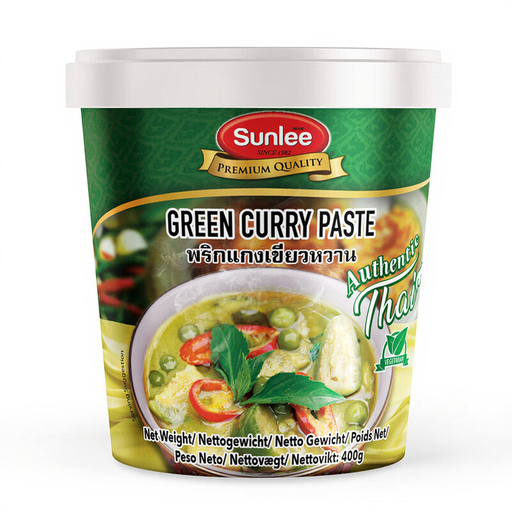
Why this product fits the profile: This vegan paste is intended for Thai curry with coconut milk, vegetables, tofu or other plant-based ingredients. The 400g pack is aimed at regular users.
The product description states the paste is vegan and lists no allergens. However, you should still check the current packaging before buying.
With dry curry powder, it’s worth briefly frying the spices in oil without burning them. You can then add onions, garlic, ginger and the remaining ingredients. With curry paste, a short fry is also often recommended before adding coconut milk or stock.
For a Japanese curry sauce, first cook your vegetables and chosen protein. Then stir in the roux block over a reduced heat. Once opened, these products should be stored airtight and often refrigerated, according to the packaging. For pastes too, the manufacturer’s instructions on fridge storage and use-by dates are important.
We’ve put together a full, regularly updated list of products that meet these strict selection criteria and comply fully with EU safety regulations.
It depends on the concentration, product format and recipe. With powder, you can start with a teaspoon per portion and then add more to taste. For pastes or roux blocks, follow the pack instructions, as these may contain additional salt, oil or thickeners.
The best-before date is on the packaging. Dry mixes should be protected from moisture, heat and light. Once opened, spices lose their aroma over time. Pastes must be stored according to the manufacturer’s instructions and are usually used within a certain period.
Products explicitly labelled as vegan are suitable, for example a vegan Green Curry Paste or vegan Massaman Curry Paste. For other curry products, check the ingredients and any warnings about prawns, fish, milk, wheat, celery and mustard. Even with plant-based recipes, the allergen information is crucial.