
Lieferung heute & morgen

Qualitätsgarantie

Willkommens-Angebote freischalten: KOSTENLOSE Lieferung | Bis zu 80 % RABATT | Kostenlose 30-Tage-JoyPlus-Testphase
App herunterladen
A new cushion cover can refresh the look of your sofa, armchair or bed, while protecting the cushion from everyday wear. But to avoid a disappointing purchase, there’s more to consider than colour and pattern. The cover may not fit quite right, care instructions can be easy to miss, or a decorative cover may slip out of place during normal use.
This buying guide explains what to look for in a sofa cushion cover, decorative cushion cover or cushion slip, and which styles suit different homes and uses.
A 50x50 cm cushion cover is designed for a cushion of the same dimensions. If the inner cushion is too small, the cover can look baggy; if it’s too large, it can put strain on the seams and zip. Before you buy, measure the length and width of your cushion. For rectangular sizes such as 30x50 cm, it’s also important to check the orientation.
“Easy care” doesn’t automatically mean a particular washing method. Some covers are machine washable, while others can only be hand-washed or cleaned with a damp cloth. A washable cushion cover is especially practical if it’s used frequently on the sofa or in a home with children and pets. Always follow the sewn-in care label and the instructions for the specific product.
Chenille, cotton, acrylic knit and tufted finishes differ in feel, texture and care requirements. A decorative cushion cover with a pronounced texture can add visual interest, but may need more careful cleaning. For seat cushions, a non-slip cushion cover can also be useful if you want to stop the cover from slipping or creasing.
Common sizes vary considerably:
The product description should make it clear whether you’re buying just the cushion cover or an inner cushion as well. The MEROPE models listed here are each described as one cushion cover without filling.
A cotton cushion cover can feel light and breathable. The MEROPE model made from 100% cotton yarn explicitly states its material. A chenille cushion cover, on the other hand, has a textured surface. The ochama model lists chenille and cotton as its materials; according to the product description, the herringbone pattern helps keep it in place.
Acrylic knit is another option for adding texture to your décor. If you choose a cover made from 100% acrylic, bear in mind that its care instructions may differ from those for cotton. Don’t choose a cover with fringing, tufting or a knitted texture based on appearance alone.
A zip-up cushion cover is generally easier to put on and take off than one with an overlapping flap. The MEROPE models are listed as having colour-matched zips. However, their care instructions differ:
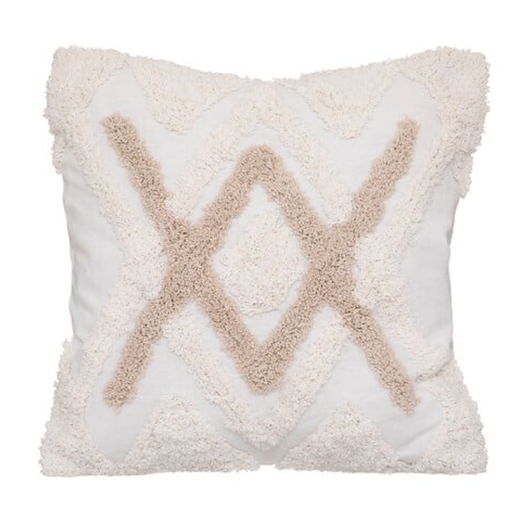
Why it suits this profile: The square 40x40 cm size is ideal for compact decorative cushions on a sofa, armchair or bed. The removable ivory cover works well with a range of interior styles.
The dimensions and removable design are clearly specified. The hand-washing and tumble-drying instructions help you avoid unsuitable care.
40x40 cm, cotton fabric, tufted edging and a removable cover.
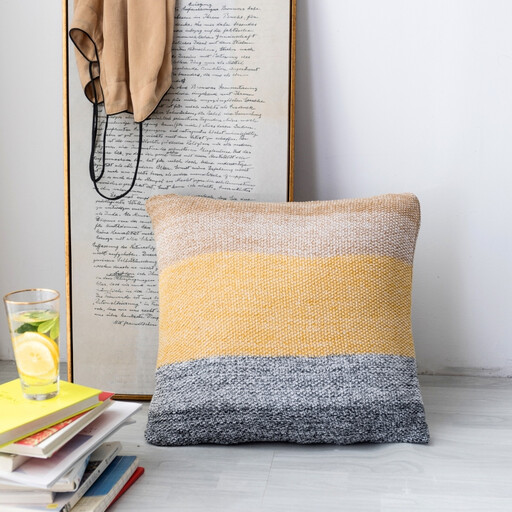
Why it suits this profile: The 50x50 cm cover combines a knitted look with a zip fastening. Its gradient colours are ideal for a carefully coordinated sofa or bed arrangement.
The 100% cotton material, size and fastening are all clearly stated. The care instructions specify temperature and drying limits.
100% cotton, 50x50 cm, zip fastening and OEKO-TEX STANDARD 100 according to the product information.
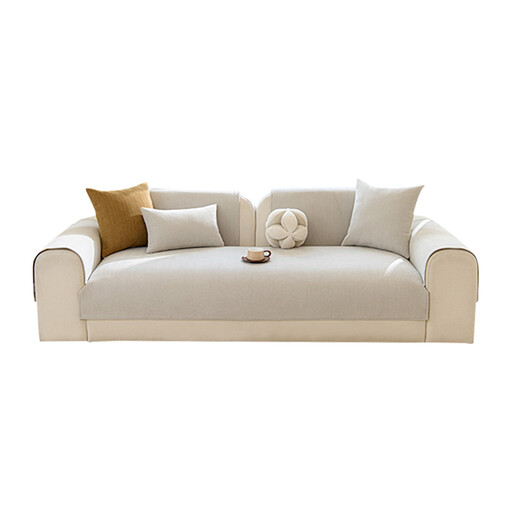
Why it suits this profile: The rectangular size is ideal for lumbar cushions, back cushions and slim sofa cushions. The beige chenille finish complements understated interiors.
The herringbone pattern is described as a non-slip design. This can help the cover stay in place on a sofa, chair or bed during regular use.
30x50 cm, chenille and cotton listed as materials, a herringbone texture and spot-cleaning guidance.
Before washing a cushion cover for your sofa or bed for the first time, check its colourfastness and care label. Zip it up before washing to prevent the fastening from damaging the fabric. Avoid rubbing delicate knitted and tufted finishes too hard or treating them with bleach. Chenille may be suitable for spot-cleaning with a damp cloth and mild detergent.
If you’re combining several covers, coordinate their sizes and textures as well as their colours. A 50x50 cm decorative cushion can be paired with a long 30x50 cm sofa cushion, as long as the fillings and available space on the furniture allow.
We’ve put together a complete, regularly updated list of products that meet these strict selection criteria and fully comply with the safety regulations in force in the EU.
The cover should fit the actual dimensions of the inner cushion. For a square cushion, 40x40 cm or 50x50 cm are common options; for a long back cushion, for example, you could choose 30x50 cm. Always check the size and shape against the product description.
How long it lasts depends on the material, friction, exposure to sunlight and how it’s cared for. A cover used regularly on a sofa may experience more wear than a decorative cushion kept in a bedroom. Cleaning it gently in line with the care label can help protect the fabric and fastening.
No. “Washable” can mean hand-washing, a delicates wash or machine-washing. Check the specific care instructions for the temperature, spin cycle, drying and ironing.