
Lieferung heute & morgen

Qualitätsgarantie

Willkommens-Angebote freischalten: KOSTENLOSE Lieferung | Bis zu 80 % RABATT | Kostenlose 30-Tage-JoyPlus-Testphase
App herunterladen
A new cushion cover can refresh the look of your existing cushions and protect them from everyday wear. But buying the wrong one is often down to more than just style: the dimensions may not fit, the fastening may not be suitable, or the material may be difficult to care for. Check a few key details before you buy and you’ll find it easier to choose the right cushion cover for your sofa, armchair, bed or scatter cushions.
A cover that’s a few centimetres too large may crease or slip on the cushion. If it’s too small, the filling can become compressed and put strain on the zip. Lay the cushion insert flat and measure it before you buy. The most important measurements are the width and height, or length.
Common sizes include:
A non-slip cushion cover can help reduce movement, but it won’t guarantee that a cushion stays in the same spot on every sofa. The surface texture, fit and how you use it all make a difference. A woven pattern such as herringbone can provide extra grip, while very smooth fabrics may slide more easily on leather or coated surfaces.
Not every decorative cushion cover is machine washable. Some materials can only be hand washed, while others shouldn’t be ironed or tumble dried. Before you buy, check the recommended wash temperature, drying method and cleaning products. This is especially important if the cover will be used regularly on a family sofa or in a home with pets.
The cover should match the shape of the cushion insert. For a rectangular sofa cushion, a 30 x 50 cm sofa cushion cover is usually a better choice than a square one. For square cushions, the stated dimensions should match the actual cushion as closely as possible. Also check whether you’re buying just the cover or a complete cushion with filling.
A cotton cushion cover is a popular choice for its textile feel and relatively easy care. Cotton yarn can be knitted, woven or finished with a tufted surface. A chenille cushion cover typically has a soft, textured surface. The name alone doesn’t tell you exactly how hard-wearing it is, so always check the material composition and care instructions.
A knitted cushion cover may have a visible stitch texture or a pattern such as herringbone. With these covers, it’s worth checking how well they hold their shape and the recommended wash temperature.
A zip-up cushion cover is generally easier to remove than one without a fastening. The zip should close fully and, ideally, sit discreetly so it doesn’t get in the way when the cover is in use. Delicate textures may require a delicate wash or hand washing. Avoid bleach and abrasive cleaners if the manufacturer advises against them.
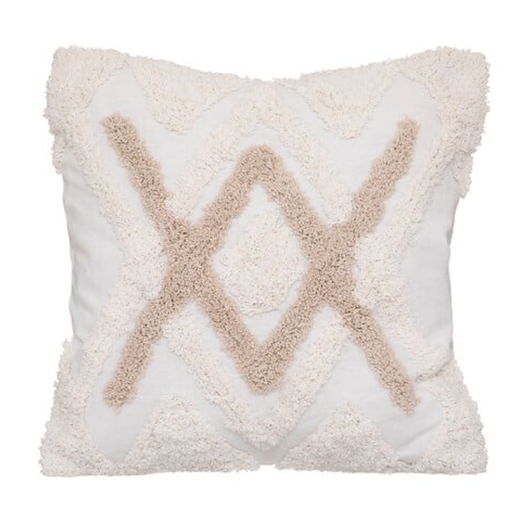
Why it suits this shopper: This square cover is a good fit for smaller sofas, armchairs or a seasonal décor refresh. The removable cover comes in ivory and has a tufted finish.
The clearly stated 40 x 40 cm size helps you avoid guessing. The care instructions recommend hand washing at up to 40 °C and advise against bleaching and tumble drying.
40 x 40 cm; cotton; removable cover; tufted decorative trim; ivory shade.
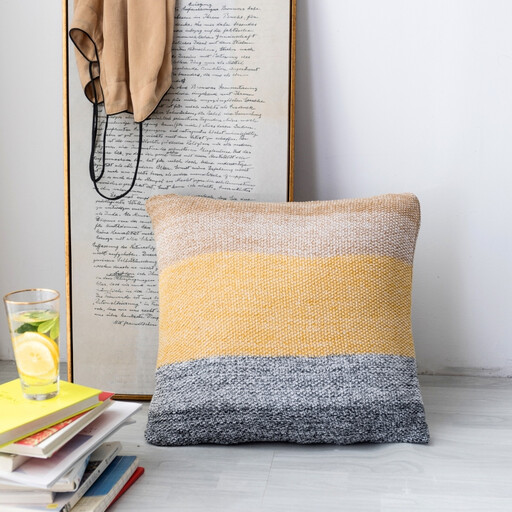
Why it suits this shopper: Made from 100% cotton yarn, this cover is for shoppers looking to combine a knitted texture, a gradient design and a concealed fastening.
The product clearly states its material, size and fastening. Care instructions recommend hand washing below 30 °C or using a delicate cycle, as well as ironing at a low temperature.
50 x 50 cm; 100% cotton; matching zip; gradient design; STANDARD 100 by OEKO-TEX according to the product information.
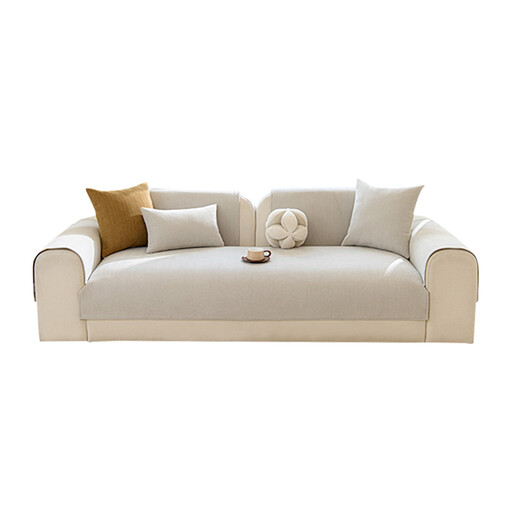
Why it suits this shopper: This rectangular cover is a good fit for lumbar cushions, back cushions and narrow sofa cushions. Its beige chenille surface and herringbone pattern work with a range of interior styles.
The size is clearly stated as 30 x 50 cm. According to the product description, the textured herringbone pattern is designed to provide better grip. Follow the care instructions on the label.
30 x 50 cm; chenille and cotton according to the product information; rectangular shape; textured herringbone pattern; beige.
We’ve put together a complete, regularly updated list of products that meet these strict selection criteria and the safety regulations in force in the EU.
Make sure the cushion insert is clean and dry before putting the cover on. Don’t force the zip if the filling is heavily compressed. For knitted or tufted surfaces, a delicate wash or hand washing is recommended if stated on the care label. Keep chenille and cotton covers away from strong cleaning products, bleach and naked flames.
Measure the cushion insert without compressing it too much. The cover shouldn’t be noticeably larger or smaller. For a 45 x 45 cm cushion, a cover in the same size is usually the most sensible place to start.
A zip makes the cover easier to remove and wash. However, the position and quality of the fastening, as well as the care instructions, are important too. On decorative covers, a concealed zip can give the surface a neater look.
How long it lasts depends on the material, construction, how often it’s washed, how much friction it gets and how much sunlight it’s exposed to. There’s no reliable one-size-fits-all answer. Choosing the right size and following the care instructions will help reduce unnecessary wear.