
Lieferung heute & morgen

Qualitätsgarantie

Willkommens-Angebote freischalten: KOSTENLOSE Lieferung | Bis zu 80 % RABATT | Kostenlose 30-Tage-JoyPlus-Testphase
App herunterladen
A cushion foundation combines liquid make-up with a compact application system: the foundation sits in a soaked cushion or mesh layer and is patted onto the skin with a sponge. It’s handy for on-the-go use, allows quick touch-ups and works particularly well with a pared-back make-up routine. At the same time, product claims such as “glass skin”, “72H wear” or “high coverage” don’t automatically lead to the right result.
If you’re looking to buy a Korean cushion foundation, a K-beauty product or a classic cushion foundation, there are three typical pitfalls you should avoid.
A foundation with SPF can be an added benefit in daily life. However, the amount of foundation you apply is usually not the same as the amount needed for the stated level of protection. What’s more, cushion make-up can become uneven throughout the day due to friction, sweat or touch-ups. So the SPF shouldn’t be relied upon as your sole sun protection.
A high-coverage foundation can better even out redness and imperfections. But if you apply too much product, the texture can settle on dry patches or fine lines. For a natural complexion, a buildable formula is often more flexible than a very dense layer.
“Glow” describes how light reflects off the skin, while “matte” reduces shine. Neither says much about actual longevity. What’s more, names like Porcelain, Vanilla, Ivory or Beige aren’t consistent across brands. So for a foundation for fair skin tones, you need to consider both the undertone and the lightness level together.
Start with the lightness level: very fair, fair, fair to medium, or medium. Then look at the undertone:
A shade like 15C Fair Porcelain isn’t automatically the same as 17W French Vanilla or 21N Beige. For the most seamless transition, compare the colour along your jawline rather than just on the back of your hand.
The coverage of a cushion foundation is influenced by the amount of product you use and your application technique. Patting distributes the product more controllably than rubbing. A thin first layer can then be built up on the cheeks or under the eyes as needed. If you want to target redness in specific areas, you might prefer a cushion with a separate concealer or a buildable formula.
Also check the ingredients, fragrance, PAO symbol and expiry information on the packaging. If you have sensitive skin, it’s a good idea to do a patch test on a small area. If irritation occurs, stop using the product.
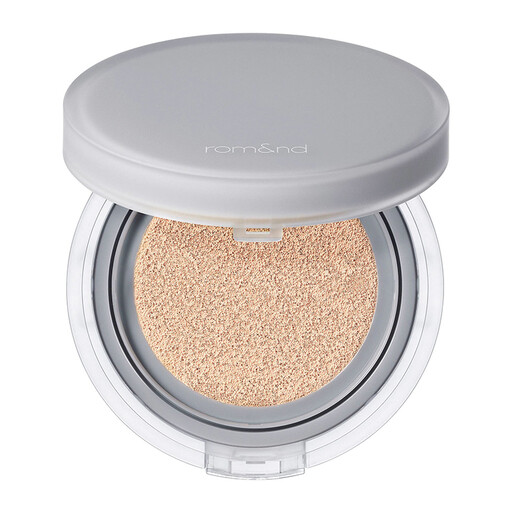
Why this product fits the profile: The very fair shade 01 Porcelain White 17 is aimed at those looking for a compact matte base for quick application. According to the product details, the formula offers buildable light to medium coverage.
The buildable coverage makes it easier to apply a thin layer rather than a heavy one straight away. The explicitly matte finish makes the expectation clearer.
Very fair shade, matte finish and light to medium buildable coverage.
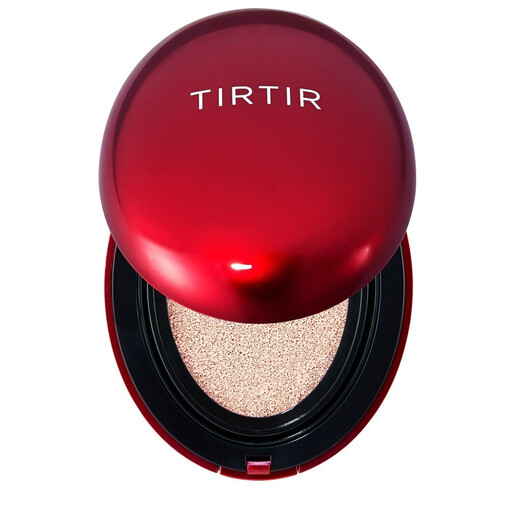
Why this product fits the profile: The 15C shade is described as suitable for very fair skin with a cool undertone. SPF40, buildable coverage and a radiant to natural finish combine several desirable features.
The shade, finish and SPF rating are described separately. This makes it easier to check whether each product feature suits your daily routine.
Very fair cool shade, SPF40 and buildable coverage with a radiant finish.
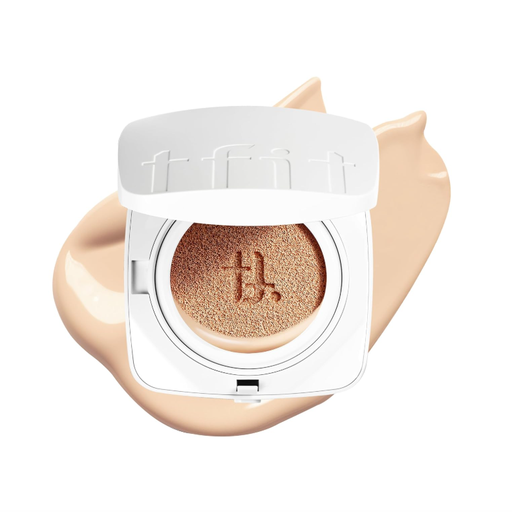
Why this product fits the profile: If you’re after a matte cushion foundation with stronger coverage and a stated SPF50+ PA++++, this one has a clearly defined profile. W01 Vanilla is listed for very fair to fair skin with a warm undertone.
The coverage, finish and sun protection details are clearly stated. Still, the SPF shouldn’t replace a separate sunscreen.
High coverage, matte finish and SPF50+ PA++++ according to the product details.
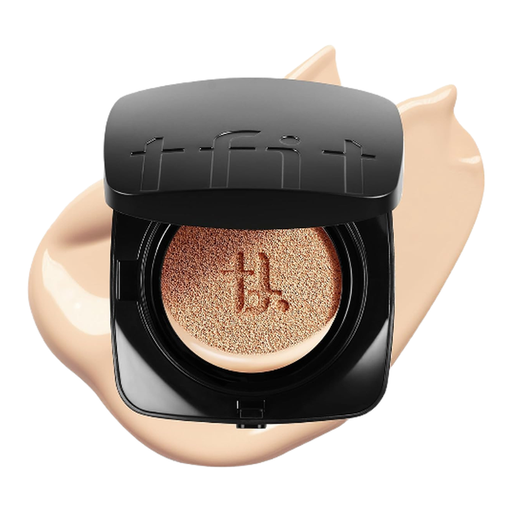
Why this product fits the profile: This glow foundation is aimed at those who prefer light, buildable coverage and a radiant finish for touch-ups throughout the day.
The coverage can be built up gradually. This lets you control the look without needing a heavy layer all over your face.
Light to buildable coverage, radiant finish and compact application on the go.
With a long-lasting foundation, a thin application can often help longevity, as there’s less product to move around. Skincare, primer, natural skin oils and climate also affect the result.
We’ve put together a full, regularly updated list of products that meet these strict selection criteria and comply with EU safety regulations.
The key factors are the PAO symbol on the packaging, the manufacturing date and how it’s stored. Many products, for example, carry a “12M” label, which indicates a recommended usage period of twelve months after opening. Check the smell, colour and consistency regularly. If anything changes, stop using the product.
Yes, as long as the finish and formula are a good match. A matte cushion foundation or a formula with stated oil or shine control can be more suitable for the T-zone. For dry cheeks, a lighter layer and targeted moisturising can help. Suitability still depends on your skin’s condition and individual tolerance.
The price depends on factors such as the brand, fill quantity, SPF, formulation and whether a refill is included. Don’t just compare the pack price – also look at the weight in grams and whether a refill is supplied. That way, you can better assess the actual product value.