
Lieferung heute & morgen

Qualitätsgarantie

Willkommens-Angebote freischalten: KOSTENLOSE Lieferung | Bis zu 80 % RABATT | Kostenlose 30-Tage-JoyPlus-Testphase
App herunterladen
A new cushion cover can transform the look of your sofa, bed or armchair without the need to replace all your furnishings. But buying the wrong one can lead to unnecessary expense: it may not fit your cushion pad, could be difficult to clean or might slip out of place during everyday use.
The following tips will help you look beyond the marketing claims and choose a cushion cover that suits your needs.
Measurements usually refer to the cover itself, not to any cushion size. A 45x45 cm cushion cover should be used with a suitably sized cushion pad. If the pad is too small, the cover may look baggy; if it’s significantly too large, it can put strain on the seams and zip.
Before you buy, compare the following:
Velvet, chenille, cotton and polyester differ in feel, appearance and care requirements. A velvet cushion cover may have a smooth surface that changes with the light, while a chenille cushion cover can look fuller thanks to its texture. A cotton cushion cover is often chosen for its natural fibres, but may need gentle cleaning depending on how it’s made.
“Easy-care” doesn’t automatically mean machine washable. Always follow the washing instructions on the label. Some styles can only be spot-cleaned with a damp cloth.
For a sofa cushion cover, the fastening, seam quality and ability to hold its shape are all important practical features. A zip makes it easier to remove the cover, while a textured surface can add visual interest. A non-slip cushion cover may be useful on a frequently used seat, but it won’t necessarily stay firmly in place. Even textured fabric can shift as you move.
The most popular sizes vary considerably in how they’re used:
A decorative cushion cover should fit with as few creases as possible. A cover may feel tight on a very plump cushion pad if the measurements are exactly the same. With softer fillings, though, a slightly more snug cover can create a more defined shape.
For everyday use in the living room, durable surfaces and clear care instructions are important. Chenille has a pronounced texture that creates a tactile look. Velvet tends to look more even, although its appearance can change with the light. Cotton and cotton blends are often used for breathable, fabric surfaces.
Always check the specific product details. If a style is described as “Velvet”, check whether the material is listed as velvet, polyester velvet or a blend.
A concealed zip makes it easier to put the cushion pad in and take it out. For washable styles, follow the recommended temperature, wash cycle and drying instructions. A washable cushion cover isn’t automatically suitable for high temperatures or tumble drying.
For delicate fabrics, these general guidelines are often helpful:
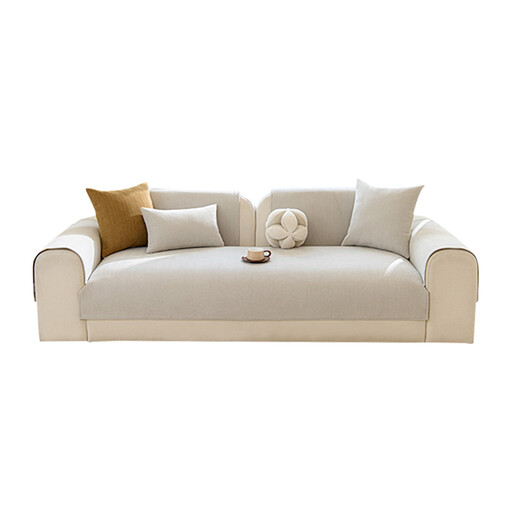
Why this product suits your needs: The oblong shape is ideal for lumbar and back cushions on a sofa or armchair. The beige colour works well with a range of interior styles.
The exact 30×50 cm measurements reduce the risk of buying the wrong size based on an unclear description. The care instructions recommend spot cleaning, with machine washing permitted if the label allows it.
Chenille surface with a herringbone pattern; rectangular shape and textured finish.
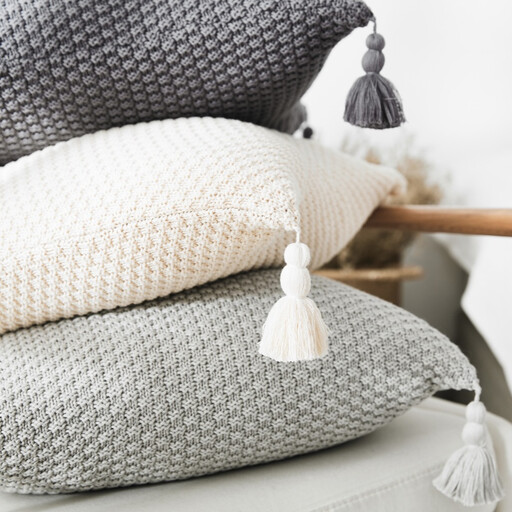
Why this product suits your needs: This design combines 100% cotton with a knitted surface, tassels and a concealed zip. It’s a good fit for living spaces where the material and finish matter most.
The material, size and fastening are clearly specified. The care instructions recommend hand washing or a gentle wash cycle below 30 °C.
100% cotton; 50×50 cm; OEKO-TEX STANDARD 100 according to the product details; concealed zip.
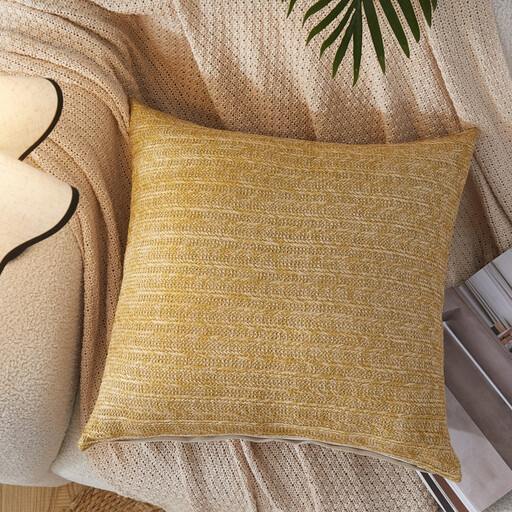
Why this product suits your needs: According to the product details, the surface is water-repellent and designed for easy-care use around the home. The 50×50 cm size is suitable for larger seat and decorative cushions.
The care requirements are clear: according to the product details, the cover must not be machine- or hand-washed and should instead be spot-cleaned.
Water-repellent PE front; polyester canvas back; concealed zip; herringbone texture.
We’ve put together a complete, regularly updated list of products that meet these strict selection criteria and the safety regulations in force in the EU.
A cover listed as 45×45 cm is generally designed for a cushion pad of the same size. The amount of filling, fabric stretch and fastening also matter. A very plump cushion may make the cover feel tighter than a flatter one.
Its lifespan depends on friction, sunlight, how often it’s washed and the material. A cover on a decorative cushion that’s rarely used will wear differently from a sofa cushion cover on a seat you use every day. Following the care label, keeping it away from sharp objects and choosing a cushion pad of the right size can help preserve its shape and surface for longer.
No. Care instructions vary depending on the material and how the cover is made. Some cotton, polyester or knitted covers can be put through a gentle wash cycle, while others should only be cleaned with a damp cloth. Before buying, check more than just whether it’s described as a “washable cushion cover”: look for the specific washing temperature and drying instructions.