Baking with a specific tart tin
If you’re following a particular recipe, your tin, oven shelf and heating mode all need to work together. Dr. Oetker’s example recipe shows that the stated temperature depends on the heating mode you choose.


Choose your oven based first on the size of your tart tin and how many batches you plan to bake. A countertop oven may be enough for suitable tins and smaller quantities, while a built-in oven could be a better option for baking several items, provided the space and stated use are right for you. Match the heating mode and temperature to your specific recipe. If you add the custard cream after baking, you’ll need to plan for chilling and transport separately from your choice of oven. Dr. Oetker’s example recipe specifies around 180 °C for conventional heat or 160 °C for a fan oven.
If you’re following a particular recipe, your tin, oven shelf and heating mode all need to work together. Dr. Oetker’s example recipe shows that the stated temperature depends on the heating mode you choose.
If you’re making several tarts or extra bakes, match the number of batches and usable oven shelves to your schedule. Having several shelf positions doesn’t automatically mean you can bake several tarts at once.
If you don’t have a suitable space for a built-in oven, a countertop model may be a better option. Check that its external dimensions and installation requirements suit the space available. For a built-in model, the dimensions of the housing space and the connection requirements for that specific model are crucial.
First, check that your tin will fit and that the heating mode suits your recipe. Then consider how much you need to bake, how much space you have and the ongoing effort involved.
| What matters to you | What to look for when buying | Who should pay particular attention |
|---|---|---|
| Tin size and heating mode | Check that the tin, including its rim and handles, fits the usable internal dimensions and oven shelf. Follow the recipe temperature for conventional heat or a fan oven; Dr. Oetker’s example temperatures apply to that recipe only. | If I want to use a particular tin and recipe, I’ll first check that both are suitable for the oven. Around 36% of consumers put the tin and the recipe’s heating mode first. |
| How much you need to bake | Compare your tins and accessories, along with any stated suitability for baking on multiple levels, against your baking plan. Siemens lists a fan oven for the HB534AER3/A6; whether it’s suitable for your tarts depends on the specific model and your baking plan. | If I need to have several tarts or extra bakes ready on time, the number of practical batches matters most. Around 29% of consumers prioritise quantity and timing. |
| Space and installation | For a built-in oven, check the housing dimensions and connection requirements for the exact model. For a countertop oven, check its external dimensions and installation instructions. | If worktop or housing space is limited, the oven needs to fit my kitchen without compromising the size of the tin I can use. Around 21% of consumers prioritise the space available for a countertop or built-in oven. |
| Energy use and cleaning | For ovens with an EU energy label, compare kWh per standard baking cycle on a like-for-like basis. Small and portable ovens fall outside the scope described by the European Commission. Check the model’s cleaning instructions. | If I bake often and want to keep maintenance to a minimum, I’ll consider comparable energy-use figures and cleaning as well as choosing the right size. Around 14% of consumers put running costs and maintenance first. |
The oven’s capacity alone won’t tell you whether your whole tart tin will fit on the shelf. Dr. Oetker’s example recipe uses a round tin with a diameter of 24 cm, but the internal dimensions and shelf area of a countertop oven may still be too small.
Measure the tin, including its rim and handles, and compare it with the usable interior and shelf of the specific oven.
Depending on the oven, you may need a smaller tin or to bake in additional batches.
Rommelsbacher lists four shelf positions for the BG 1805/E, but it comes with just one baking tray. This doesn’t mean you can bake four tarts at once.
Plan your batches around suitable tins, the accessories included and any stated suitability for baking on multiple levels.
Extra accessories and additional batches can take up time.
In the Dr. Oetker recipe reviewed, the custard cream is added after baking. An information sheet from Vorpommern-Greifswald district recommends suitable chilling for baked goods with custard filling that hasn’t been baked through. This is local guidance, not a general temperature rule for every cake sale.
Before planning how you’ll serve the tart, check the recipe, filling and chilling facilities separately from your choice of oven.
You may also need to arrange suitable chilling and refrigerated transport.
The European Commission excludes small and portable ovens from the scope of the EU energy label for household ovens. For labelled ovens, energy-use figures relate to standard baking cycles and don’t directly predict how much energy your tart will use.
Compare energy-use figures only when they’re based on the same test conditions, and consider how often you’ll actually use the oven.
Countertop ovens for baking and grilling, including larger models for baking with tins when you don’t have space for a built-in oven.
Built-in ovens for kitchens with a suitable housing space and plans for baking several batches.
Compact countertop ovens where the usable internal dimensions determine which tins will fit.
Built-in ovens are another option if you can match the housing dimensions and features to your kitchen and baking plans.
Countertop ovens in a range of sizes, including the documented larger TO 2058 model.
These Joybuy products range from built-in ovens to compact countertop and pizza ovens. For your tart, check the tin dimensions, heating mode and space available for each specific model.
 No image available
If you’re looking for a built-in oven with conventional heat to fit your kitchen, check the housing dimensions and installation requirements against the manufacturer’s instructions.
71 l capacity; conventional heat and 3D fan cooking, which the manufacturer says can be used on up to three levels; pyrolytic self-cleaning; AutoPilot 10; LED touch controls.
 No image available
If you’re considering a built-in oven with fan cooking for use on several levels, check the specifications against your baking plan and available housing space.
70 l; 10 functions; 3 kW; fan cooking and grill; product description states that it can be used on multiple levels; AquaClean steam cleaning.
 No image available
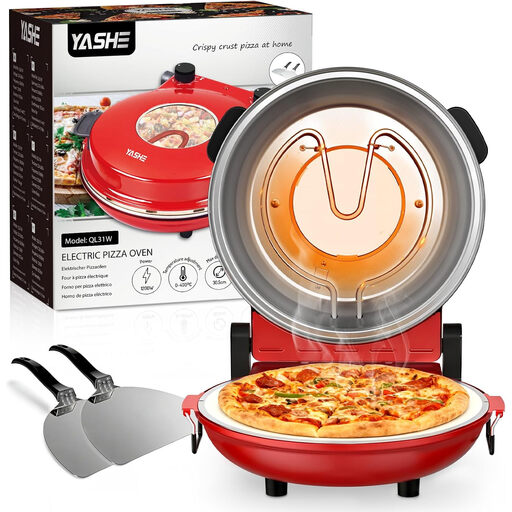
If you’re considering a countertop oven with top and bottom heat, check that your tart tin and recipe requirements suit the specific oven before buying.
30 cm ceramic stone; top and bottom heat; integrated timer; viewing window.
 No image available
If you’re looking for a countertop oven rather than a built-in model, check that your tin fits inside the usable cooking space and that the temperature suits your recipe.
32 l; 1,600 W; adjustable temperature range from 100 to 250 °C; timer; crumb tray.
 No image available
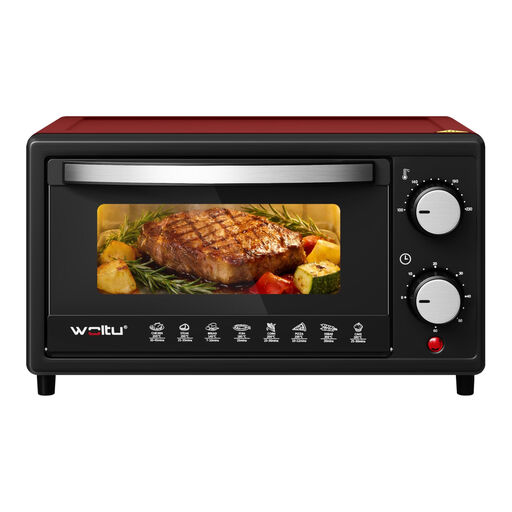
If you’re considering a particularly compact countertop oven, compare your tin’s dimensions with the interior before planning to use it for your recipe.
10 l; temperature range from 100 to 230 °C; top and bottom heat; pizza function.
Not in every recipe. In Dr. Oetker’s blueberry custard tart recipe, the shortcrust pastry base is baked first, then topped with custard cream made with milk. Follow the instructions for your specific recipe.
An information sheet from Vorpommern-Greifswald district, dated 10 June 2015, recommends suitable chilling for baked goods with custard filling that hasn’t been baked through, and specifies a fridge temperature of +7 °C. This is local guidance, not a general nationwide temperature requirement for every cake sale. The Federal Institute for Risk Assessment also notes that inadequate temperatures during transport and storage can allow pathogens to multiply.
First check whether your specific recipe contains raw egg. The Federal Institute for Risk Assessment gives heating eggs to a core temperature of at least 70 °C for at least two minutes as a guide; the oven temperature setting doesn’t prove that this core temperature has been reached.
There’s no blanket answer. The Baden-Württemberg consumer portal explains that occasional small-scale activities by private individuals may not count as the activities of a food business; frequency and level of organisation can affect how they’re classified. Check your specific situation with the organisation responsible or the relevant food safety authority.
For ovens with an EU energy label, compare the kWh figure per standard baking cycle on a like-for-like basis; it doesn’t tell you how much energy or money your recipe will use. Small and portable ovens fall outside the scope for household ovens described by the European Commission. For cleaning, follow the instructions for the specific model and check which parts can actually be removed.