
Lieferung heute & morgen

Qualitätsgarantie

Willkommens-Angebote freischalten: KOSTENLOSE Lieferung | Bis zu 80 % RABATT | Kostenlose 30-Tage-JoyPlus-Testphase
App herunterladen
Choosing a play doll for a child involves careful consideration of material composition, safety standards, and the intended play concept. A well-informed choice relies on objective criteria like age appropriateness, functionality, and overall build quality. This guide breaks down the technical aspects of different doll types to help you make a sound purchasing decision.
Before you decide, it's essential to analyse specific product features. These parameters determine not only the toy's longevity but also its suitability for your child.
The safety of a toy is of paramount importance. In the European Union, the EN 71 standard governs the safety requirements for toys. Look for products that explicitly display this conformity. Common materials for dolls for children include:
A doll's play concept defines its primary purpose. There is a fundamental distinction between different types:
The doll's size should be appropriate for the child's height and motor skills. Common sizes are 29 cm for fashion dolls and 43 cm for baby dolls. A doll with accessories offers expanded play opportunities right from the start. Check if additional accessories are available separately to extend the play value long-term.
The following products have been selected based on their technical specifications and specific play concepts.
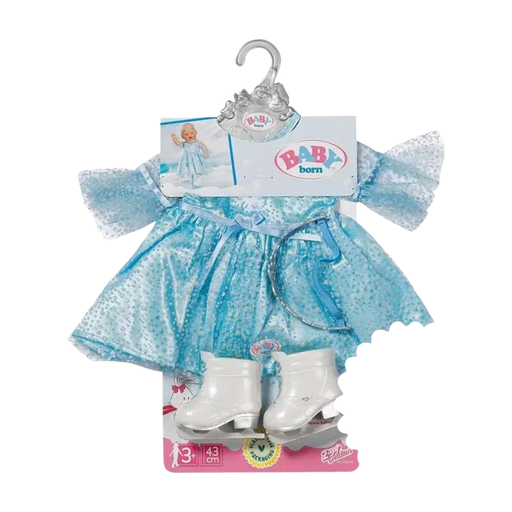
Why we recommend this product: This model combines the established functionality of the Baby Born line with the popular ice princess theme. The included ice skates and tiara facilitate thematically focused role-play. Compatibility with the wide range of Baby Born accessories ensures long-term playability.
Advantages (Pros):
Who it's for: This model is an excellent choice for children already familiar with the Baby Born system or who have a fondness for fairy tale and princess themes. It makes a great gift for girls and boys who enjoy stepping into imaginative roles.

Why we recommend this product: The mermaid doll from Baby Born stands out with a unique technical feature: a motion-activated, light-up tail fin. This interactive element creates a visual incentive and enhances the play experience, especially in water. The doll is designed for water play, though the battery compartment must be protected from complete submersion.
Advantages (Pros):
Who it's for: Ideal for children aged 3 and up who are fascinated by mythical creatures and appreciate interactive toys. The light-up feature provides an additional sensory stimulus.
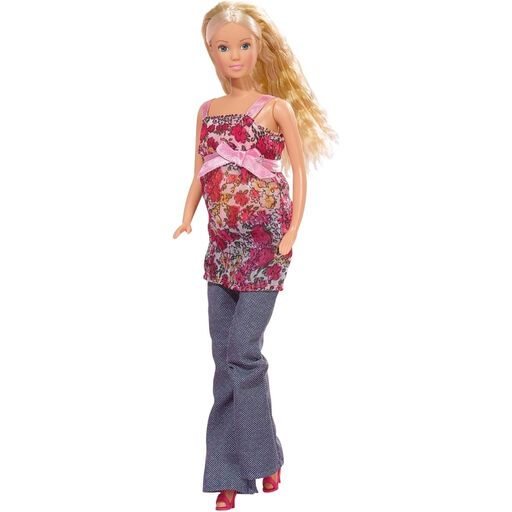
Why we recommend this product: This pregnant doll offers a unique play concept with educational value. The doll's stomach can be opened to remove or place a small baby inside. This allows children to explore the topics of pregnancy and birth in a playful way and encourages nurturing behaviour.
Advantages (Pros):
Who it's for: This model is suitable for children who are interested in the theme of family and babies, or as a way to prepare for the arrival of a new sibling. It is a role-playing toy that teaches empathy and care.
The models presented here cover specific play scenarios. For a broader overview of different concepts, brands, and accessory sets, exploring a more comprehensive product category may be useful. You can find a larger selection in our baby doll toys category.
1. From what age is a play doll appropriate? Suitability depends on the type of doll. Soft-bodied dolls without small parts are often suitable for children from 1 to 2 years old. Functional dolls and fashion dolls with small accessories are generally recommended for children aged 3 and up. Always observe the manufacturer's age recommendation on the packaging.
2. What materials are used for dolls and what should you look out for? Dolls are typically made from a combination of plastics (vinyl, PVC), textiles (polyester, cotton), and synthetic fibres for the hair. The crucial factor is compliance with the EU toy safety standard EN 71, which sets limits for chemical substances and tests mechanical safety aspects, such as the durability of small parts.
3. How do you properly clean a play doll and its accessories? Dolls with hard plastic bodies can usually be wiped down with a damp cloth and mild soap. Doll clothes should be treated according to the care label; hand washing is often recommended. For dolls with electronic functions, ensure that no moisture enters the battery or electronics compartment.
Authored by: Joybuy Product Recommendation Officer