
Lieferung heute & morgen

Qualitätsgarantie

Willkommens-Angebote freischalten: KOSTENLOSE Lieferung | Bis zu 80 % RABATT | Kostenlose 30-Tage-JoyPlus-Testphase
App herunterladen
Choosing a shower door is a decision driven by functional requirements and structural conditions. Material quality, construction type, and surface properties are the key parameters that define the durability and maintenance needs of a shower enclosure. This guide analyses the technical specifications of popular models to provide an informed basis for your new construction or renovation project.
A shower's functionality is significantly defined by the features of its enclosure. The following criteria are essential for making an evaluation.
Tempered safety glass is the standard for shower screens. This glass undergoes a thermal tempering process, which increases its impact and shock resistance compared to normal float glass. In the event of breakage, it shatters into small, blunt-edged pieces, reducing the risk of injury.
A nano-coating, often referred to as an "easy-clean coating," is a hydrophobic (water-repellent) seal on the glass surface. Water beads up and rolls off (the lotus effect), taking dirt and limescale particles with it.
Practical Benefits:
The choice of door type depends primarily on the available space and desired accessibility.
Based on an analysis of product specifications and design features, we present three models that cover a range of different requirements.
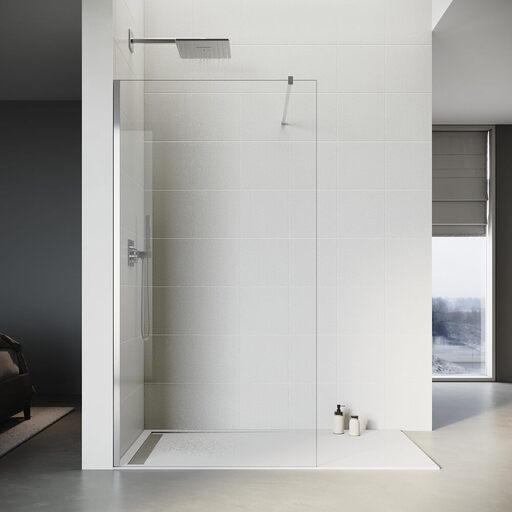
Why we recommend this product: This model combines generous dimensions of 1200 x 2000 mm with a solid 8 mm thick tempered safety glass. The included 100 cm stabiliser bar ensures high stability for the frameless design. The nano-coating addresses the need for low maintenance.
Advantages:
Who it's for: This product is suitable for homeowners and renovators looking to equip a spacious bathroom with a modern, open, and minimalist walk-in shower.
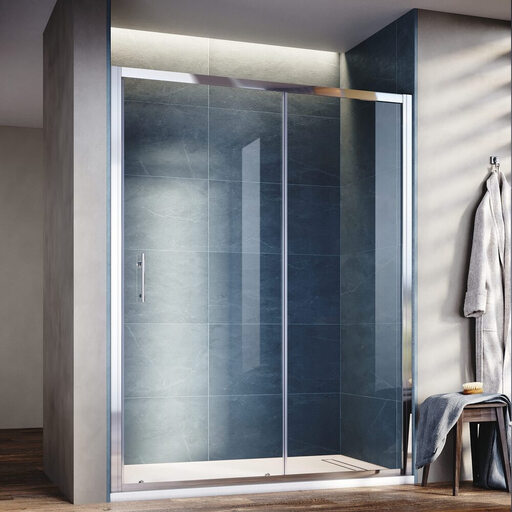
Why we recommend this product: The SL Series sliding shower door is a space-saving solution designed specifically for installation in alcoves or smaller bathrooms. With a glass thickness of 5 mm, it offers a reliable standard for a framed design. The sliding mechanism allows for convenient entry without taking up extra space in the bathroom.
Advantages:
Who it's for: This model is a pragmatic choice for bathrooms with limited space or for specifically outfitting an existing shower alcove.
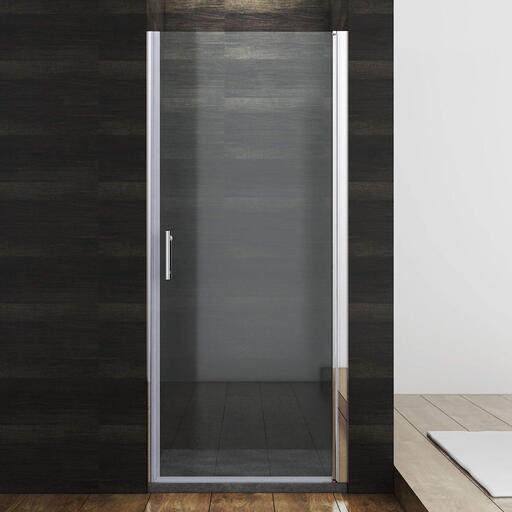
Why we recommend this product: This alcove door features an integrated rise-and-fall mechanism. This function protects the seals and ensures smooth door operation. The combination of 5 mm tempered safety glass with a nano-coating and an adjustment range of ±10 mm makes it a flexible and low-maintenance solution.
Advantages:
Who it's for: Ideal for users seeking a classic swing door for a shower alcove who also value technical details like the rise-and-fall mechanism and an easy-to-clean surface.
A bathroom renovation is often part of a larger home improvement project. If you are also modernising other areas of your home, consider complementary design elements like kitchen doors to create a cohesive overall look.
1. What does tempered safety glass mean for a shower door? Tempered safety glass is a thermally treated glass. This process gives it increased resistance to bending, impact, and shock. A key safety feature is how it breaks: it shatters into small, blunt-edged granules, which significantly reduces the risk of severe lacerations compared to normal glass.
2. How do you maintain a shower door with a nano-coating? To clean a glass shower screen with a nano-coating, simply rinsing with clear water and wiping with a squeegee is usually sufficient. If needed, a soft cloth with a mild, pH-neutral detergent can be used. Avoid using abrasive scouring agents or acidic cleaners, as these can damage the coating.
3. What glass thickness is recommended for a shower screen? The recommended glass thickness depends on the design. For fully framed doors, 5-6 mm is often sufficient. For semi-framed or large, frameless elements like a walk-in shower, 8-10 mm is recommended to ensure the necessary stability and torsional rigidity without a supporting frame.